
Decoding the Cajun Equation: Flavor Alchemy
The heart of Cajun cuisine is its depth of flavor, achieved through a Holy Trinity of ingredients (onions, bell peppers, and celery) and a symphony of spices. Let’s break down the science behind why each component is crucial for that authentic taste:- The Holy Trinity (Mirepoix’s Spicy Cousin): Sautéing these aromatic vegetables together creates a flavor base through a process called the Maillard reaction. This browning process develops complex, savory notes that form the foundation of the dish. The specific ratio of onion to bell pepper to celery also matters; too much of one can throw off the balance.
- Cajun Spice Blend: This is where things get interesting. Commercial blends often contain paprika, cayenne pepper, garlic powder, onion powder, black pepper, white pepper, oregano, and thyme. The proportions are key, and freshly ground spices will always offer a more vibrant flavor profile compared to pre-ground versions that have lost some of their volatile oils. Capsaicin in cayenne pepper binds to pain receptors, creating the sensation of heat.
- Sausage Selection: Not all sausages are created equal. Andouille sausage, with its smoky, spicy kick, is the traditional choice. However, other smoked sausages can work, but be mindful of their fat content. Too much fat can make the dish greasy, while too little can leave it dry.
- The Creamy Factor: Heavy cream is often used to create a rich sauce, but it needs to be handled carefully. Overheating can cause it to curdle. A better approach is to create a roux (equal parts fat and flour) to thicken the sauce, then temper the cream by slowly adding it to the hot mixture.
- Pasta Power: The type of pasta you choose matters. Tubular pasta like penne or rigatoni are ideal because they capture the sauce beautifully. Overcooked pasta becomes mushy and loses its textural appeal. Al dente, meaning “to the tooth,” is the goal.
The Ultimate Cajun Sausage Pasta Recipe
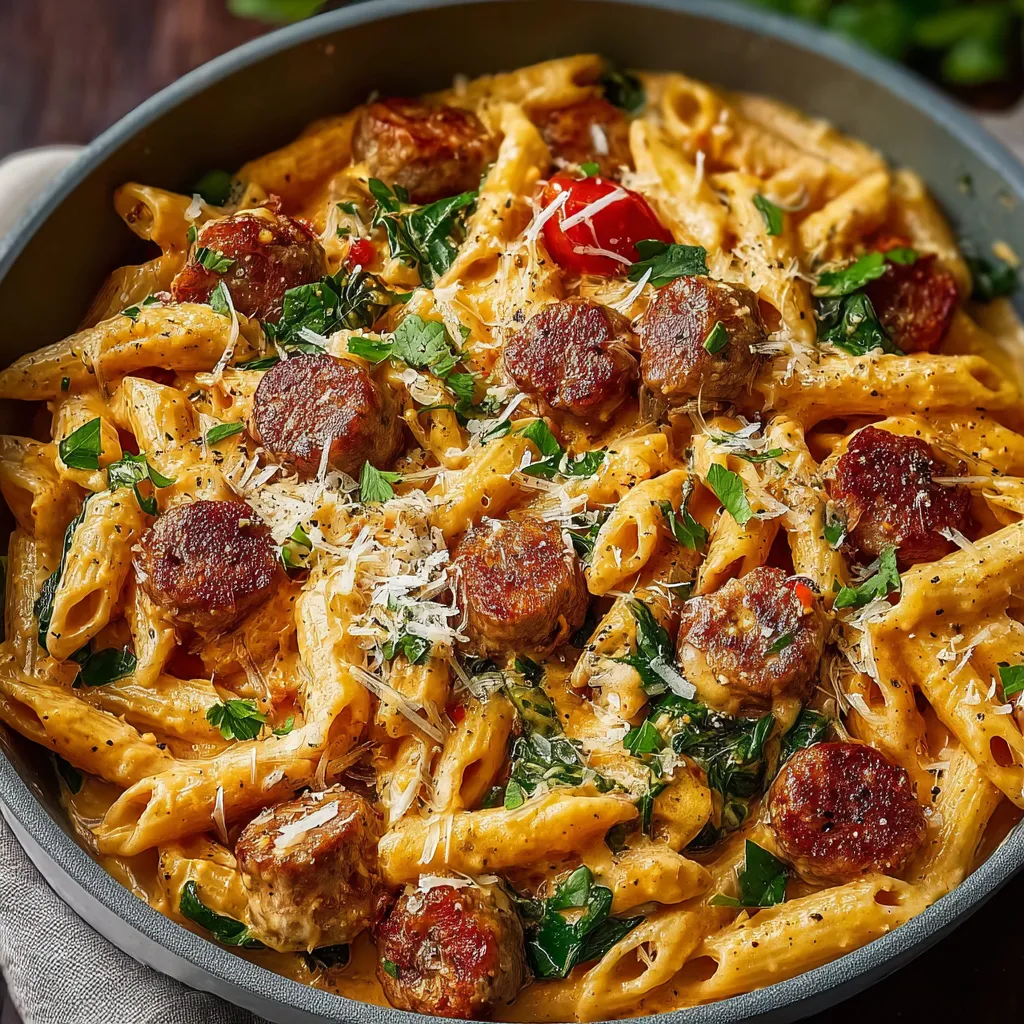
Ingredients:
- 1 pound penne pasta
- 1 tablespoon olive oil
- 1 pound Andouille sausage, sliced
- 1 medium onion, chopped
- 1 green bell pepper, chopped
- 2 celery stalks, chopped
- 2 cloves garlic, minced
- 2 tablespoons Cajun seasoning (see notes)
- 1/4 cup all-purpose flour
- 2 cups chicken broth
- 1 cup heavy cream
- 1/4 cup grated Parmesan cheese
- 2 tablespoons chopped fresh parsley
- Salt and pepper to taste
Instructions:
- Cook the pasta according to package directions until al dente. Drain and set aside.
- While the pasta is cooking, heat the olive oil in a large skillet or Dutch oven over medium heat. Add the sliced sausage and cook until browned, about 5-7 minutes. Remove the sausage from the skillet and set aside.
- Add the chopped onion, bell pepper, and celery to the skillet and cook until softened, about 5-7 minutes. Add the minced garlic and cook for another minute until fragrant.
- Stir in the Cajun seasoning and flour. Cook for 1-2 minutes, stirring constantly, to create a roux.
- Gradually whisk in the chicken broth, making sure to scrape up any browned bits from the bottom of the skillet. Bring to a simmer and cook until the sauce has thickened slightly, about 5-7 minutes.
- Reduce the heat to low and stir in the heavy cream and Parmesan cheese. Season with salt and pepper to taste.
- Add the cooked pasta and sausage to the skillet and toss to coat.
- Garnish with chopped fresh parsley and serve immediately.
Recipe Notes:
- For a spicier dish, add a pinch of cayenne pepper to the Cajun seasoning.
- If you don’t have Andouille sausage, you can use another type of smoked sausage, such as kielbasa or chorizo.
- You can also add other vegetables to the dish, such as mushrooms, zucchini, or spinach.
- Consider serving with a side of garlic bread or a Garlic Parmesan Chicken Pasta for a hearty meal.
- For a different flavor profile, try this recipe using ground beef and a packet of taco seasoning. You can also add in some black beans and corn for extra flavor and texture. This is similar to a Taco Pasta, but the ground beef and taco seasoning give it a unique taste.
The Investigation: My Cajun Culinary Odyssey
The Initial Flameout: Too Much, Too Little
My first few attempts were a disaster. Like many of you, I initially thought Cajun cuisine was all about dumping in as much spice as possible. I overloaded the dish with cayenne pepper, resulting in a fiery inferno that masked all other flavors. Then, I swung too far in the opposite direction, afraid of the heat, and ended up with a bland, lifeless pasta dish. The sausage was either too greasy or too dry. It seemed I was destined to eat flavorless pasta forever.The Roux Awakening: A Thickening Revelation
Then, I had an “Aha!” moment while reading about classic French sauces. I realized the importance of a well-made roux for thickening the sauce and adding depth of flavor. My first roux was a gummy mess, but with practice, I learned the crucial technique of cooking the flour and fat together until it reaches a pale golden color, releasing its nutty aroma. This completely transformed the texture and consistency of the sauce, preventing the cream from separating.Sausage Saga: Finding the Perfect Bite
The sausage selection was another hurdle. Initially, I used just any smoked sausage. The dish was edible, but it lacked the characteristic Cajun kick. Switching to Andouille sausage made a world of difference, but I quickly learned that quality matters. Some Andouille sausages are packed with filler and lack the smoky, spicy flavor I was looking for. I experimented with different brands and even tried making my own, eventually finding one that delivered the perfect balance of flavor and texture. It reminded me of the time I tried to perfect a Philly Cheese Steak Pasta. The right cheese made all the difference.Spice is Nice (in Moderation): Mastering the Cajun Blend
The spice blend was another area where I refined my approach. Pre-made Cajun seasoning can be convenient, but I found that it often lacked the freshness and complexity of homemade blends. I started experimenting with different combinations of paprika, cayenne pepper, garlic powder, onion powder, black pepper, white pepper, oregano, and thyme, adjusting the proportions until I achieved the perfect level of heat and flavor. Fresh herbs really brought the whole dish together. I also tried a version of this dish that used chicken, and it reminded me of the Cajun Chicken Pasta I made last year.The Pasta Predicament: Texture Triumphs
Finally, I focused on the pasta itself. Overcooked pasta can ruin any dish, no matter how flavorful the sauce. I learned to cook the pasta al dente, which means “to the tooth” in Italian. It should be firm but not hard, offering a pleasant chewiness that complements the creamy sauce. I also found that tubular pasta like penne or rigatoni worked best because they capture the sauce beautifully. I even considered making a Crockpot Taco Pasta one night, but decided against it.The Foolproof Formula: Mastering Cajun Sausage Pasta
To create truly exceptional Cajun Sausage Pasta every time, follow these steps:- Bloom the Aromatics: Sauté the Holy Trinity (onion, bell pepper, celery) until softened and fragrant to build a flavorful base.
- Craft a Golden Roux: Cook equal parts fat and flour until pale golden to thicken the sauce and prevent curdling.
- Spice Wisely: Use a balanced Cajun spice blend, adjusting the heat to your preference. Freshly ground spices are best.
- Sausage Savvy: Choose a high-quality Andouille sausage with a smoky, spicy kick.
- Cream Carefully: Temper the heavy cream by slowly adding it to the hot sauce to prevent curdling.
- Al Dente Always: Cook the pasta al dente for the perfect textural contrast.
- Parsley Power: Garnish with fresh parsley to brighten the flavors and add a touch of freshness.
What is the ‘Holy Trinity’ in Cajun cooking and why is it important?
The ‘Holy Trinity’ consists of onions, bell peppers, and celery. Sautéing these vegetables together creates a flavorful base through the Maillard reaction, developing complex, savory notes essential for an authentic Cajun taste. The ratio of each vegetable also matters.
Why is it important to create a roux when making Cajun Sausage Pasta?
A roux (equal parts fat and flour) thickens the sauce and adds depth of flavor. It also helps prevent the heavy cream from curdling by stabilizing the sauce.
What type of sausage is traditionally used in Cajun Sausage Pasta, and what should I consider when choosing a sausage?
Andouille sausage is the traditional choice due to its smoky, spicy kick. When selecting a sausage, consider its fat content. Too much fat can make the dish greasy, while too little can make it dry. Quality is also important, as some Andouille sausages may contain fillers and lack flavor.
What does ‘al dente’ mean in the context of cooking pasta, and why is it important for this dish?
‘Al dente’ means ‘to the tooth’ in Italian. The pasta should be firm but not hard, offering a pleasant chewiness. Cooking pasta al dente prevents it from becoming mushy and losing its textural appeal, which complements the creamy sauce.
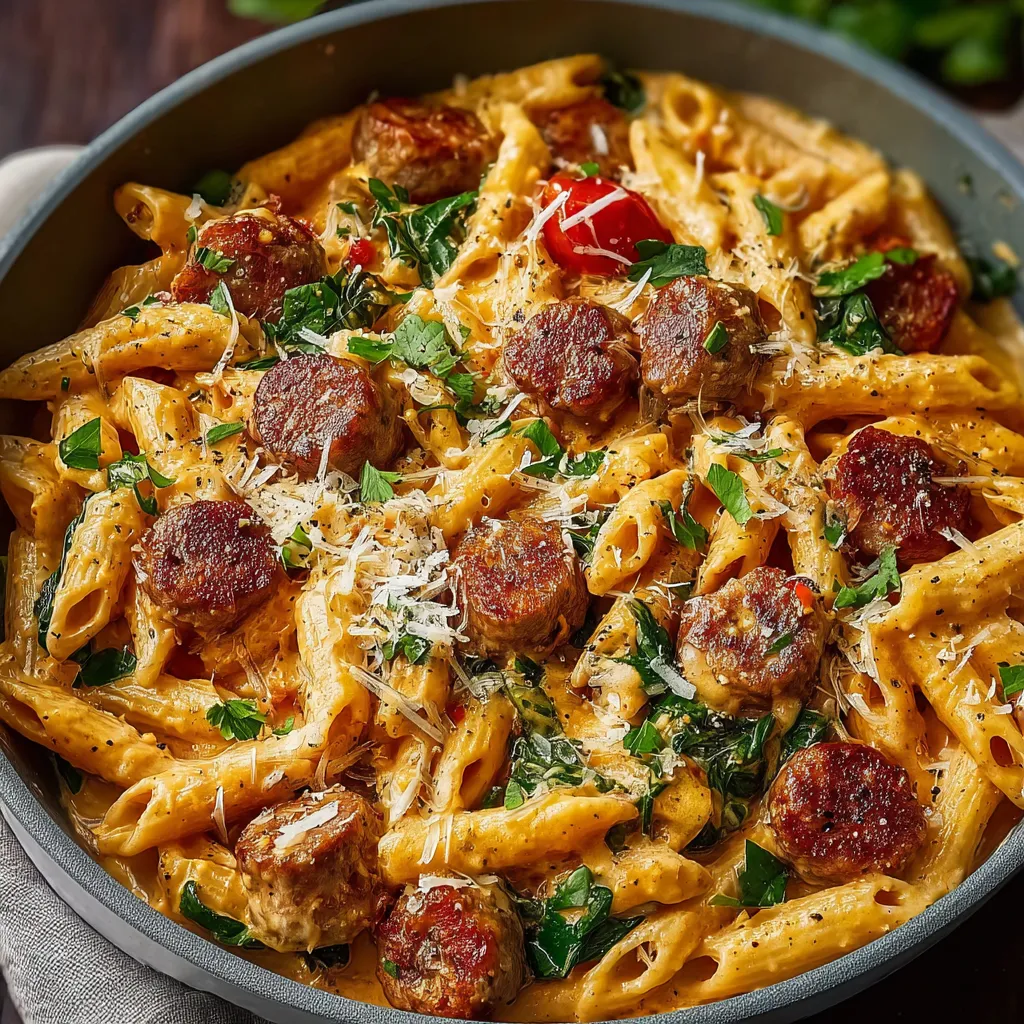
Easy Cajun Sausage Pasta
Ingredients
Equipment
Method
- Cook the pasta according to package directions until al dente. Drain and set aside.
- While the pasta is cooking, heat the olive oil in a large skillet or Dutch oven over medium heat. Add the sliced sausage and cook until browned, about 5-7 minutes. Remove the sausage from the skillet and set aside.
- Add the chopped onion, bell pepper, and celery to the skillet and cook until softened, about 5-7 minutes. Add the minced garlic and cook for another minute until fragrant.
- Stir in the Cajun seasoning and flour. Cook for 1-2 minutes, stirring constantly, to create a roux.
- Gradually whisk in the chicken broth, making sure to scrape up any browned bits from the bottom of the skillet. Bring to a simmer and cook until the sauce has thickened slightly, about 5-7 minutes.
- Reduce the heat to low and stir in the heavy cream and Parmesan cheese. Season with salt and pepper to taste.
- Add the cooked pasta and sausage to the skillet and toss to coat.
- Garnish with chopped fresh parsley and serve immediately.