
The Alchemy of Flavor: Unveiling the Secrets Behind the Skillet
Before we dive into the recipe, it’s crucial to understand the science behind what makes this dish so irresistible. At its core, the Texas Roadhouse Butter Chicken Skillet relies on a few key principles: the Maillard reaction, emulsion stability, and flavor layering. The Maillard reaction, that magical browning process that occurs when proteins and sugars are heated, is what gives the chicken its rich, savory crust. Emulsion stability is vital for the buttery sauce; we need to prevent it from separating into an oily mess. Finally, flavor layering means building upon a base of aromatic spices to create a complex and satisfying taste. Understanding these concepts is paramount to achieving a restaurant-quality result at home.The Ultimate Texas Roadhouse Butter Chicken Skillet Recipe
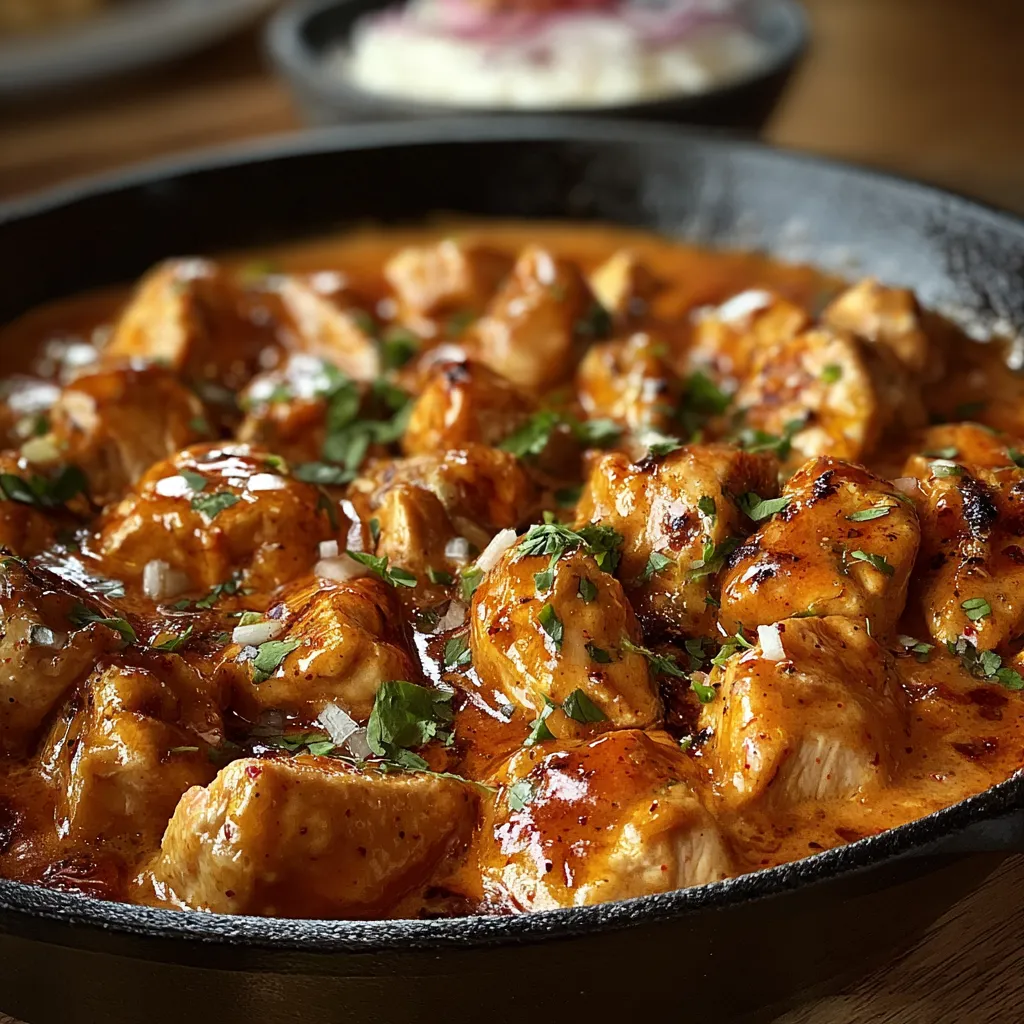 Here’s a detailed recipe, meticulously crafted to replicate the beloved dish:
Ingredients:
- For the Chicken:
- 1.5 lbs boneless, skinless chicken breasts, cut into 1-inch cubes
- 1 tbsp olive oil
- 1 tsp paprika
- 1/2 tsp garlic powder
- 1/4 tsp cayenne pepper (optional, for a kick)
- Salt and pepper to taste
- For the Sauce:
- 4 tbsp butter, unsalted
- 1 medium yellow onion, finely chopped
- 2 cloves garlic, minced
- 1 inch ginger, grated
- 1 (14.5 oz) can crushed tomatoes
- 1 cup heavy cream
- 1/2 cup chicken broth
- 2 tbsp tomato paste
- 1 tbsp brown sugar
- 1 tsp garam masala
- 1/2 tsp turmeric powder
- 1/4 tsp cumin powder
- Salt and pepper to taste
- For the Skillet:
- 1 tbsp olive oil
- 1 bell pepper (any color), sliced
- 1/2 red onion, sliced
- Fresh cilantro, chopped (for garnish)
Instructions:
- Prepare the Chicken: In a bowl, toss the chicken cubes with olive oil, paprika, garlic powder, cayenne pepper (if using), salt, and pepper. Ensure the chicken is evenly coated.
- Sear the Chicken: Heat 1 tbsp of olive oil in a large skillet over medium-high heat. Add the chicken and sear on all sides until golden brown and cooked through. Remove the chicken from the skillet and set aside.
- Sauté the Aromatics: In the same skillet, melt the butter over medium heat. Add the chopped onion and cook until softened and translucent, about 5-7 minutes. Add the minced garlic and grated ginger and cook for another minute until fragrant.
- Build the Sauce: Stir in the crushed tomatoes, heavy cream, chicken broth, tomato paste, brown sugar, garam masala, turmeric powder, and cumin powder. Season with salt and pepper to taste. Bring the sauce to a simmer and cook for 10-15 minutes, stirring occasionally, until it thickens slightly.
- Combine and Simmer: Return the seared chicken to the skillet with the sauce. Stir to coat the chicken evenly. Reduce the heat to low, cover, and simmer for another 10 minutes, allowing the flavors to meld together.
- Prepare the Skillet Vegetables: While the chicken simmers, heat 1 tbsp of olive oil in a separate skillet over medium-high heat. Add the sliced bell pepper and red onion. Sauté until tender-crisp, about 5-7 minutes.
- Assemble the Skillet: Arrange the sautéed bell peppers and red onion in the bottom of a cast iron skillet (or any oven-safe skillet). Pour the butter chicken mixture over the vegetables.
- Bake (Optional): For an extra layer of flavor, you can bake the assembled skillet in a preheated oven at 350°F (175°C) for 10-15 minutes. This step is optional but helps to further meld the flavors.
- Garnish and Serve: Garnish with fresh chopped cilantro. Serve hot, preferably with rice, naan bread, or Texas Roadhouse rolls.
Diary of a Butter Chicken Detective: My Skillet Saga
My first few attempts were a disaster. The sauce either separated, leaving a pool of oil, or it tasted bland and lacked that signature Texas Roadhouse sweetness. Then, I had an “Aha!” moment. I realized the key wasn’t just the ingredients but also the *order* in which they were added and the *temperature* at which they were cooked. Like many of you, I initially thought more butter equaled better flavor, but I quickly learned that too much fat, without proper emulsification, leads to a greasy mess.The Great Tomato Paste Revelation
Initially, I underestimated the importance of tomato paste. I thought, “Oh, it’s just for color,” but boy, was I wrong! It wasn’t just about the visual appeal. Tomato paste adds a concentrated umami richness and helps to thicken the sauce. When I increased the amount of tomato paste and allowed it to caramelize slightly with the onions and garlic, the flavor depth skyrocketed.The Garam Masala Gamble
Garam masala is a blend of ground spices, and its composition varies wildly depending on the brand. My first garam masala was… underwhelming. It tasted like vaguely spiced dust. Then, I switched to a higher-quality, freshly ground garam masala, and the difference was night and day. The aroma alone was intoxicating! This highlighted the importance of using fresh, high-quality spices.Heavy Cream vs. Half-and-Half: The Creaminess Conundrum
I experimented with different levels of richness. Using half-and-half resulted in a thinner, less decadent sauce. Heavy cream provided the luxurious, velvety texture that I was aiming for. I also discovered that gently simmering the sauce after adding the cream helped to thicken it without causing it to curdle. A valuable lesson learned!The Foolproof Method: A Step-by-Step Guide to Skillet Success
After countless iterations, I’ve distilled the process into a simple, foolproof method:- Marinate Smartly: Don’t skip the marinating step. Even a short 30-minute marinade will infuse the chicken with flavor.
- Sear with Confidence: High heat is your friend when searing the chicken. Aim for a golden-brown crust to maximize the Maillard reaction.
- Bloom the Spices: Gently sautéing the spices in butter releases their aroma and flavor, creating a richer base for the sauce.
- Simmer, Don’t Boil: Overheating the sauce can cause it to separate. Maintain a gentle simmer throughout the cooking process.
- Taste and Adjust: Seasoning is subjective. Taste the sauce frequently and adjust the salt, sugar, and spices to your liking.
- Vegetable Prep: Don’t overcook your skillet vegetables. Aim for tender-crisp to provide a contrasting texture to the creamy chicken.
- Don’t Rush: Allow the flavors to meld together by simmering the chicken in the sauce for at least 10 minutes.
- Garnish Generously: Fresh cilantro adds a vibrant burst of freshness that complements the richness of the dish.
What are the key principles that make the Texas Roadhouse Butter Chicken Skillet so delicious?
The dish relies on the Maillard reaction (browning of the chicken), emulsion stability (preventing the sauce from separating), and flavor layering (building upon aromatic spices).
Why is tomato paste important in the sauce, and what does it contribute?
Tomato paste adds a concentrated umami richness to the sauce and helps to thicken it. Caramelizing it with the onions and garlic further enhances the flavor depth.
What’s the best way to sear the chicken for this recipe?
Sear the chicken in a skillet over medium-high heat until golden brown and cooked through. This maximizes the Maillard reaction, creating a rich, savory crust.
Why is it important to simmer the sauce instead of boiling it?
Overheating the sauce can cause it to separate. Maintaining a gentle simmer throughout the cooking process helps to prevent this and allows the flavors to meld together properly.
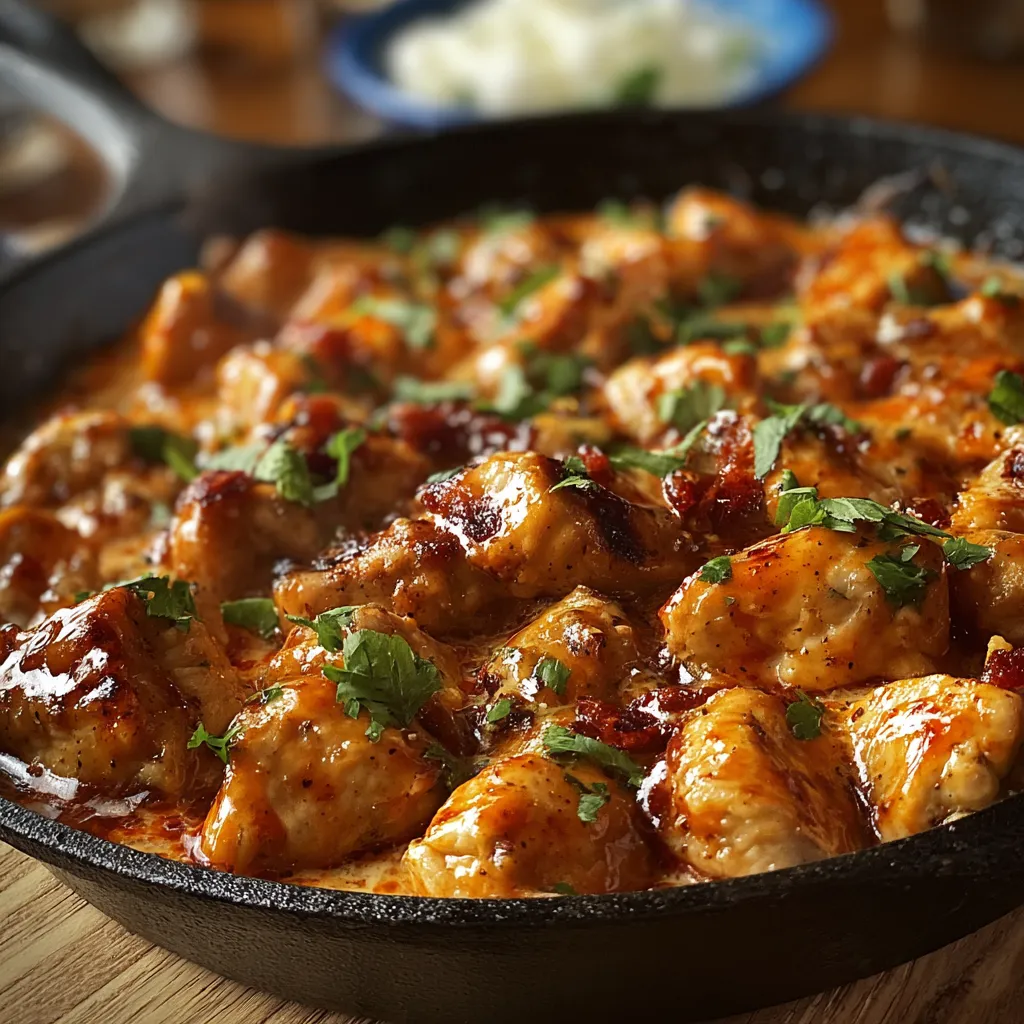
Texas Roadhouse Butter Chicken Skillet Amazing
This recipe recreates the beloved Texas Roadhouse Butter Chicken Skillet at home. It features tender chicken in a creamy, savory, and slightly sweet sauce, served over sautéed vegetables for a delicious and satisfying meal.
Ingredients
Equipment
Method
- Prepare the Chicken: In a bowl, toss the chicken cubes with olive oil, paprika, garlic powder, cayenne pepper (if using), salt, and pepper. Ensure the chicken is evenly coated.
- Sear the Chicken: Heat 1 tbsp of olive oil in a large skillet over medium-high heat. Add the chicken and sear on all sides until golden brown and cooked through. Remove the chicken from the skillet and set aside.
- Sauté the Aromatics: In the same skillet, melt the butter over medium heat. Add the chopped onion and cook until softened and translucent, about 5-7 minutes. Add the minced garlic and grated ginger and cook for another minute until fragrant.
- Build the Sauce: Stir in the crushed tomatoes, heavy cream, chicken broth, tomato paste, brown sugar, garam masala, turmeric powder, and cumin powder. Season with salt and pepper to taste. Bring the sauce to a simmer and cook for 10-15 minutes, stirring occasionally, until it thickens slightly.
- Combine and Simmer: Return the seared chicken to the skillet with the sauce. Stir to coat the chicken evenly. Reduce the heat to low, cover, and simmer for another 10 minutes, allowing the flavors to meld together.
- Prepare the Skillet Vegetables: While the chicken simmers, heat 1 tbsp of olive oil in a separate skillet over medium-high heat. Add the sliced bell pepper and red onion. Sauté until tender-crisp, about 5-7 minutes.
- Assemble the Skillet: Arrange the sautéed bell peppers and red onion in the bottom of a cast iron skillet (or any oven-safe skillet). Pour the butter chicken mixture over the vegetables.
- Bake (Optional): For an extra layer of flavor, you can bake the assembled skillet in a preheated oven at 350°F (175°C) for 10-15 minutes. This step is optional but helps to further meld the flavors.
- Garnish and Serve: Garnish with fresh chopped cilantro. Serve hot, preferably with rice, naan bread, or Texas Roadhouse rolls.
Notes
For a richer flavor, use freshly ground garam masala. Taste the sauce frequently and adjust the salt, sugar, and spices to your liking. Marinating the chicken for at least 30 minutes before cooking will enhance the flavor. Simmer, don’t boil, the sauce to prevent separation. Store leftovers in an airtight container in the refrigerator for up to 3 days.