
Decoding the Creamy Dream: The Science Behind the Sauce
The secret to a truly exceptional creamy garlic tomato pasta sauce lies in understanding emulsion and acidity. Tomato sauce is inherently acidic, thanks to citric and malic acids. Cream, on the other hand, is a delicate emulsion of fat and water. When you introduce high heat or excessive acidity, the cream’s proteins can coagulate, and the emulsion breaks, leading to a curdled, separated sauce. Garlic, when cooked, contributes its own flavor compounds that can either complement or clash with the other ingredients depending on the cooking method. Therefore, controlling the temperature, acid levels, and the order in which you add ingredients is paramount. We also need to consider the role of starch from the pasta water. This starchy water acts as a natural binder, helping to emulsify the sauce and create that luscious, clingy texture we all crave.The Creamy Garlic Tomato Pasta Recipe: A Culinary Blueprint
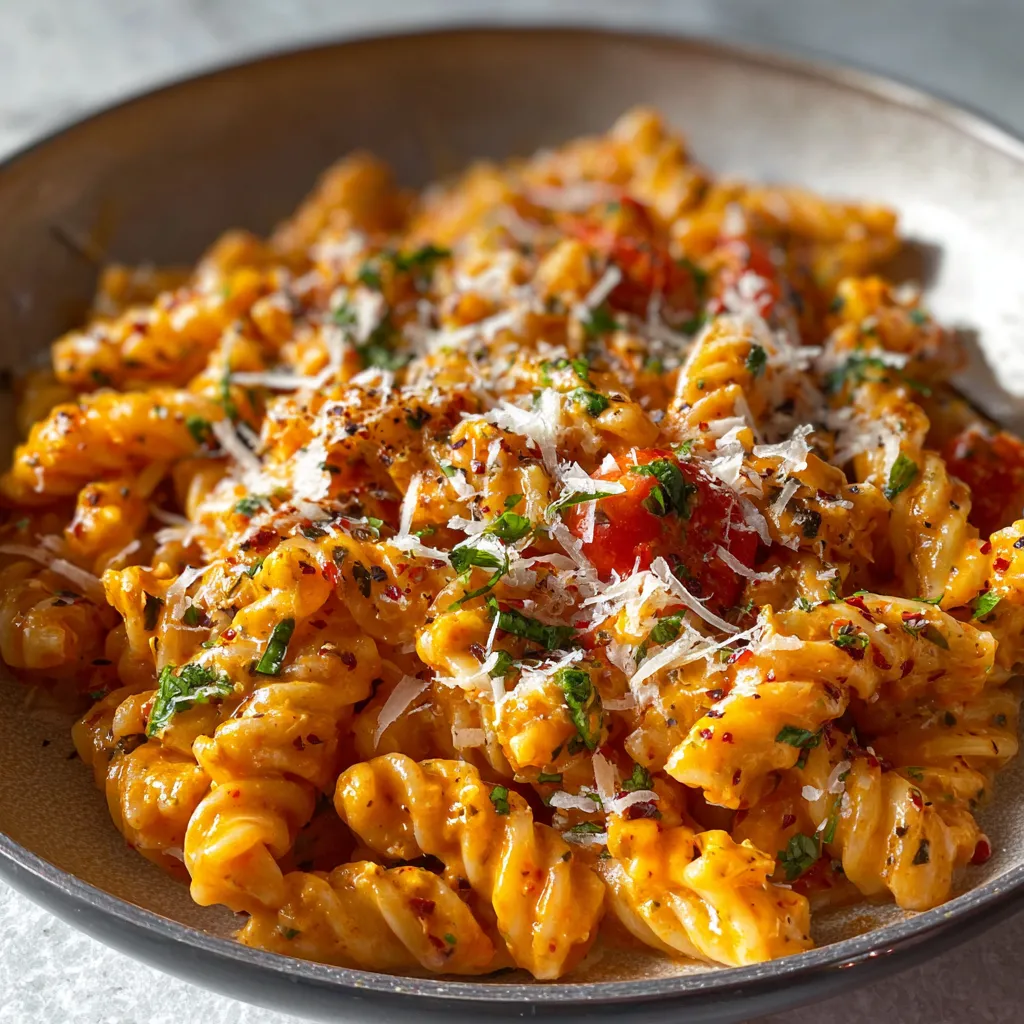 Here’s a detailed recipe that incorporates the scientific principles we discussed to create a consistently delicious creamy garlic tomato pasta.
Ingredients:
- 1 pound pasta (spaghetti, fettuccine, or penne work well)
- 2 tablespoons olive oil
- 4 cloves garlic, minced
- 1/4 teaspoon red pepper flakes (optional)
- 1 (28 ounce) can crushed tomatoes
- 1/2 cup dry white wine (optional, but adds depth)
- 1/2 cup heavy cream
- 1/4 cup grated Parmesan cheese, plus more for serving
- 1/4 cup chopped fresh basil, plus more for garnish
- Salt and freshly ground black pepper to taste
- 1/2 cup reserved pasta water
Instructions:
- Cook the Pasta: Bring a large pot of salted water to a boil. Add the pasta and cook according to package directions until al dente. Reserve about 1/2 cup of pasta water before draining.
- Sauté the Garlic: While the pasta is cooking, heat the olive oil in a large skillet over medium heat. Add the minced garlic and red pepper flakes (if using) and cook until fragrant, about 1-2 minutes. Be careful not to burn the garlic; burnt garlic tastes bitter.
- Simmer the Tomato Sauce: Pour in the crushed tomatoes and white wine (if using). Bring to a simmer and cook for 10-15 minutes, stirring occasionally, to allow the sauce to thicken slightly and the flavors to meld. This step is crucial for reducing the acidity of the tomatoes.
- Create the Creamy Magic: Reduce the heat to low. Gently stir in the heavy cream and Parmesan cheese. Simmer for another 2-3 minutes, stirring constantly, until the cheese is melted and the sauce is smooth. Do not boil the sauce after adding the cream, or it may curdle.
- Combine and Conquer: Add the drained pasta to the skillet and toss to coat. If the sauce is too thick, add a little of the reserved pasta water until it reaches your desired consistency.
- Serve and Savor: Season with salt and pepper to taste. Garnish with fresh basil and additional Parmesan cheese. Serve immediately.
The Investigation: My Creamy Garlic Tomato Pasta Odyssey
My journey to perfecting creamy garlic tomato pasta was far from smooth. My first few attempts were a disaster – either the sauce separated into an oily mess, or the garlic was burnt and bitter, or the flavors were simply bland and underwhelming. Like many of you, I initially thought it was just a matter of throwing ingredients together. I was wrong.The Great Separation: A Creamy Catastrophe
Initially, I would add the cream directly to the hot tomato sauce, resulting in a curdled, unappetizing texture. I also wasn’t reducing the acidity of the tomatoes enough, further contributing to the cream’s breakdown. This was my first major hurdle. I realized I needed to approach the cream addition with more care.Burnt Offerings: The Garlic Gamble
Another common issue was burning the garlic. I was using too high of heat and not paying close enough attention. The result was a bitter, acrid flavor that permeated the entire dish. I learned that lower heat and constant stirring are essential for achieving that sweet, aromatic garlic flavor. I now consider the Spaghetti Garlic Bread Bowls recipe a useful guide on how to cook garlic.The “Aha!” Moment: Pasta Water to the Rescue
Then, I had an “Aha!” moment. I recalled reading about the importance of pasta water in Italian cooking. I started reserving some of the starchy water and adding it to the sauce. The transformation was remarkable! The pasta water acted as a natural emulsifier, binding the sauce together and creating a luxuriously creamy texture. It also helped to thin the sauce to the perfect consistency, allowing it to cling beautifully to the pasta. This was a game changer. It also taught me that adding some Creamy Garlic Parmesan Chicken Pasta to a future dinner rotation would be a good idea.Wine’s Wonders: Adding Depth
I experimented with adding a splash of dry white wine to the tomato sauce while it simmered. The wine added a layer of complexity and depth of flavor that I hadn’t achieved before. The alcohol evaporated during cooking, leaving behind a subtle fruity aroma and a slight tang that balanced the sweetness of the tomatoes. This addition elevated the dish from good to great. Thinking about this sauce makes me want to also whip up some Garlic Parmesan Chicken Pasta.The Technique: The Foolproof Method
Based on my culinary investigation, here’s the foolproof method for achieving creamy garlic tomato pasta perfection:- Gentle Garlic: Sauté minced garlic in olive oil over medium-low heat until fragrant but not browned. Aim for a golden hue, not dark brown.
- Acid Taming: Simmer the tomato sauce for at least 10-15 minutes to reduce acidity before adding the cream. Consider adding a touch of sweetness (a pinch of sugar or a splash of balsamic vinegar) to further balance the acidity.
- Tempered Cream: Reduce the heat to low before adding the cream. Avoid boiling the sauce after adding the cream to prevent curdling. You can also temper the cream by stirring in a spoonful of the hot tomato sauce before adding it to the entire batch.
- Pasta Water Power: Reserve about 1/2 cup of pasta water before draining the pasta. Add it gradually to the sauce to adjust the consistency and create a creamy emulsion.
- Cheese Considerations: Use freshly grated Parmesan cheese for the best flavor and melting properties. Stir it in gently and slowly to avoid clumping.
Why does the cream sometimes curdle when added to tomato sauce?
Tomato sauce is acidic, and cream is a delicate emulsion of fat and water. High heat or excessive acidity can cause the cream’s proteins to coagulate, breaking the emulsion and resulting in a curdled sauce. Simmering the tomato sauce first helps reduce acidity, and adding the cream on low heat prevents curdling.
What is the purpose of reserving pasta water in this recipe?
The reserved pasta water is starchy and acts as a natural emulsifier. Adding it to the sauce helps bind the sauce together, creating a luxuriously creamy texture and allowing it to cling better to the pasta. It also helps to adjust the consistency of the sauce.
How do you prevent the garlic from burning and becoming bitter?
Sauté the minced garlic in olive oil over medium-low heat. Constant stirring is key, and you should aim for a golden hue, not dark brown. Burnt garlic has a bitter, acrid flavor that can ruin the dish.
Is the white wine essential for the recipe, and what does it add to the dish?
The white wine is optional, but it adds a layer of complexity and depth of flavor to the tomato sauce. The alcohol evaporates during cooking, leaving behind a subtle fruity aroma and a slight tang that balances the sweetness of the tomatoes.
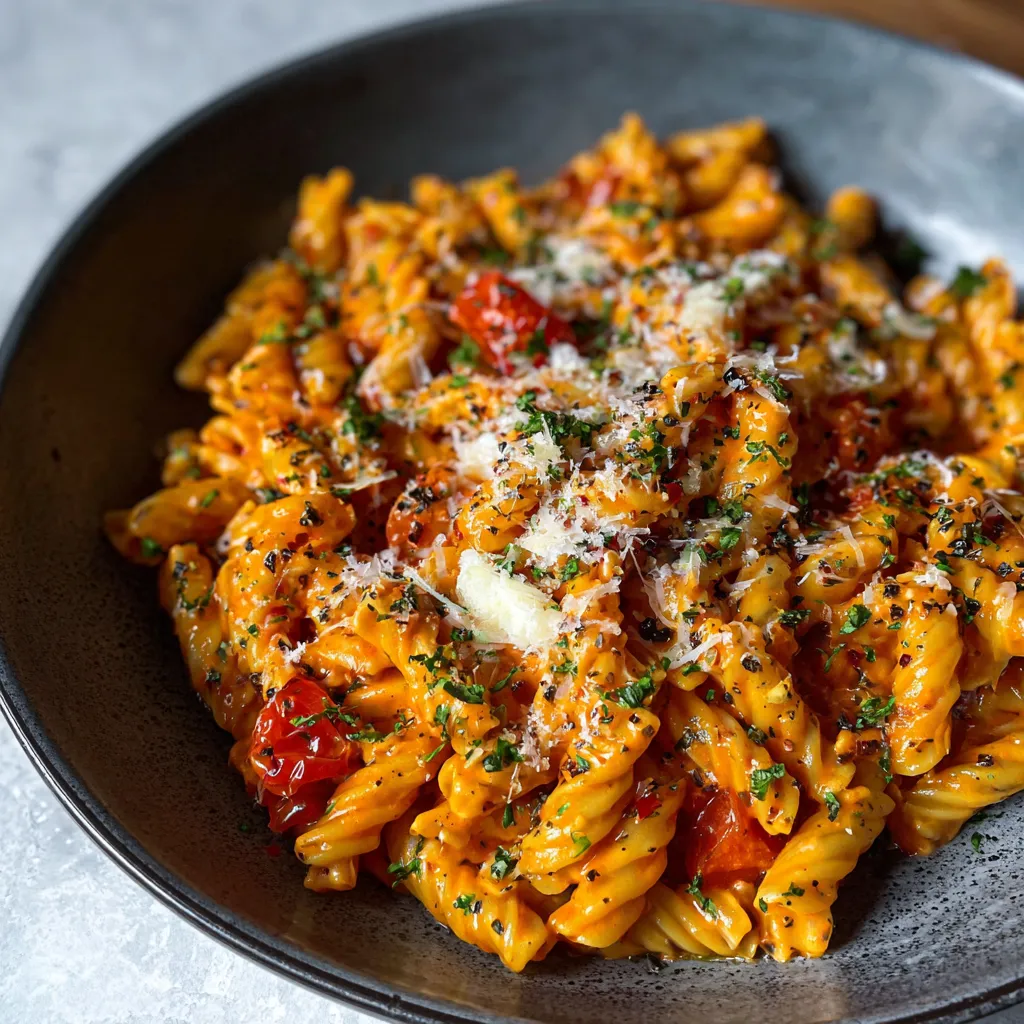
Quick Creamy Garlic Tomato Pasta
Ingredients
Equipment
Method
- Bring a large pot of salted water to a boil. Add the pasta and cook according to package directions until al dente. Reserve about 1/2 cup of pasta water before draining.
- While the pasta is cooking, heat the olive oil in a large skillet over medium heat. Add the minced garlic and red pepper flakes (if using) and cook until fragrant, about 1-2 minutes. Be careful not to burn the garlic.
- Pour in the crushed tomatoes and white wine (if using). Bring to a simmer and cook for 10-15 minutes, stirring occasionally, to allow the sauce to thicken slightly and the flavors to meld.
- Reduce the heat to low. Gently stir in the heavy cream and Parmesan cheese. Simmer for another 2-3 minutes, stirring constantly, until the cheese is melted and the sauce is smooth. Do not boil the sauce after adding the cream.
- Add the drained pasta to the skillet and toss to coat. If the sauce is too thick, add a little of the reserved pasta water until it reaches your desired consistency.
- Season with salt and pepper to taste. Garnish with fresh basil and additional Parmesan cheese. Serve immediately.