
The Alchemic Heart of Healing: Unlocking the Soup’s Secrets
The perceived healing properties of “Italian Penicillin Soup” (often a variation of chicken soup with Italian herbs and vegetables) aren’t purely anecdotal; they’re rooted in legitimate scientific principles. Chicken broth itself contains electrolytes, which are crucial for hydration, especially when combating a fever or dehydration caused by illness. The warmth of the soup can soothe a sore throat and loosen congestion. Beyond the broth, the specific ingredients contribute distinct benefits. Garlic, a staple in Italian cuisine, contains allicin, a compound with antiviral and antibacterial properties. Onions possess quercetin, an antioxidant and anti-inflammatory agent. Vegetables like carrots provide beta-carotene, which the body converts to Vitamin A, essential for immune function. Furthermore, the act of consuming warm soup encourages nasal drainage, clearing airways and providing temporary relief. The combination of these factors creates a synergistic effect that, while not a cure-all, provides significant symptomatic relief and supports the body’s natural healing processes. The placebo effect also plays a role; the comfort and familiarity associated with a beloved family recipe can positively influence our perception of well-being.From Nonna’s Kitchen to Your Table: The Ultimate Recipe
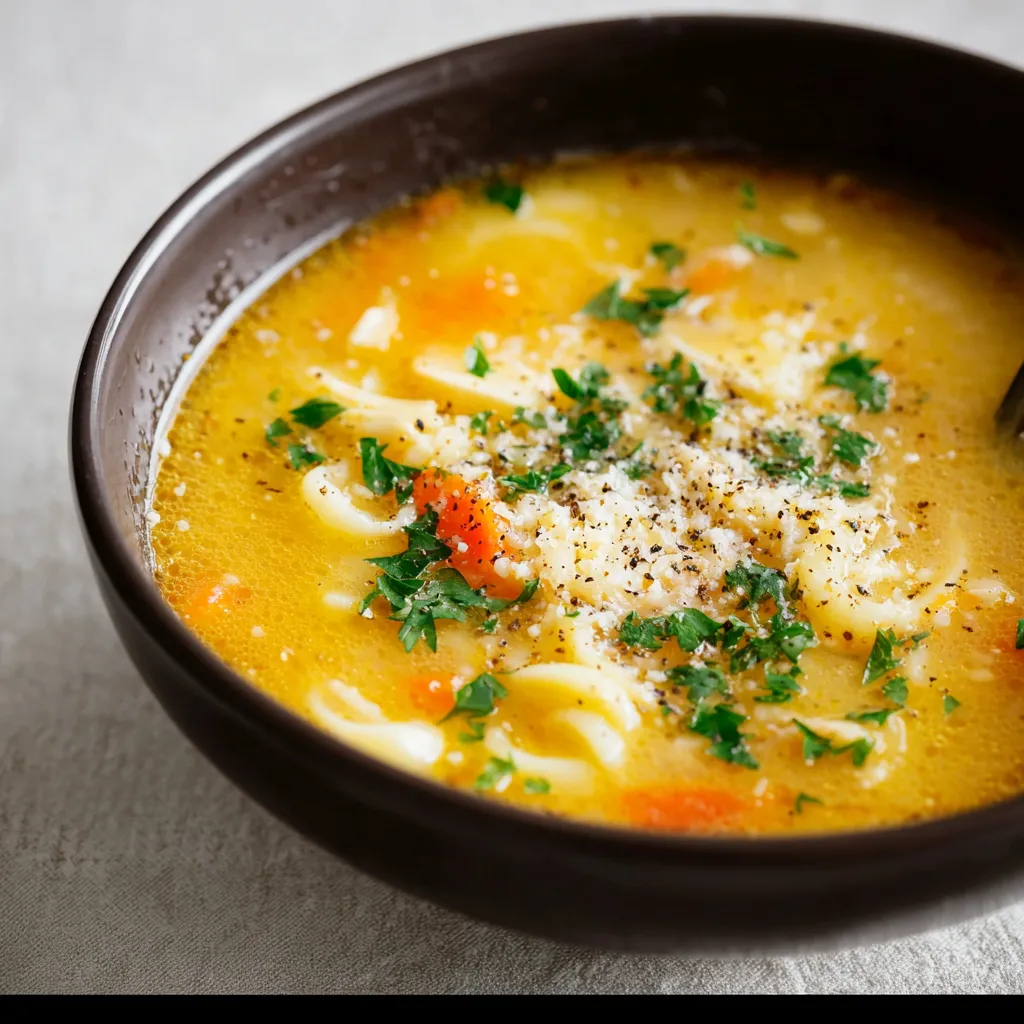 This recipe is a culmination of my research and experimentation, blending traditional techniques with a modern understanding of flavor and nutrition.
Ingredients:
- The Foundation:
- 1 whole chicken (about 3-4 lbs), or 2 lbs chicken thighs and drumsticks
- 12 cups water
- 2 tbsp olive oil
- The Aromatics:
- 2 large onions, chopped
- 4 carrots, peeled and chopped
- 4 celery stalks, chopped
- 6-8 cloves garlic, minced
- 2 bay leaves
- 1 tsp dried oregano
- 1 tsp dried basil
- 1/2 tsp dried thyme
- 1/4 tsp red pepper flakes (optional)
- The Boosters:
- 1 cup small pasta (ditalini, orzo, or stelline)
- 1 can (14.5 oz) diced tomatoes, undrained
- 1 cup chopped fresh parsley
- Juice of 1/2 lemon
- Seasoning:
- Salt and freshly ground black pepper to taste
Instructions:
- Prepare the Broth: In a large stockpot or Dutch oven, heat olive oil over medium heat. Add onions, carrots, and celery and cook until softened, about 5-7 minutes. Add garlic and cook for another minute until fragrant.
- Simmer the Chicken: Add the chicken to the pot. Pour in water, ensuring the chicken is submerged. Add bay leaves, oregano, basil, thyme, and red pepper flakes (if using). Bring to a boil, then reduce heat to a simmer.
- Skim and Simmer: Skim off any foam or impurities that rise to the surface. Cover and simmer for at least 1.5-2 hours, or until the chicken is very tender and falling off the bone.
- Remove and Shred: Carefully remove the chicken from the pot. Let it cool slightly, then shred the meat, discarding the skin and bones.
- Strain (Optional): For a clearer broth, strain the soup through a fine-mesh sieve, discarding the solids. Return the broth to the pot. This step is optional, I like a rustic soup.
- Add Pasta and Tomatoes: Bring the broth back to a simmer. Add the pasta and diced tomatoes. Cook until the pasta is tender, about 8-10 minutes.
- Return Chicken and Finish: Return the shredded chicken to the pot. Stir in the fresh parsley and lemon juice. Season with salt and pepper to taste.
- Serve and Enjoy: Ladle the soup into bowls and serve hot. A sprinkle of Parmesan cheese is a delicious addition!
My Penicillin Pilgrimage: The Quest for the Perfect Bowl
My journey to perfecting Italian Penicillin Soup was far from a straight line. My first few attempts were a disaster, resulting in either bland, watery broth or a flavor profile that was simply “off.” Then, I had an “Aha!” moment while reading about the Maillard reaction and its role in developing deep, complex flavors. I realized I was skipping a crucial step: properly browning the vegetables.The Soggy Start: My Initial Failures
Initially, I rushed the vegetable sauté, resulting in pale, undercooked onions and carrots. The broth lacked depth, tasting more like boiled water than a rich, flavorful soup. The chicken, while cooked through, imparted minimal flavor to the broth. Like many of you, I initially thought the key was just throwing everything into a pot and letting it simmer. Wrong!The Browning Revelation: Unlocking Flavor
I discovered that browning the onions, carrots, and celery before adding the water created a richer, more complex base for the soup. The Maillard reaction, the chemical reaction between amino acids and reducing sugars that gives browned food its distinctive flavor, was the missing ingredient. I started taking my time, allowing the vegetables to caramelize slightly, releasing their natural sugars and creating a deep, savory flavor.Garlic’s Golden Moment: Timing is Everything
Another crucial lesson learned was the timing of garlic addition. Initially, I added it with the other vegetables, resulting in burnt, bitter garlic that ruined the entire batch. The key is to add the minced garlic towards the end of the sauté, cooking it just until fragrant, about a minute. This prevents it from burning and preserves its pungent, slightly sweet flavor.The Chicken Conundrum: Whole Bird vs. Pieces
I experimented with using a whole chicken versus individual pieces like thighs and drumsticks. While a whole chicken provides a richer broth due to the bones, I found that using a combination of thighs and drumsticks offered a more flavorful and succulent meat. The higher fat content in the dark meat also contributed to a richer, more satisfying soup.The Pasta Predicament: Starch Control
The pasta posed another challenge. Adding it directly to the soup resulted in a starchy, gloopy mess. To avoid this, I now cook the pasta separately and add it to the soup just before serving. This keeps the broth clear and prevents the pasta from becoming overcooked and mushy. Alternatively, adding the pasta in the last 8-10 minutes allows it to cook perfectly, but requires careful monitoring and potentially adding more water if the broth becomes too thick.The Penicillin Protocol: My Foolproof Method
Here’s the perfected technique, distilled into a simple, repeatable process:- Sauté the Aromatics: Properly brown the onions, carrots, and celery in olive oil before adding any liquid. Allow them to caramelize slightly to develop depth of flavor.
- Garlic’s Grand Entrance: Add minced garlic towards the end of the sauté, cooking it just until fragrant (about 1 minute) to prevent burning.
- Simmer, Don’t Boil: Bring the soup to a boil, then immediately reduce to a simmer. A gentle simmer extracts the most flavor from the chicken and vegetables without making the broth cloudy.
- Skim the Scum: Regularly skim off any foam or impurities that rise to the surface during simmering. This results in a clearer, cleaner-tasting broth.
- Strategic Shredding: Allow the chicken to cool slightly before shredding. This makes it easier to handle and prevents burns. Discard the skin and bones.
- Pasta Perfection: Either cook the pasta separately and add it just before serving, or add it to the soup in the last 8-10 minutes of cooking time, monitoring carefully to prevent overcooking and starchiness.
- Acidic Awakening: A squeeze of fresh lemon juice at the end brightens the flavors and adds a touch of acidity that balances the richness of the soup.
- Taste and Adjust: Always taste the soup before serving and adjust the seasoning with salt and pepper as needed. Don’t be afraid to add a pinch of red pepper flakes for a subtle kick.
What makes ‘Italian Penicillin Soup’ potentially beneficial for a cold or flu?
The soup combines several factors: electrolytes in the chicken broth for hydration, warmth to soothe a sore throat and loosen congestion, garlic with antiviral and antibacterial properties, onions with antioxidant and anti-inflammatory agents, and vegetables like carrots which provide Vitamin A. This, combined with the placebo effect, offers symptomatic relief and supports the body’s natural healing processes.
What is the key to achieving a rich and flavorful broth in this soup?
The key is to properly brown the onions, carrots, and celery (the aromatics) in olive oil before adding any liquid. This caramelization process, known as the Maillard reaction, unlocks deep and complex flavors.
How should the pasta be handled to avoid a starchy or gloopy soup?
Either cook the pasta separately and add it to the soup just before serving, or add it to the soup in the last 8-10 minutes of cooking time, monitoring carefully to prevent overcooking and starchiness.
What is the best way to incorporate garlic into the soup without it becoming bitter?
Add the minced garlic towards the end of sautéing the other vegetables, cooking it just until fragrant (about 1 minute). This prevents it from burning and preserves its pungent, slightly sweet flavor.
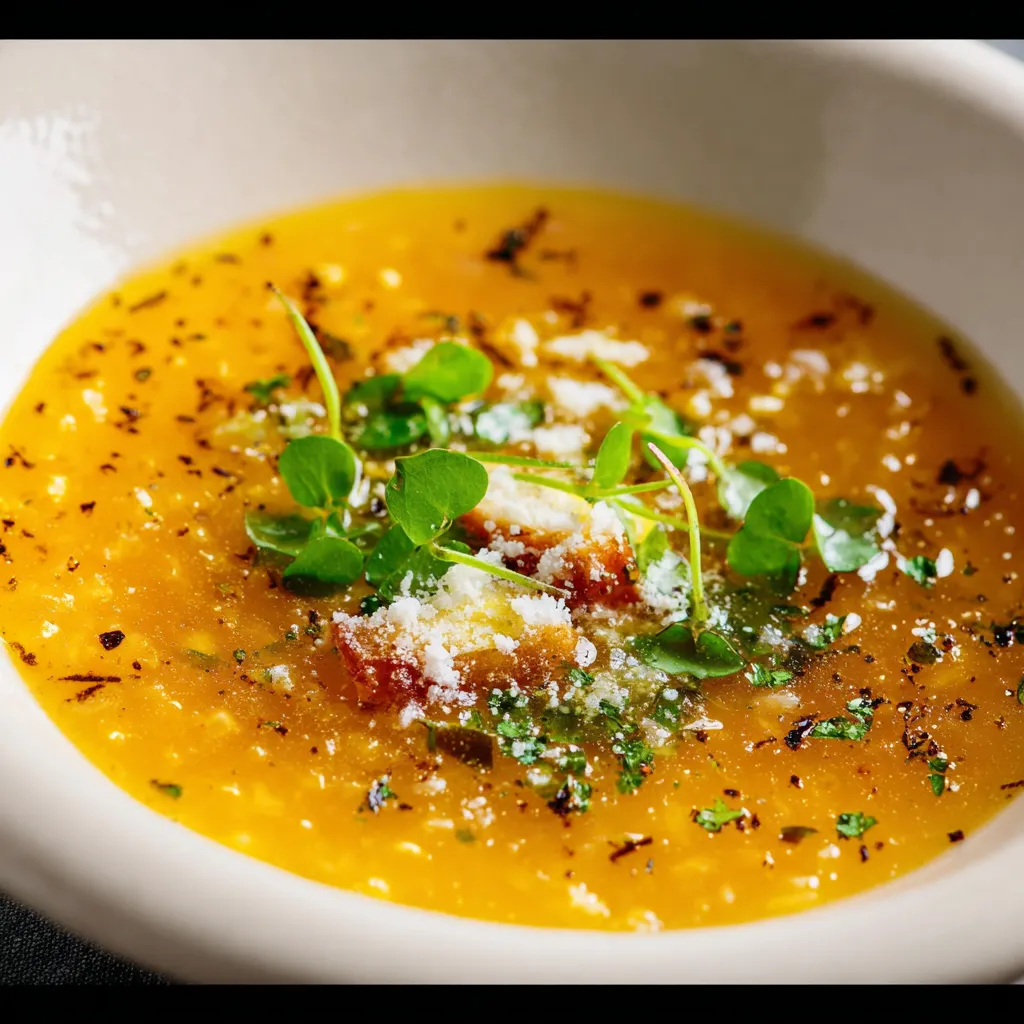
Italian Penicillin Soup
Ingredients
Equipment
Method
- In a large stockpot or Dutch oven, heat olive oil over medium heat.
- Add onions, carrots, and celery and cook until softened, about 5-7 minutes.
- Add garlic and cook for another minute until fragrant.
- Add the chicken to the pot. Pour in water, ensuring the chicken is submerged.
- Add bay leaves, oregano, basil, thyme, and red pepper flakes (if using).
- Bring to a boil, then reduce heat to a simmer.
- Skim off any foam or impurities that rise to the surface.
- Cover and simmer for at least 1.5-2 hours, or until the chicken is very tender and falling off the bone.
- Carefully remove the chicken from the pot. Let it cool slightly, then shred the meat, discarding the skin and bones.
- For a clearer broth, strain the soup through a fine-mesh sieve, discarding the solids. Return the broth to the pot. This step is optional.
- Bring the broth back to a simmer. Add the pasta and diced tomatoes.
- Cook until the pasta is tender, about 8-10 minutes.
- Return the shredded chicken to the pot. Stir in the fresh parsley and lemon juice.
- Season with salt and pepper to taste.
- Ladle the soup into bowls and serve hot. A sprinkle of Parmesan cheese is a delicious addition!