
The Alchemy of Cajun Creaminess: Unveiling the Secrets
The success of Cajun Chicken Tortellini hinges on a few key scientific principles, primarily concerning emulsification, protein coagulation, and flavor layering. Let’s break it down:- Emulsification is Key: The creamy sauce depends on a stable emulsion, preventing the fat (usually from butter or cream) from separating from the water-based components (broth, wine). This is where techniques like using a roux or incorporating cheese strategically come into play. The starch from the pasta water also aids in emulsification, creating a smoother, more cohesive sauce.
- Chicken Tenderness Through Heat Control: Chicken breast, while lean and healthy, can quickly become dry and rubbery if overcooked. This is because the muscle fibers contract and squeeze out moisture. The key is to cook it gently, using methods like poaching or searing quickly at high heat followed by lower heat cooking, ensuring the internal temperature reaches a safe level (165°F/74°C) without overcooking.
- Flavor Layering for Depth: Cajun cuisine is all about building complex flavors. This involves starting with aromatic vegetables like the “holy trinity” (onions, bell peppers, and celery), adding spices at different stages to maximize their impact, and using ingredients like Worcestershire sauce or hot sauce to provide umami and acidity. It’s not just about heat; it’s about harmony.
The Definitive Cajun Chicken Tortellini Recipe
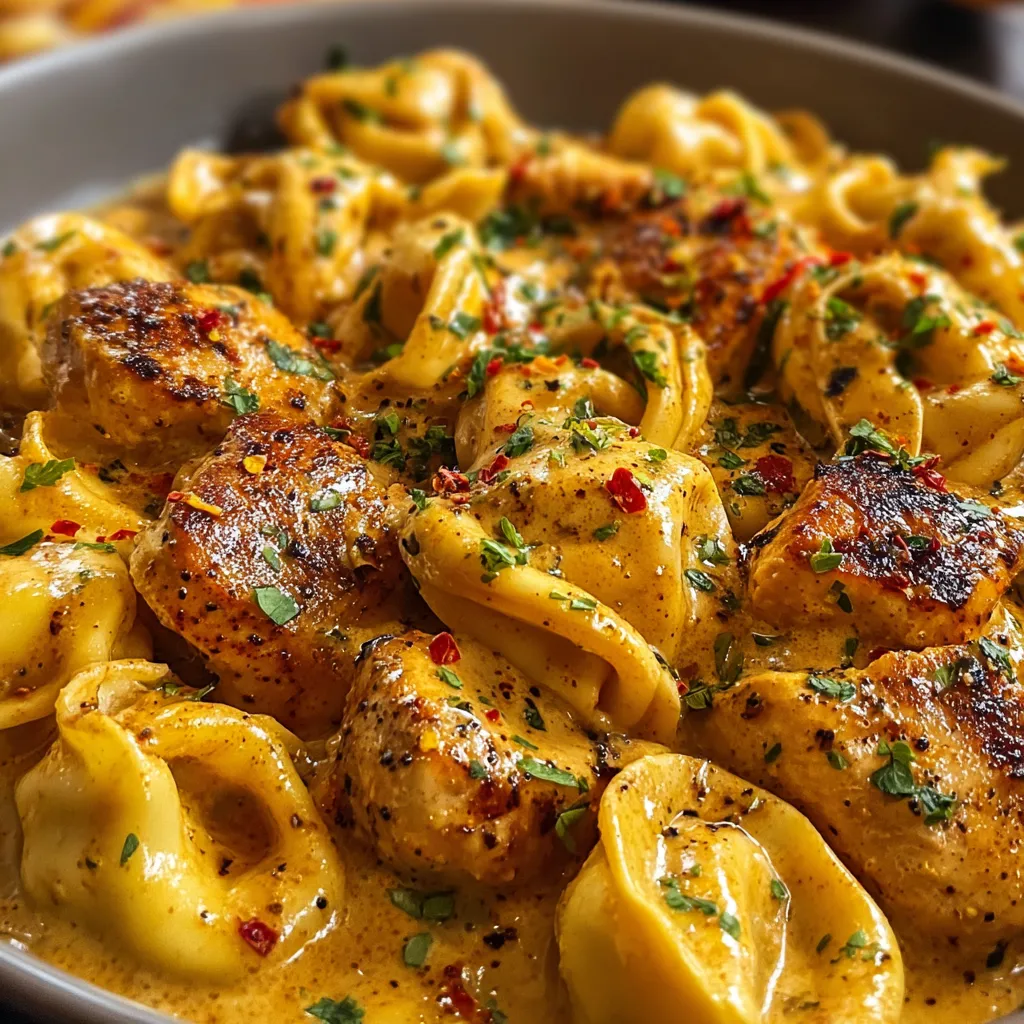 This recipe is the culmination of my trials, errors, and “Aha!” moments. It consistently delivers a restaurant-quality dish that’s surprisingly easy to make at home.
Ingredients:
- For the Chicken:
- 1.5 lbs boneless, skinless chicken breasts, cut into 1-inch pieces
- 1 tbsp Cajun seasoning (store-bought or homemade)
- 1 tbsp olive oil
- For the Sauce:
- 4 tbsp butter
- 1/2 cup diced onion
- 1/2 cup diced bell pepper (green or red)
- 1/4 cup diced celery
- 2 cloves garlic, minced
- 2 tbsp all-purpose flour
- 1.5 cups chicken broth
- 1/2 cup heavy cream
- 1/4 cup dry white wine (optional, but recommended)
- 2 tbsp grated Parmesan cheese
- 1 tbsp Worcestershire sauce
- 1 tsp hot sauce (or more, to taste)
- 1/2 tsp dried thyme
- 1/4 tsp cayenne pepper (adjust to taste)
- Salt and black pepper to taste
- For the Tortellini:
- 20 oz package of cheese tortellini (fresh or frozen)
- 2 tbsp chopped fresh parsley, for garnish
Instructions:
- Prepare the Chicken: In a bowl, toss the chicken pieces with the Cajun seasoning. Heat olive oil in a large skillet over medium-high heat. Add the chicken and cook until browned and cooked through, about 5-7 minutes. Set aside.
- Sauté the Vegetables: In the same skillet, melt the butter over medium heat. Add the onion, bell pepper, and celery and cook until softened, about 5-7 minutes. Add the garlic and cook for another minute until fragrant.
- Make the Roux: Sprinkle the flour over the vegetables and cook, stirring constantly, for 1-2 minutes. This creates a roux, which will thicken the sauce.
- Add Liquids and Seasoning: Gradually whisk in the chicken broth and white wine (if using), scraping up any browned bits from the bottom of the pan. Bring to a simmer, then stir in the heavy cream, Parmesan cheese, Worcestershire sauce, hot sauce, thyme, and cayenne pepper. Season with salt and black pepper to taste.
- Simmer and Thicken: Reduce the heat to low and simmer the sauce for 5-7 minutes, or until it has thickened slightly.
- Cook the Tortellini: While the sauce is simmering, cook the tortellini according to package directions. Drain well, reserving about 1/2 cup of the pasta water.
- Combine and Serve: Add the cooked chicken and drained tortellini to the sauce. Toss gently to coat. If the sauce is too thick, add a little of the reserved pasta water to thin it out.
- Garnish and Serve: Garnish with fresh parsley and serve immediately.
My Cajun Tortellini Odyssey: A Culinary Investigation
My journey to perfecting this Cajun Chicken Tortellini recipe was anything but straightforward. My first few attempts were a disaster – think bland sauces, rubbery chicken, and pasta that turned to mush. But each failure was a learning opportunity, a chance to delve deeper into the science and art of this deceptively complex dish.The Great Sauce Debacle
Like many of you, I initially thought the key to a great Cajun sauce was just throwing in a bunch of spices. I was wrong. My early sauces were gritty, unbalanced, and lacked depth. The turning point came when I focused on building a proper roux. I had an “Aha!” moment when I realized the importance of cooking the flour long enough to eliminate its raw taste, but not so long that it burned. This simple step transformed the texture and flavor of the sauce completely. I also started experimenting with adding the spices at different stages – blooming some in the butter with the vegetables and adding others later for a fresher, brighter flavor.Taming the Chicken Beast
The chicken was another major challenge. My first attempts resulted in dry, flavorless pieces that were more akin to shoe leather than a culinary delight. I tried everything – marinating, brining, pounding – but nothing seemed to work consistently. Then, I stumbled upon the technique of searing the chicken quickly at high heat to lock in the juices, followed by simmering it gently in the sauce. This approach resulted in incredibly tender and flavorful chicken every time. I also found that using chicken thighs, while not as lean, offered superior flavor and moisture.Tortellini Triumphs and Tribulations
The tortellini seemed like the easiest part, but even here, I encountered pitfalls. Overcooking the tortellini was a common problem, resulting in a mushy, unpleasant texture. I learned to cook the tortellini al dente, just until tender, and to add it to the sauce at the very end to prevent it from overcooking. I also discovered that reserving some of the pasta water was a game-changer. The starchy water helped to emulsify the sauce and create a silky, cohesive texture.The Foolproof Method: A Recipe for Success
Based on my culinary investigation, here’s the foolproof method for consistently making delicious Cajun Chicken Tortellini:- Spice with Precision: Bloom some spices (like thyme and cayenne) in the butter with the vegetables for deeper flavor, and add others (like hot sauce) later for brightness.
- Master the Roux: Cook the flour and butter mixture (roux) until it smells nutty, but before it browns, to eliminate the raw flour taste.
- Embrace the Deglaze: Deglaze the pan with white wine (if using) and chicken broth, scraping up any browned bits for maximum flavor.
- Tenderize the Chicken: Sear the chicken quickly at high heat to lock in the juices, then simmer it gently in the sauce until cooked through. Alternatively, use chicken thighs for more flavor and moisture.
- Perfect the Tortellini: Cook the tortellini al dente and add it to the sauce at the very end to prevent overcooking.
- Reserve Pasta Water: Reserve some of the pasta water to emulsify the sauce and create a silky texture.
- Taste and Adjust: Taste the sauce frequently and adjust the seasoning (salt, pepper, hot sauce) as needed.
- Garnish Generously: Finish with fresh parsley for a pop of color and freshness.
What’s the key to achieving a creamy Cajun sauce without it separating?
The key to a creamy Cajun sauce lies in creating a stable emulsion. Using a roux, incorporating cheese strategically, and utilizing the starch from reserved pasta water can help prevent the fat from separating from the water-based components.
How do you prevent the chicken from becoming dry and rubbery in this Cajun Chicken Tortellini recipe?
To keep the chicken tender, cook it gently. Searing it quickly at high heat followed by simmering in the sauce, or using chicken thighs, helps maintain moisture and prevent overcooking. Ensure the internal temperature reaches 165°F/74°C.
Why is it important to reserve some of the pasta water when making Cajun Chicken Tortellini?
Reserving some of the pasta water is crucial because the starchy water helps to emulsify the sauce, creating a silky and cohesive texture. It can also be used to thin the sauce if it becomes too thick.
What is the ‘holy trinity’ and why is it important in Cajun cuisine for this recipe?
The ‘holy trinity’ in Cajun cuisine refers to onions, bell peppers, and celery. These aromatic vegetables form the base flavor of many Cajun dishes. Sautéing them at the beginning of the cooking process helps to build depth and complexity in the overall flavor profile of the Cajun Chicken Tortellini.
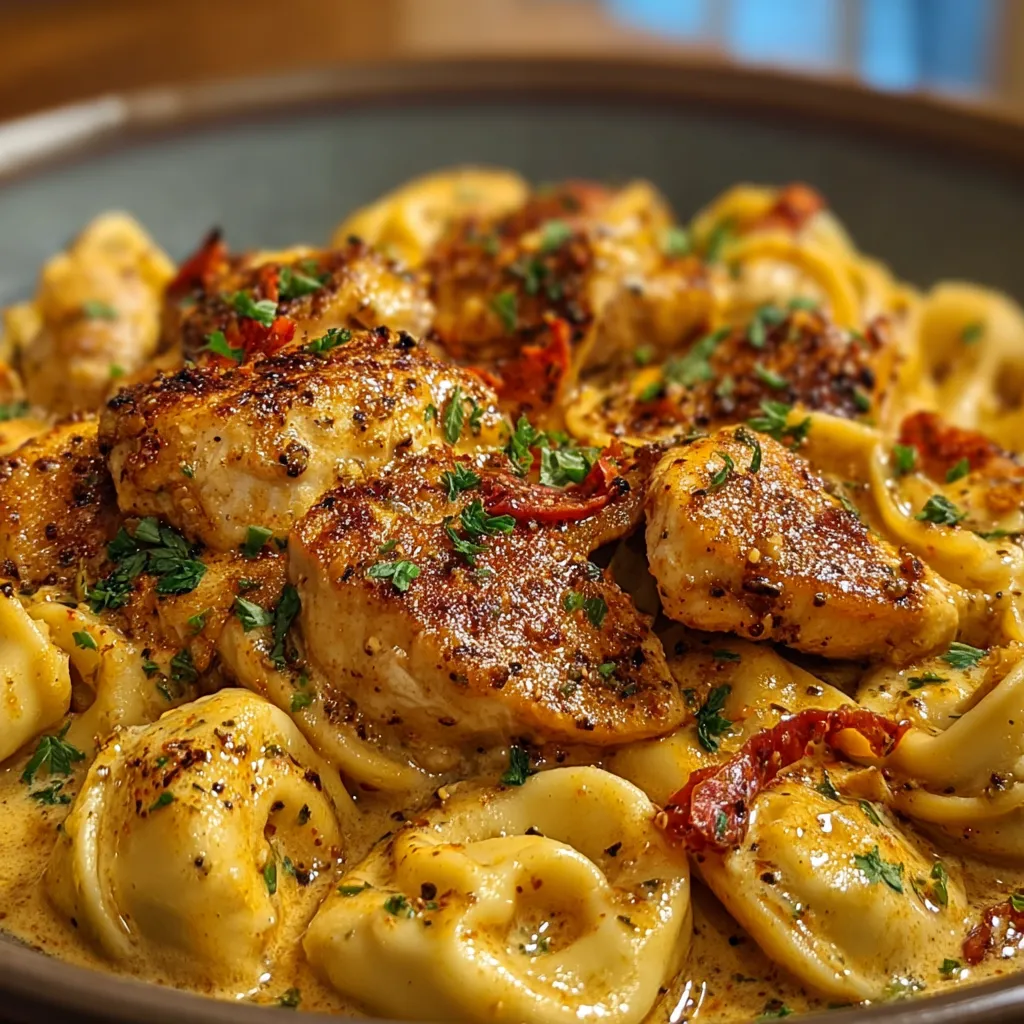
Irresistible Cajun Chicken Tortellini
Ingredients
Equipment
Method
- In a bowl, toss the chicken pieces with the Cajun seasoning.
- Heat olive oil in a large skillet over medium-high heat.
- Add the chicken and cook until browned and cooked through, about 5-7 minutes. Set aside.
- In the same skillet, melt the butter over medium heat.
- Add the onion, bell pepper, and celery and cook until softened, about 5-7 minutes. Add the garlic and cook for another minute until fragrant.
- Sprinkle the flour over the vegetables and cook, stirring constantly, for 1-2 minutes to create a roux.
- Gradually whisk in the chicken broth and white wine (if using), scraping up any browned bits from the bottom of the pan.
- Bring to a simmer, then stir in the heavy cream, Parmesan cheese, Worcestershire sauce, hot sauce, thyme, and cayenne pepper. Season with salt and black pepper to taste.
- Reduce the heat to low and simmer the sauce for 5-7 minutes, or until it has thickened slightly.
- While the sauce is simmering, cook the tortellini according to package directions.
- Drain the tortellini well, reserving about 1/2 cup of the pasta water.
- Add the cooked chicken and drained tortellini to the sauce. Toss gently to coat.
- If the sauce is too thick, add a little of the reserved pasta water to thin it out.
- Garnish with fresh parsley and serve immediately.