
The Alchemist’s Kitchen: Unlocking Flavor in Humble Ingredients
Before diving into the recipe itself, let’s explore the scientific principles that underpin a truly exceptional Tuscan Chickpea Soup. This isn’t just about throwing ingredients into a pot; it’s about orchestrating a symphony of flavors. The first crucial element is Maillard reaction, that magical browning process that occurs when amino acids and reducing sugars are heated. This is why sautéing the aromatics (onion, garlic, celery, carrots) in olive oil is so important – it develops a depth of flavor that simply boiling them won’t achieve. Think of it as building the foundation of your flavor house. Next, consider the role of umami, that savory fifth taste. Dried herbs, like rosemary and thyme, and especially tomato paste, are rich in glutamates, which contribute to umami. Roasting the tomato paste for a short time intensifies its flavor, adding another layer of complexity. Even the chickpeas themselves, with their earthy flavor, contribute to the overall umami profile. Finally, don’t underestimate the power of acidity. A splash of vinegar or lemon juice at the end brightens the soup and balances the richness of the olive oil and chickpeas. This final touch is like adding the perfect punctuation mark to a well-written sentence.The Recipe: Tuscan Chickpea Soup (Ribollita Inspired)
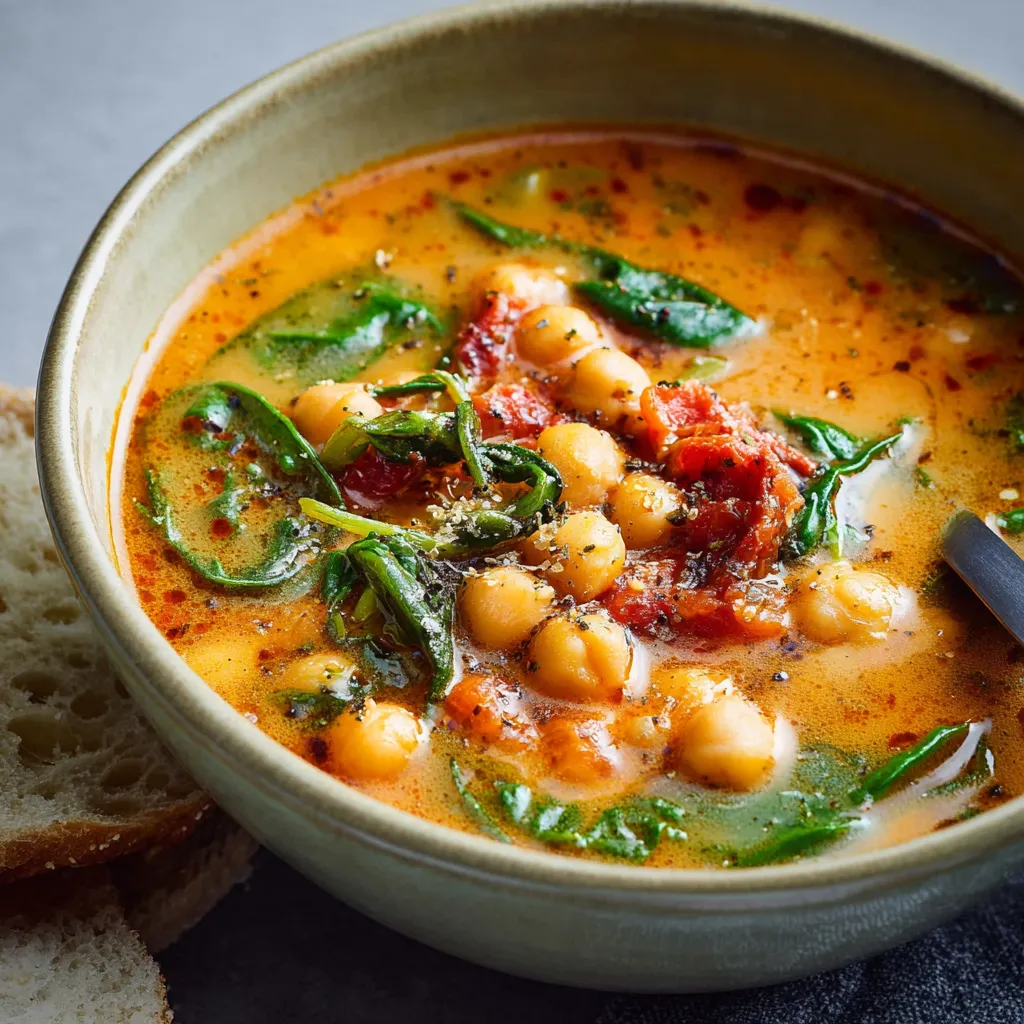 This recipe is inspired by Ribollita, the famous Tuscan bread and vegetable soup. While this version doesn’t *require* stale bread, adding some elevates it to another level.
Ingredients:
- 2 tablespoons extra virgin olive oil
- 1 large onion, chopped
- 2 carrots, chopped
- 2 celery stalks, chopped
- 4 cloves garlic, minced
- 1 tablespoon tomato paste
- 1 teaspoon dried rosemary
- 1/2 teaspoon dried thyme
- 1/4 teaspoon red pepper flakes (optional)
- 6 cups vegetable broth (or chicken broth)
- Two 15-ounce cans chickpeas, drained and rinsed
- 1 (14.5 ounce) can diced tomatoes, undrained
- 1 cup chopped kale or spinach
- 2 tablespoons red wine vinegar (or lemon juice)
- Salt and freshly ground black pepper to taste
- Optional: 1 cup stale bread, cubed (crusts removed)
- Optional: Grated Parmesan cheese, for serving
Instructions:
- Heat the olive oil in a large pot or Dutch oven over medium heat. Add the onion, carrots, and celery and cook, stirring occasionally, until softened, about 5-7 minutes.
- Add the garlic, tomato paste, rosemary, thyme, and red pepper flakes (if using) and cook, stirring constantly, for 1 minute, until fragrant.
- Pour in the vegetable broth and bring to a simmer.
- Add one can of the chickpeas to the pot. Reserve the other can. Use an immersion blender to partially blend the soup until it reaches a creamy consistency. If you don’t have an immersion blender, you can carefully transfer some of the soup to a regular blender, blend, and return it to the pot. Be careful when blending hot liquids!
- Add the remaining can of chickpeas, the diced tomatoes, and the kale or spinach. If using, add the stale bread. Simmer for 15-20 minutes, or until the kale is tender and the flavors have melded.
- Stir in the red wine vinegar or lemon juice. Season with salt and pepper to taste.
- Serve hot, garnished with grated Parmesan cheese, if desired.
My Chickpea Chronicle: From Bland Beginnings to Bowl-Licking Bliss
My journey to mastering Tuscan Chickpea Soup wasn’t exactly smooth sailing. My first few attempts were a disaster – watery, bland, and utterly forgettable. I followed recipes religiously, but the results were consistently underwhelming. Then, I had an “Aha!” moment: I needed to understand *why* the recipes worked (or, in my case, didn’t work).The Great Broth Blunder
Like many of you, I initially thought that any broth would do. I’d grab whatever vegetable broth was on sale at the grocery store, thinking it was just a liquid base. Big mistake! I discovered that the quality of the broth dramatically impacts the final flavor. Watery, flavorless broth leads to a watery, flavorless soup. Swapping to a good quality broth, or even better, homemade broth, made a world of difference. It was like upgrading from a tinny radio to a high-fidelity sound system.The Aromatic Awakening
Another turning point came when I started paying closer attention to the aromatics. Initially, I just tossed the onion, carrots, and celery into the pot and cooked them until they were “soft.” I didn’t realize the importance of achieving a proper caramelization. By cooking them slowly and allowing them to brown, I unlocked layers of sweetness and depth that I had previously been missing. This also reminded me of the importance of quality olive oil.The Chickpea Conundrum
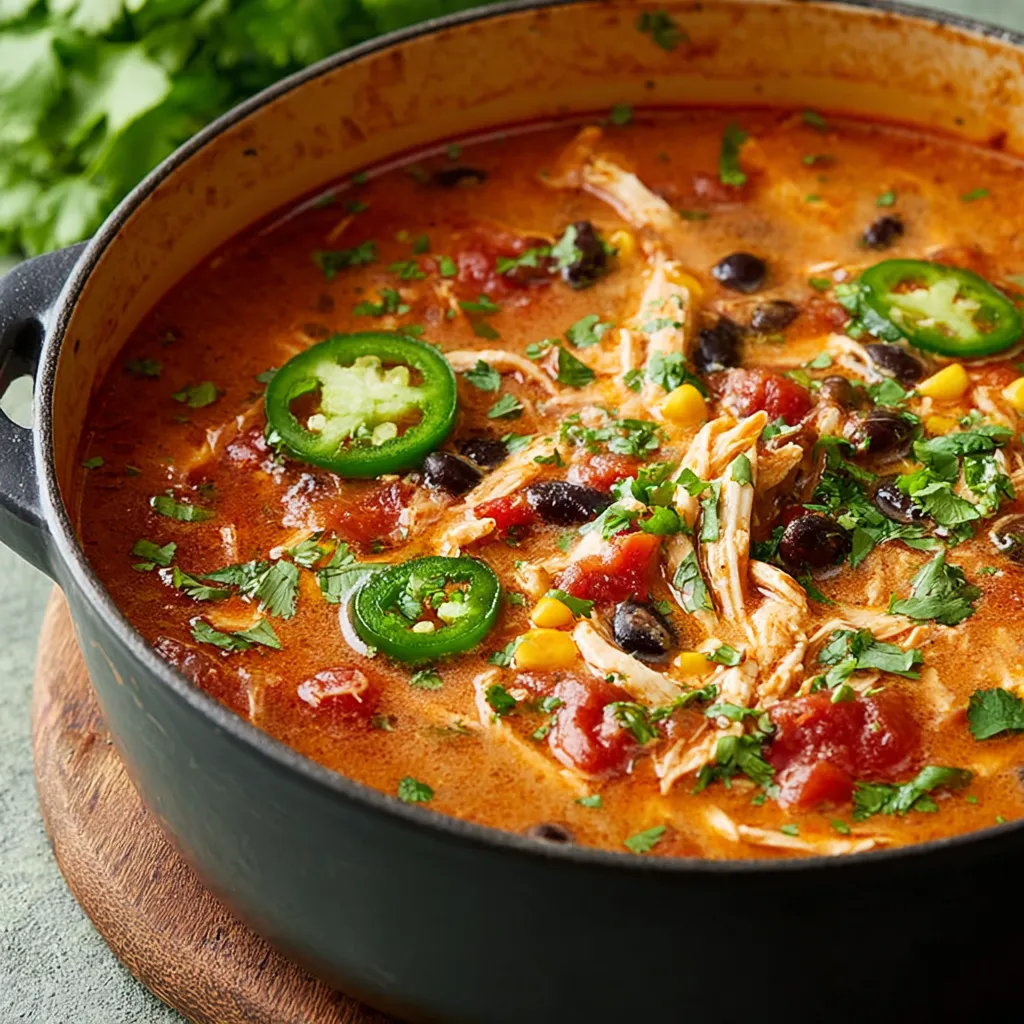
The chickpeas themselves presented a challenge. Simply adding them straight from the can resulted in a somewhat mushy texture and a lack of depth. I tried roasting them first, which added a nutty flavor, but the texture was still off. The solution, as the recipe reflects, was to blend half of the chickpeas to create a creamy base. This not only improved the texture but also thickened the soup and enhanced the overall flavor. This technique mirrors similar applications of blended beans found in Creamy Taco Soup, showcasing a shared culinary principle.The Bread Revelation
Finally, I experimented with adding stale bread, inspired by Ribollita. At first, I was skeptical. It seemed like a strange addition. However, the bread soaked up the broth and created a wonderfully hearty and satisfying texture. Plus, it added a subtle nutty flavor that complemented the chickpeas perfectly. Think of it as a delicious and resourceful way to prevent food waste, something I also consider when making Vegetable Soup.The Foolproof Method: A Checklist for Chickpea Soup Success
Based on my culinary investigations, here’s a foolproof method for making truly exceptional Tuscan Chickpea Soup:- Choose your broth wisely: Opt for a high-quality vegetable or chicken broth, or better yet, make your own.
- Caramelize the aromatics: Cook the onion, carrots, and celery slowly over medium heat until they are softened and lightly browned.
- Bloom the spices and tomato paste: Cook the garlic, rosemary, thyme, and tomato paste for a minute until fragrant to release their essential oils.
- Blend half the chickpeas: This creates a creamy base and thickens the soup.
- Simmer for flavor fusion: Allow the soup to simmer for at least 15 minutes to allow the flavors to meld together.
- Brighten with acidity: Add a splash of red wine vinegar or lemon juice at the end to balance the richness.
- Season aggressively: Don’t be afraid to add salt and pepper to taste. Seasoning is key to bringing out the flavors of the ingredients.
- Consider adding stale bread: For a heartier and more flavorful soup, add cubed stale bread during the simmering process. This adds a comforting element, similar to the effect of gnocchi in Italian Sausage Gnocchi Soup.
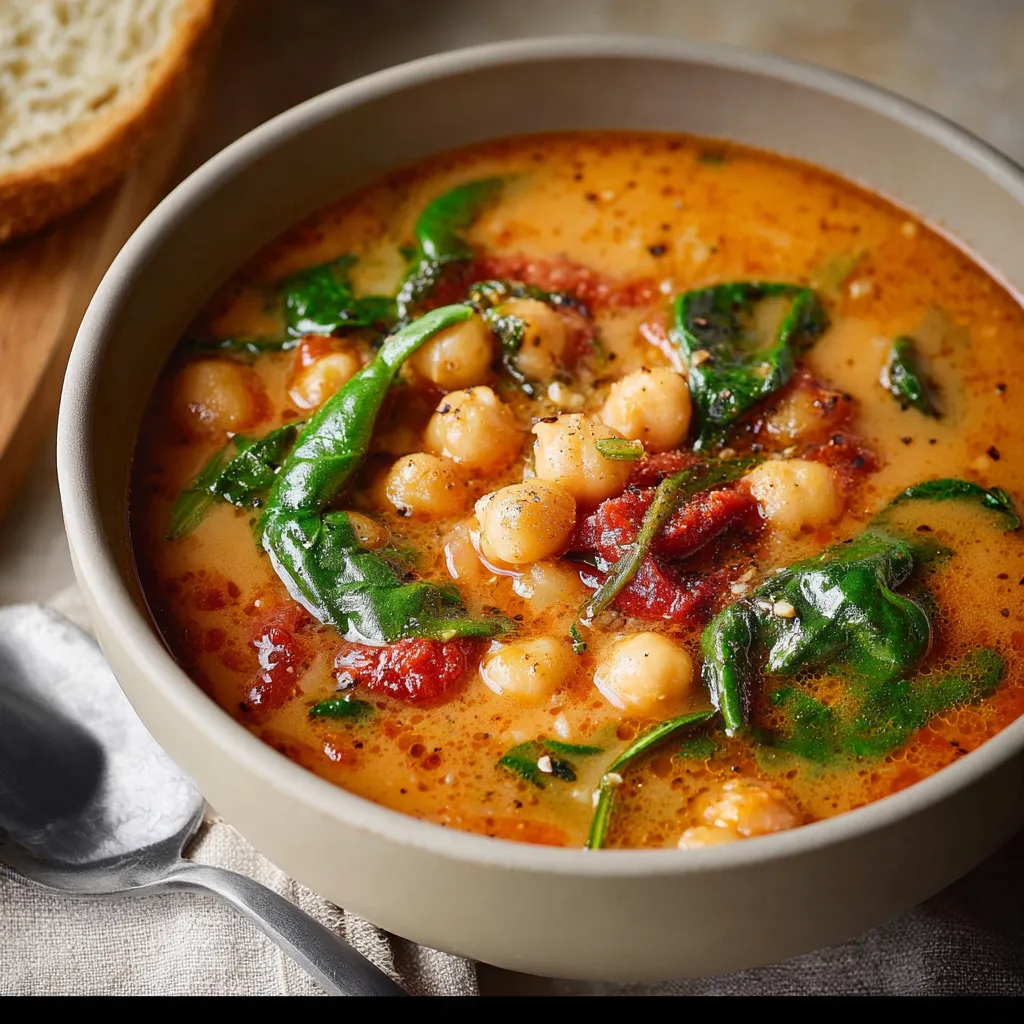
Easy Tuscan Chickpea Soup
This Tuscan Chickpea Soup recipe transforms simple ingredients into a deeply flavorful and satisfying meal. Inspired by Ribollita, it features sautéed aromatics, blended chickpeas for a creamy texture, and a touch of acidity for balance. Adding stale bread elevates this peasant dish to another level of hearty deliciousness.
Ingredients
Equipment
Method
- Heat the olive oil in a large pot or Dutch oven over medium heat.
- Add the onion, carrots, and celery and cook, stirring occasionally, until softened, about 5-7 minutes.
- Add the garlic, tomato paste, rosemary, thyme, and red pepper flakes (if using) and cook, stirring constantly, for 1 minute, until fragrant.
- Pour in the vegetable broth and bring to a simmer.
- Add one can of the chickpeas to the pot. Reserve the other can. Use an immersion blender to partially blend the soup until it reaches a creamy consistency. If you don’t have an immersion blender, you can carefully transfer some of the soup to a regular blender, blend, and return it to the pot. Be careful when blending hot liquids!
- Add the remaining can of chickpeas, the diced tomatoes, and the kale or spinach. If using, add the stale bread. Simmer for 15-20 minutes, or until the kale is tender and the flavors have melded.
- Stir in the red wine vinegar or lemon juice. Season with salt and pepper to taste.
- Serve hot, garnished with grated Parmesan cheese, if desired.
Notes
For a richer flavor, use homemade broth. Roasting the chickpeas before adding them to the soup can enhance their nutty flavor. Stale bread adds a hearty texture and helps to thicken the soup. The soup can be stored in the refrigerator for up to 3 days. For variations, consider adding other vegetables like potatoes or zucchini. You can also use other types of beans like cannellini beans. This recipe is great for meal prepping and can be easily doubled.