
Decoding the Deliciousness: The Science Behind Stuffed Shells
The beauty of stuffed shells lies in the synergy of its components. Each ingredient plays a crucial role, and understanding these roles is key to mastering the dish. First, the shells themselves: these large pasta tubes need sufficient hydration to cook through completely in the oven without becoming mushy. Pre-cooking them *al dente* is the standard approach, but even then, the residual heat and sauce absorption in the oven can push them over the edge. The trick is to undercook them slightly, leaving them with a firm bite. The filling, traditionally a blend of ricotta cheese, spinach, eggs, and seasonings, presents its own challenges. Ricotta, with its high moisture content, can release water during baking, leading to a watery sauce. Spinach, notorious for retaining water, exacerbates this problem. Therefore, properly draining both ricotta and spinach is paramount. Eggs act as a binder, providing structure to the filling and preventing it from becoming grainy. Finally, the sauce: a vibrant, well-seasoned tomato sauce not only adds flavor but also provides the necessary moisture for the shells to finish cooking. The acidity of the tomatoes also helps to tenderize the pasta. The consistency of the sauce is crucial; it should be thick enough to coat the shells but not so thick that it prevents them from absorbing moisture. Think of it as a Goldilocks situation – not too thin, not too thick, but *just* right.The Ultimate Spinach Ricotta Stuffed Shells Recipe
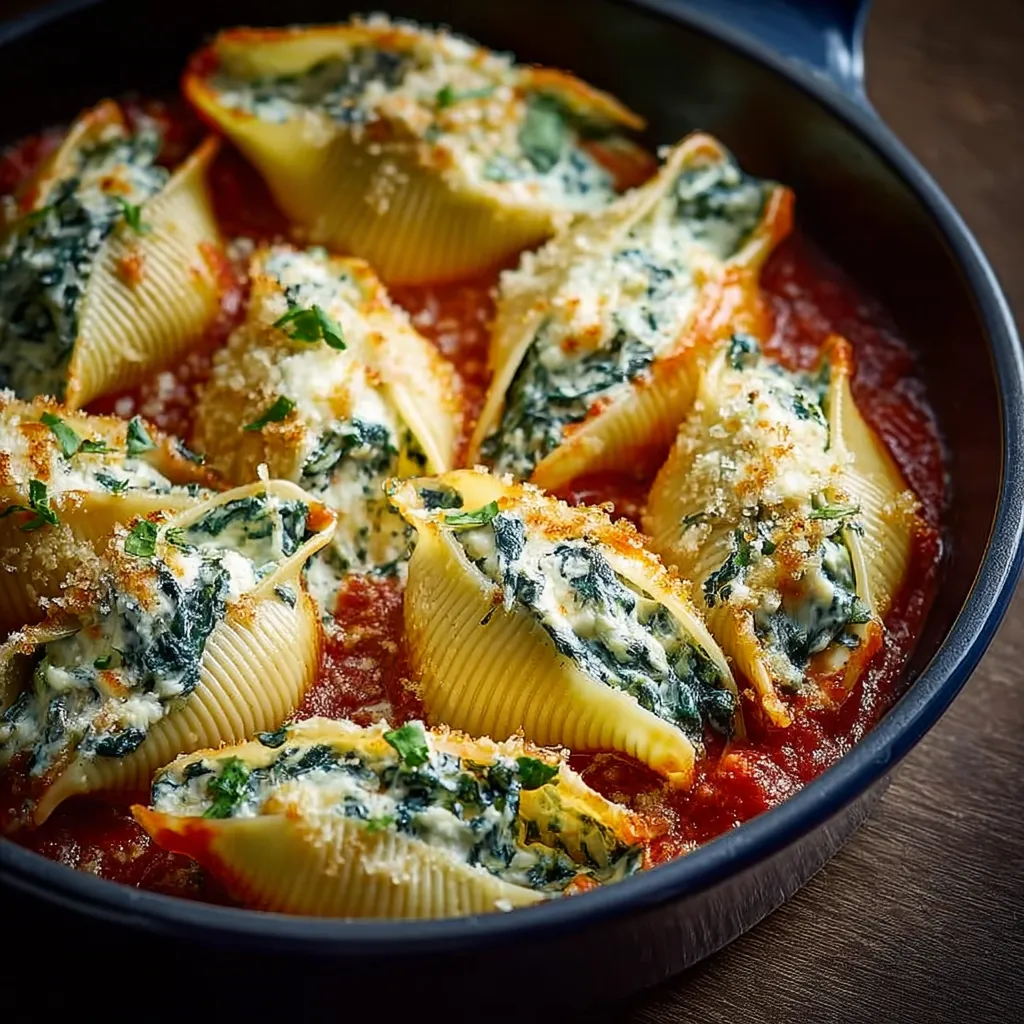 This recipe reflects my hard-won understanding of the science behind perfect stuffed shells. Follow it closely, and you’ll be rewarded with a dish that’s both comforting and impressive.
Ingredients
- 1 (12-ounce) box jumbo pasta shells
- 1 tablespoon olive oil
- 1 medium yellow onion, finely chopped
- 2 cloves garlic, minced
- 1 (10-ounce) package frozen spinach, thawed and squeezed dry
- 1 (15-ounce) container ricotta cheese, drained
- 1/2 cup grated Parmesan cheese, plus more for topping
- 1 large egg, lightly beaten
- 1/4 teaspoon nutmeg
- Salt and black pepper to taste
- 1 (24-ounce) jar marinara sauce, or your favorite homemade sauce
- Fresh basil leaves, for garnish (optional)
Instructions
- Cook the Shells: Bring a large pot of salted water to a boil. Add the pasta shells and cook according to package directions, but reduce the cooking time by 2 minutes. The shells should be *al dente*. Drain well and rinse with cold water to stop the cooking process. Gently set aside on a baking sheet lined with parchment paper.
- Prepare the Filling: Heat the olive oil in a large skillet over medium heat. Add the onion and cook until softened, about 5 minutes. Add the garlic and cook for another minute, until fragrant. Add the squeezed-dry spinach to the skillet and cook for 2 minutes, stirring occasionally, until any remaining moisture has evaporated. Remove from heat and let cool slightly.
- Combine the Filling: In a large bowl, combine the ricotta cheese, Parmesan cheese, egg, nutmeg, salt, and pepper. Add the cooled spinach mixture and mix well until everything is evenly incorporated.
- Assemble the Shells: Preheat oven to 375°F (190°C). Spread a thin layer of marinara sauce in the bottom of a 9×13 inch baking dish. Using a spoon or a piping bag, carefully stuff each pasta shell with the ricotta mixture. Arrange the stuffed shells in the baking dish, seam-side up, in a single layer.
- Bake: Pour the remaining marinara sauce over the stuffed shells, making sure they are well coated. Sprinkle with additional Parmesan cheese, if desired. Cover the baking dish with aluminum foil and bake for 20 minutes. Remove the foil and bake for another 10-15 minutes, or until the sauce is bubbly and the cheese is melted and lightly golden brown.
- Serve: Let the stuffed shells cool for a few minutes before serving. Garnish with fresh basil leaves, if desired.
The Investigation: My Stuffed Shells Saga
My journey to perfecting spinach ricotta stuffed shells was far from straightforward. Like many of you, I initially thought it was a simple matter of stuffing some shells and throwing them in the oven. My first few attempts were a disaster – either the shells were mushy, the filling was watery, or the sauce was bland. It was time to put on my culinary investigator hat.The Soggy Shell Syndrome
The initial problem was, consistently, soggy shells. I religiously followed the package instructions for cooking time, yet the shells always ended up overcooked after baking.The Watery Filling Woes
Next, the filling. No matter how much ricotta I used, the filling seemed to weep water into the sauce, diluting its flavor and creating an unappetizing texture. I experimented with different brands of ricotta, thinking the quality might be the issue, but the problem persisted. I considered adding breadcrumbs to absorb the excess moisture, but I was worried about compromising the creamy texture of the filling.The Bland Sauce Blunder
Finally, the sauce. While I used a decent store-bought marinara, it lacked the depth and complexity I was looking for. It needed more *oomph*.The “Aha!” Moment: Undercooking and Draining
Then, I had an “Aha!” moment. Recalling my pasta-making experience, I realized that pasta continues to cook even after it’s removed from the boiling water. The solution? Undercook the shells slightly. This, combined with rinsing them in cold water, stopped the cooking process and prevented them from becoming mushy in the oven. The ricotta and spinach situation required a more hands-on approach. I started draining the ricotta overnight in a cheesecloth-lined colander. For the spinach, I not only thawed it completely but also squeezed it dry with my bare hands, extracting every last drop of excess moisture.Boosting the Flavor Profile
To elevate the sauce, I started adding a pinch of red pepper flakes, a dash of balsamic vinegar, and a generous handful of fresh herbs like basil and oregano. I also experimented with sautéing some garlic and onions in olive oil before adding the marinara, which added a deeper, more complex flavor. This approach reminded me of some techniques I use when making Italian Penicillin Soup, where building flavor in layers is critical.The Technique: A Foolproof Method for Stuffed Shell Success
After countless experiments and tweaks, I’ve distilled the process into a simple, foolproof technique. Follow these steps, and you’ll be well on your way to stuffed shell perfection.- Undercook the Shells: Cook the jumbo shells for 2 minutes less than the package directions suggest. They should be *al dente*. Drain and rinse with cold water.
- Drain the Ricotta: Place the ricotta cheese in a cheesecloth-lined colander and let it drain in the refrigerator for at least 2 hours, or preferably overnight.
- Squeeze the Spinach: Thaw the frozen spinach completely. Wrap it in a clean kitchen towel or cheesecloth and squeeze out as much excess water as possible. You want it to be almost completely dry.
- Sauté Aromatics: Sauté minced garlic and finely chopped onion in olive oil before adding the marinara sauce to deepen the flavor. A touch of red pepper flakes can also add a pleasant kick. This technique is similar to the base flavor building in my Vegetable Soup.
- Season Generously: Don’t be shy with the seasonings. Add salt, pepper, garlic powder, onion powder, and a pinch of nutmeg to the ricotta mixture. Taste and adjust as needed.
- Layer the Sauce: Spread a thin layer of sauce on the bottom of the baking dish before adding the stuffed shells. This prevents the shells from sticking and ensures that they cook evenly.
- Don’t Overbake: Bake the stuffed shells covered with foil for the first 20 minutes, then remove the foil and bake for another 10-15 minutes, or until the sauce is bubbly and the cheese is melted. Overbaking can dry out the filling and make the shells tough. The baking process is similar to my Gluten Free Lasagna Soup, where you have to be cautious not to overcook.
- Let it Rest: Allow the stuffed shells to cool for a few minutes before serving. This allows the filling to set and the flavors to meld together.
Why is it important to undercook the pasta shells before stuffing and baking them?
Undercooking the shells prevents them from becoming mushy during the baking process, as the pasta continues to cook even after it’s removed from the boiling water and will further cook in the oven with the sauce.
How do you prevent the ricotta and spinach filling from becoming watery?
To prevent a watery filling, drain the ricotta cheese in a cheesecloth-lined colander for at least 2 hours, or preferably overnight, and squeeze the thawed spinach to remove as much excess water as possible.
What are some ways to enhance the flavor of the marinara sauce used in the stuffed shells?
You can enhance the flavor of the marinara sauce by sautéing minced garlic and finely chopped onion in olive oil before adding the sauce. A pinch of red pepper flakes, a dash of balsamic vinegar, and fresh herbs like basil and oregano can also boost the flavor.
Should I cover the baking dish while baking the stuffed shells?
Yes, cover the baking dish with aluminum foil for the first 20 minutes of baking. Then, remove the foil and bake for another 10-15 minutes, or until the sauce is bubbly and the cheese is melted and lightly golden brown.
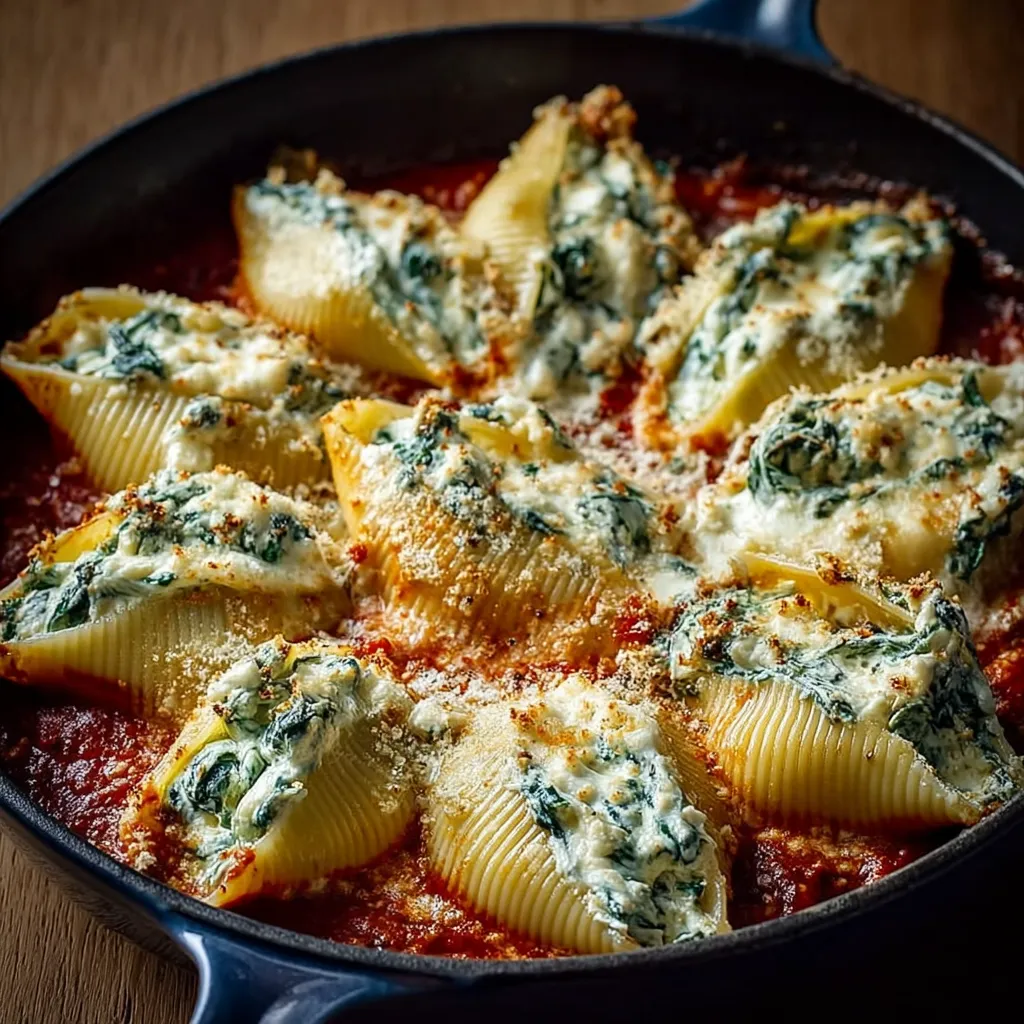
Easy Spinach Ricotta Stuffed Shells
Ingredients
Equipment
Method
- Cook the Shells: Bring a large pot of salted water to a boil. Add the pasta shells and cook according to package directions, but reduce the cooking time by 2 minutes. The shells should be al dente. Drain well and rinse with cold water to stop the cooking process. Gently set aside on a baking sheet lined with parchment paper.
- Prepare the Filling: Heat the olive oil in a large skillet over medium heat. Add the onion and cook until softened, about 5 minutes. Add the garlic and cook for another minute, until fragrant. Add the squeezed-dry spinach to the skillet and cook for 2 minutes, stirring occasionally, until any remaining moisture has evaporated. Remove from heat and let cool slightly.
- Combine the Filling: In a large bowl, combine the ricotta cheese, Parmesan cheese, egg, nutmeg, salt, and pepper. Add the cooled spinach mixture and mix well until everything is evenly incorporated.
- Assemble the Shells: Preheat oven to 375°F (190°C). Spread a thin layer of marinara sauce in the bottom of a 9×13 inch baking dish. Using a spoon or a piping bag, carefully stuff each pasta shell with the ricotta mixture. Arrange the stuffed shells in the baking dish, seam-side up, in a single layer.
- Bake: Pour the remaining marinara sauce over the stuffed shells, making sure they are well coated. Sprinkle with additional Parmesan cheese, if desired. Cover the baking dish with aluminum foil and bake for 20 minutes. Remove the foil and bake for another 10-15 minutes, or until the sauce is bubbly and the cheese is melted and lightly golden brown.
- Serve: Let the stuffed shells cool for a few minutes before serving. Garnish with fresh basil leaves, if desired.