
The Broth Beyond Belief: Unveiling the Secrets of Chicken and Rice Soup
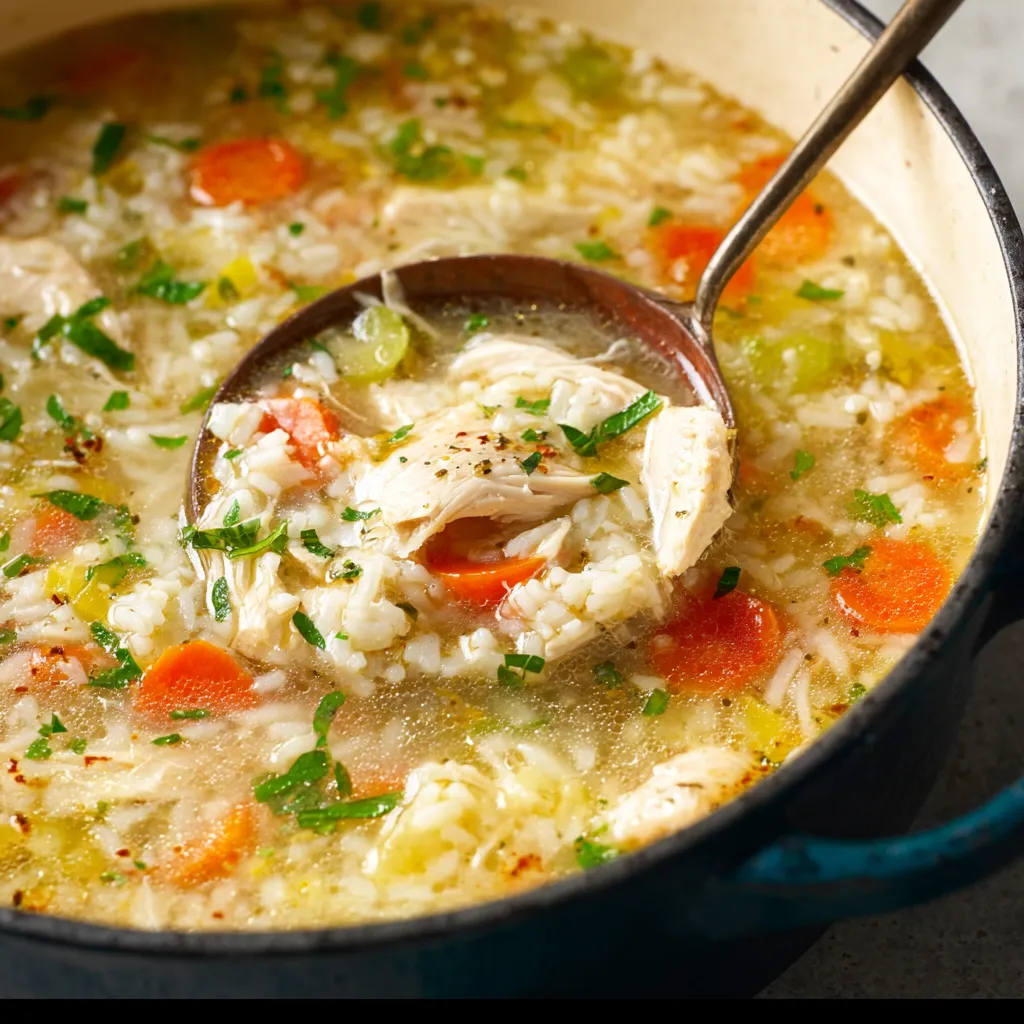
The comforting allure of Easy Simple Chicken and Rice Soup is undeniable, but achieving that perfect balance of flavor, texture, and simplicity can often feel elusive. Like many of you, I initially thought it was just a matter of throwing ingredients into a pot, but the truth, as I discovered, is far more nuanced and scientifically fascinating.The Science Behind the Simmer: Decoding the Soup’s Essence
 At its core, Chicken and Rice Soup relies on three fundamental scientific principles: protein denaturation, starch gelatinization, and Maillard reaction.
- Protein Denaturation (Chicken): As chicken cooks, its proteins unwind and coagulate, releasing flavorful compounds into the broth. The key here is gentle simmering, which allows for optimal flavor extraction without toughening the meat. Vigorous boiling can lead to a dry, stringy texture.
- Starch Gelatinization (Rice): Rice grains are essentially packets of starch. When heated in water, the starch granules absorb liquid, swell, and become tender. Different rice varieties have varying starch contents and gelatinization temperatures, impacting the final texture. Long-grain rice tends to remain firmer, while short-grain rice releases more starch, creating a creamier broth.
- Maillard Reaction (Optional): While often skipped in simpler recipes, briefly browning the chicken or aromatics (onions, carrots, celery) before adding liquid triggers the Maillard reaction. This chemical reaction between amino acids and reducing sugars generates hundreds of flavorful compounds, adding depth and complexity to the soup. However, over-browning can lead to bitterness.
The Recipe: A Symphony of Simplicity
Here’s my meticulously crafted recipe for Easy Simple Chicken and Rice Soup that maximizes flavor with minimal effort:Ingredients:
- 1 tablespoon olive oil
- 1 pound boneless, skinless chicken breasts
- 1 medium onion, chopped
- 2 carrots, peeled and chopped
- 2 celery stalks, chopped
- 8 cups chicken broth (low sodium preferred)
- 1 cup long-grain rice (such as basmati or jasmine)
- 1 teaspoon dried thyme
- 1/2 teaspoon dried rosemary
- Salt and pepper to taste
- Fresh parsley, chopped (for garnish)
Instructions:
-
Sauté the Aromatics
- Heat olive oil in a large pot or Dutch oven over medium heat.
- Add onion, carrots, and celery and cook until softened, about 5-7 minutes.
-
Sear the Chicken (Optional, but Recommended)
- Increase heat to medium-high.
- Add chicken breasts to the pot and sear for 2-3 minutes per side, until lightly browned. This step enhances flavor but is optional.
-
Simmer the Soup
- Pour in chicken broth, ensuring the chicken is submerged.
- Add dried thyme and rosemary.
- Bring to a gentle simmer, then reduce heat to low, cover, and cook for 20-25 minutes, or until the chicken is cooked through.
-
Shred the Chicken
- Remove chicken breasts from the pot and shred with two forks.
- Return the shredded chicken to the pot.
-
Cook the Rice
- Add rice to the pot.
- Continue to simmer, uncovered, for 15-20 minutes, or until the rice is tender. Stir occasionally to prevent sticking.
-
Season and Serve
- Season with salt and pepper to taste.
- Garnish with fresh parsley before serving.
The Investigation: My Quest for Soup Perfection
The Initial Disaster: Overcooked Chicken and Mushy Rice
My first few attempts were a disaster. I boiled the chicken to oblivion, resulting in a dry, tasteless texture. Then, I added the rice too early, leading to a mushy, starchy mess that resembled porridge more than soup. I was frustrated, questioning if ‘Easy Simple’ was simply a misleading label.The “Aha!” Moment: Gentle Simmering and Strategic Timing
Then, I had an “Aha!” moment while re-reading a food science article about protein denaturation. The key wasn’t just cooking the chicken, but gently simmering it to extract maximum flavor without sacrificing its tenderness. This also applied to vegetables: Allowing them to soften slowly in a controlled environment, unlocked a deeper and more pleasant flavor, compared to boiling them into submission. The next breakthrough came with the rice. I realized that adding it too early caused it to overcook and release excessive starch. By adding it later in the process and monitoring its doneness closely, I could achieve the perfect al dente texture.The Browning Revelation: Elevating Flavor with Maillard
Feeling adventurous, I decided to experiment with the Maillard reaction. I browned the chicken breasts before adding them to the soup, and the difference was remarkable. The browning added a layer of savory depth that elevated the entire dish. I was equally impressed by browning the aromatics, taking care not to burn them, but to coax them towards that perfect golden brown.The Broth Dilemma: Homemade vs. Store-Bought
I also experimented with different types of chicken broth. While homemade broth undoubtedly offers superior flavor, it’s not always practical for a quick and easy meal. I found that using high-quality, low-sodium store-bought broth could still yield excellent results, especially when enhanced with the browned chicken and aromatics.The Technique: A Foolproof Formula for Soup Success
Here’s the foolproof method, distilled from my culinary investigation, to create the perfect Easy Simple Chicken and Rice Soup every time:- Sauté the Aromatics: Soften the onions, carrots, and celery in olive oil to build a flavorful base.
- Sear the Chicken (Optional): Brown the chicken breasts for added depth of flavor (Maillard reaction magic!).
- Simmer Gently: Avoid vigorous boiling. A gentle simmer extracts flavor without toughening the chicken or vegetables.
- Time the Rice Perfectly: Add the rice later in the process and monitor its doneness to prevent overcooking.
- Season Generously: Don’t be afraid to season with salt and pepper to taste. The broth will dilute the flavors, so a good amount of seasoning is key.
- Garnish with Fresh Herbs: Fresh parsley adds a pop of color and freshness.
Why is it important to simmer the chicken gently instead of boiling it vigorously?
Gentle simmering of the chicken allows for optimal flavor extraction without toughening the meat. Vigorous boiling can lead to a dry, stringy texture.
How does the type of rice affect the texture of the soup?
Different rice varieties have varying starch contents. Long-grain rice tends to remain firmer, while short-grain rice releases more starch, creating a creamier broth.
What is the Maillard reaction and why is it beneficial to this soup?
The Maillard reaction is a chemical reaction between amino acids and reducing sugars that occurs when browning the chicken or aromatics. It generates hundreds of flavorful compounds, adding depth and complexity to the soup. However, over-browning can lead to bitterness.
Is homemade broth necessary for a flavorful chicken and rice soup?
While homemade broth undoubtedly offers superior flavor, using high-quality, low-sodium store-bought broth can still yield excellent results, especially when enhanced with browned chicken and aromatics.

Easy Simple Chicken and Rice Soup
Ingredients
Equipment
Method
- Heat olive oil in a large pot or Dutch oven over medium heat.
- Add onion, carrots, and celery and cook until softened, about 5-7 minutes.
- Increase heat to medium-high.
- Add chicken breasts to the pot and sear for 2-3 minutes per side, until lightly browned.
- Pour in chicken broth, ensuring the chicken is submerged.
- Add dried thyme and rosemary.
- Bring to a gentle simmer, then reduce heat to low, cover, and cook for 20-25 minutes, or until the chicken is cooked through.
- Remove chicken breasts from the pot and shred with two forks.
- Return the shredded chicken to the pot.
- Add rice to the pot.
- Continue to simmer, uncovered, for 15-20 minutes, or until the rice is tender. Stir occasionally to prevent sticking.
- Season with salt and pepper to taste.
- Garnish with fresh parsley before serving.