
Unlocking the Secrets: The Science Behind a Perfect Pot Pie
The magic of a truly great chicken pot pie lies in understanding the science behind the ingredients and techniques. Let’s break down the crucial elements:- The Crust: The flakiness we crave is a result of thin layers of fat separating layers of dough. As the pie bakes, the fat melts, creating steam that pushes the dough layers apart, resulting in a flaky texture. Cold ingredients are key here, as they prevent the fat from melting prematurely and incorporating into the flour. Gluten development is also crucial but should be minimized. Too much gluten makes for a tough crust.
- The Filling: The creamy texture comes from a roux – a cooked mixture of butter and flour. The flour acts as a thickening agent, absorbing the liquid (chicken broth, milk, or cream) and creating a smooth sauce. The key is to cook the roux long enough to eliminate the raw flour taste, but not so long that it browns excessively and alters the flavor. The protein in the chicken and vegetables also play a role; overcooking can lead to a dry, stringy texture.
- Moisture Control: The dreaded soggy bottom! This is often due to excess moisture in the filling steaming the crust from below. Pre-cooking the vegetables and ensuring the filling isn’t too watery before adding it to the pie crust helps to mitigate this problem. Blind baking the bottom crust can also create a moisture barrier.
The Ultimate Chicken Pot Pie Recipe
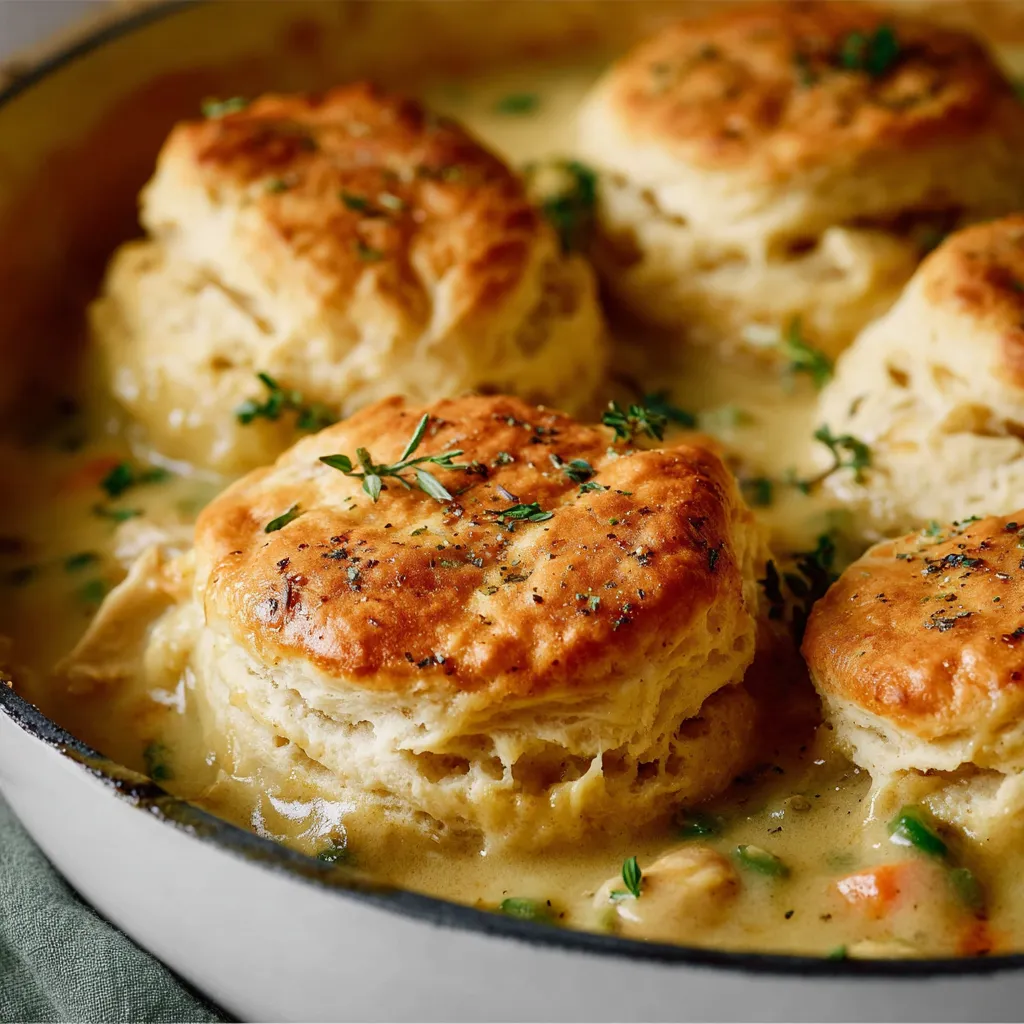 Here is a recipe I have perfected after countless experiments. This recipe focuses on achieving both a flaky crust and flavorful creamy filling.
Ingredients:
For the Crust:
- 2 1/2 cups all-purpose flour
- 1 teaspoon salt
- 1 cup (2 sticks) cold unsalted butter, cut into cubes
- 1/2 cup ice water
- 1 egg, beaten (for egg wash)
For the Filling:
- 4 tablespoons unsalted butter
- 1 large onion, chopped
- 2 carrots, peeled and chopped
- 2 celery stalks, chopped
- 1/2 cup all-purpose flour
- 4 cups chicken broth
- 1 cup heavy cream
- 1 teaspoon dried thyme
- 1/2 teaspoon salt
- 1/4 teaspoon black pepper
- 2 cups cooked chicken, shredded or cubed
- 1 cup frozen peas
- 1/2 cup frozen corn
Instructions:
Making the Crust:
- In a large bowl, whisk together flour and salt.
- Cut in the cold butter using a pastry blender or your fingers until the mixture resembles coarse crumbs.
- Gradually add ice water, 1 tablespoon at a time, mixing until the dough just comes together.
- Divide the dough in half, flatten into disks, wrap in plastic wrap, and refrigerate for at least 30 minutes.
Making the Filling:
- Melt butter in a large pot or Dutch oven over medium heat.
- Add onion, carrots, and celery and cook until softened, about 5-7 minutes.
- Stir in flour and cook for 1-2 minutes, stirring constantly. This is the roux.
- Gradually whisk in chicken broth until smooth.
- Stir in heavy cream, thyme, salt, and pepper. Bring to a simmer and cook until thickened, about 5-7 minutes.
- Stir in cooked chicken, peas, and corn.
- Remove from heat.
Assembling and Baking:
- Preheat oven to 400°F (200°C).
- On a lightly floured surface, roll out one disk of dough into a 12-inch circle.
- Carefully transfer the dough to a 9-inch pie plate. Trim and crimp the edges.
- Pour the chicken filling into the pie crust.
- Roll out the second disk of dough into a 12-inch circle. Cut slits in the top crust to allow steam to escape.
- Carefully place the top crust over the filling. Trim and crimp the edges to seal.
- Brush the top crust with beaten egg.
- Bake for 45-50 minutes, or until the crust is golden brown and the filling is bubbly.
- Let cool for at least 15 minutes before serving.
My Pot Pie Pilgrimage: A Culinary Investigation
My journey to pot pie perfection wasn’t a straight line. My first few attempts were a disaster. I remember one particularly tragic incident where the crust was so tough I could barely cut through it, and the filling tasted like wallpaper paste. Then, I had an “Aha!” moment when I realized the importance of both the science and the technique.The Soggy Bottom Blues
Initially, the biggest problem I faced was the dreaded soggy bottom. Like many of you, I initially thought it was just bad luck. However, after some research, I discovered that the moisture from the filling was the culprit. I tried a few different approaches. I initially tried blind-baking the crust. This helped, but it wasn’t a complete solution. The real breakthrough came when I started pre-cooking the vegetables and reducing the amount of liquid in the filling. By sautéing the onions, carrots, and celery beforehand, I was able to release some of their moisture before they even went into the pie. Also, using slightly less chicken broth and ensuring the filling was nice and thick before adding it to the crust made a HUGE difference.The Tough Crust Tragedy
Another early challenge was achieving a flaky, tender crust. My first few attempts resulted in a crust that was either too tough or too crumbly. I learned that the key to a flaky crust is to keep the butter cold and to avoid overworking the dough. I started freezing the butter for a short period before cutting it into the flour. This helped to prevent the butter from melting prematurely and incorporating into the flour. I also discovered that using a pastry blender, instead of my hands, helped to keep the butter cold and prevented it from melting. The other key, of course, was gluten development. I learned that too much mixing of the flour and water activates the gluten which results in a tough crust. I now add the water *very* gradually and only mix until the dough *just* comes together. No more, no less!The Bland Filling Blunder
Finally, I had to tackle the bland filling. My early pot pies were often lacking in flavor. I addressed this by experimenting with different herbs and spices. I found that thyme, sage, and rosemary worked particularly well with chicken. I also started using homemade chicken broth, which added a richer, more complex flavor to the filling. The key, I discovered, was layering the flavors. Sautéing the vegetables in butter before adding the flour helped to develop their sweetness. Cooking the roux properly was also crucial, as it eliminated the raw flour taste and added a nutty depth to the filling. Finally, a touch of heavy cream added richness and creaminess to the sauce.The Foolproof Method: Your Pot Pie Path to Perfection
After many trials and errors, I’ve distilled the process into a foolproof method:- Keep everything cold: Use cold butter, cold water, and chill the dough before rolling. This ensures a flaky crust.
- Don’t overwork the dough: Mix the dough just until it comes together to avoid developing too much gluten.
- Pre-cook the vegetables: Sauté the onions, carrots, and celery before adding them to the filling to release moisture and develop flavor.
- Control the liquid: Use slightly less chicken broth than you think you need and ensure the filling is thick before adding it to the crust.
- Cook the roux properly: Cook the flour and butter mixture for 1-2 minutes to eliminate the raw flour taste.
- Use flavorful ingredients: Use homemade chicken broth and add herbs and spices to enhance the flavor of the filling.
- Cut slits in the top crust: This allows steam to escape and prevents the crust from becoming soggy.
- Egg wash the crust: This gives the crust a beautiful golden-brown color.
- Let it cool: Allow the pie to cool for at least 15 minutes before serving to allow the filling to set.
What is the secret to achieving a flaky pot pie crust?
The key to a flaky crust is using cold ingredients (especially butter and water) and avoiding overworking the dough. Cold butter creates layers that separate during baking, and minimal mixing prevents excessive gluten development, which can lead to a tough crust.
How do you prevent a soggy bottom crust on a chicken pot pie?
Prevent a soggy bottom by pre-cooking the vegetables to release excess moisture, using slightly less chicken broth in the filling, ensuring the filling is thick before adding it to the crust, and potentially blind-baking the bottom crust.
How long should I cook the roux when making the filling for chicken pot pie, and why?
Cook the roux (butter and flour mixture) for 1-2 minutes, stirring constantly. This is crucial to eliminate the raw flour taste and add a nutty depth to the filling’s flavor.
Why is it important to let the chicken pot pie cool before serving?
Letting the pie cool for at least 15 minutes before serving allows the filling to set properly, preventing it from being too runny and making it easier to serve.

Easy Chicken Pot Pie
Ingredients
Equipment
Method
- In a large bowl, whisk together flour and salt.
- Cut in the cold butter using a pastry blender or your fingers until the mixture resembles coarse crumbs.
- Gradually add ice water, 1 tablespoon at a time, mixing until the dough just comes together.
- Divide the dough in half, flatten into disks, wrap in plastic wrap, and refrigerate for at least 30 minutes.
- Melt butter in a large pot or Dutch oven over medium heat.
- Add onion, carrots, and celery and cook until softened, about 5-7 minutes.
- Stir in flour and cook for 1-2 minutes, stirring constantly.
- Gradually whisk in chicken broth until smooth.
- Stir in heavy cream, thyme, salt, and pepper. Bring to a simmer and cook until thickened, about 5-7 minutes.
- Stir in cooked chicken, peas, and corn.
- Remove from heat.
- Preheat oven to 400°F (200°C).
- On a lightly floured surface, roll out one disk of dough into a 12-inch circle.
- Carefully transfer the dough to a 9-inch pie plate. Trim and crimp the edges.
- Pour the chicken filling into the pie crust.
- Roll out the second disk of dough into a 12-inch circle. Cut slits in the top crust to allow steam to escape.
- Carefully place the top crust over the filling. Trim and crimp the edges to seal.
- Brush the top crust with beaten egg.
- Bake for 45-50 minutes, or until the crust is golden brown and the filling is bubbly.
- Let cool for at least 15 minutes before serving.