
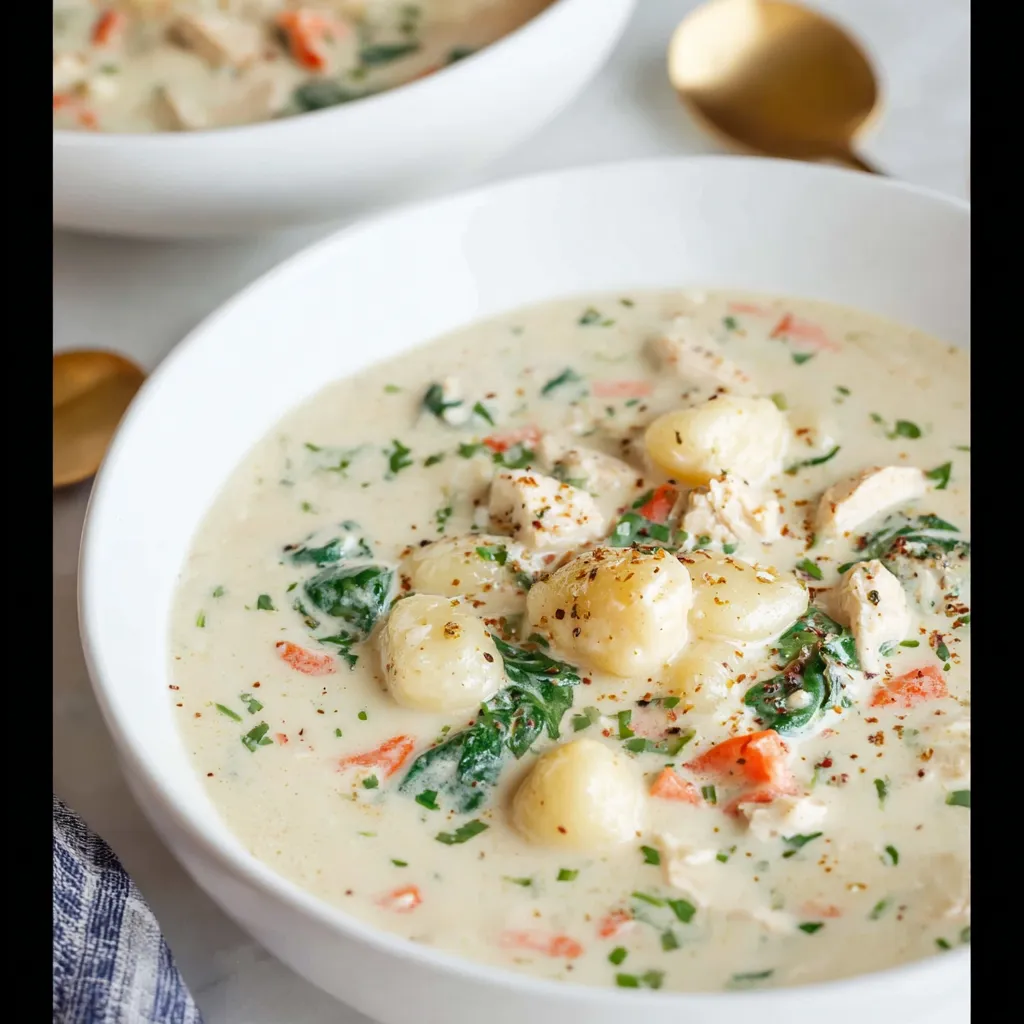
What’s the secret to transforming ordinary ingredients into a bowl of Chicken Gnocchi Soup that’s both comforting and bursting with flavor, every single time?
The Alchemist’s Kitchen: Unveiling the Soup’s Secrets
At its heart, Chicken Gnocchi Soup is a study in emulsion, starch hydration, and flavor layering. The creamy texture we crave comes from a delicate balance of broth, dairy (usually heavy cream or milk), and the starch released from the gnocchi as they cook. Overcook the gnocchi, and you end up with a gummy mess. Under-season, and the soup falls flat. The chicken provides a savory backbone, but the vegetables add crucial depth and complexity. The science lies in understanding how these elements interact.
Consider the gnocchi themselves. These small potato dumplings are essentially concentrated starch bombs. When introduced to hot liquid, that starch begins to swell and gelatinize. This thickening process is essential to the soup’s creamy consistency. However, different types of gnocchi (fresh, shelf-stable, frozen) release starch at different rates. Fresh gnocchi, often made with a higher potato content, tend to be more delicate and can easily disintegrate if overcooked. Shelf-stable gnocchi, on the other hand, often contain more preservatives and may require a longer cooking time to achieve the desired texture.
The dairy component is equally important. Adding cold milk or cream directly to a hot soup can cause it to curdle, resulting in an unappetizing texture. The solution? Tempering. Tempering involves gradually increasing the temperature of the dairy by adding small amounts of the hot broth to it before incorporating it into the soup. This prevents shock and ensures a smooth, creamy finish.
Finally, consider the flavor profile. Chicken Gnocchi Soup benefits from a technique called “flavor layering.” This involves building flavor gradually by sautéing aromatic vegetables like onions, carrots, and celery (mirepoix) in butter or olive oil before adding the broth. This process releases the vegetables’ essential oils, creating a flavorful foundation for the soup. The addition of herbs like thyme, rosemary, or parsley further enhances the complexity of the dish.
The Recipe: A Step-by-Step Guide to Gnocchi Nirvana
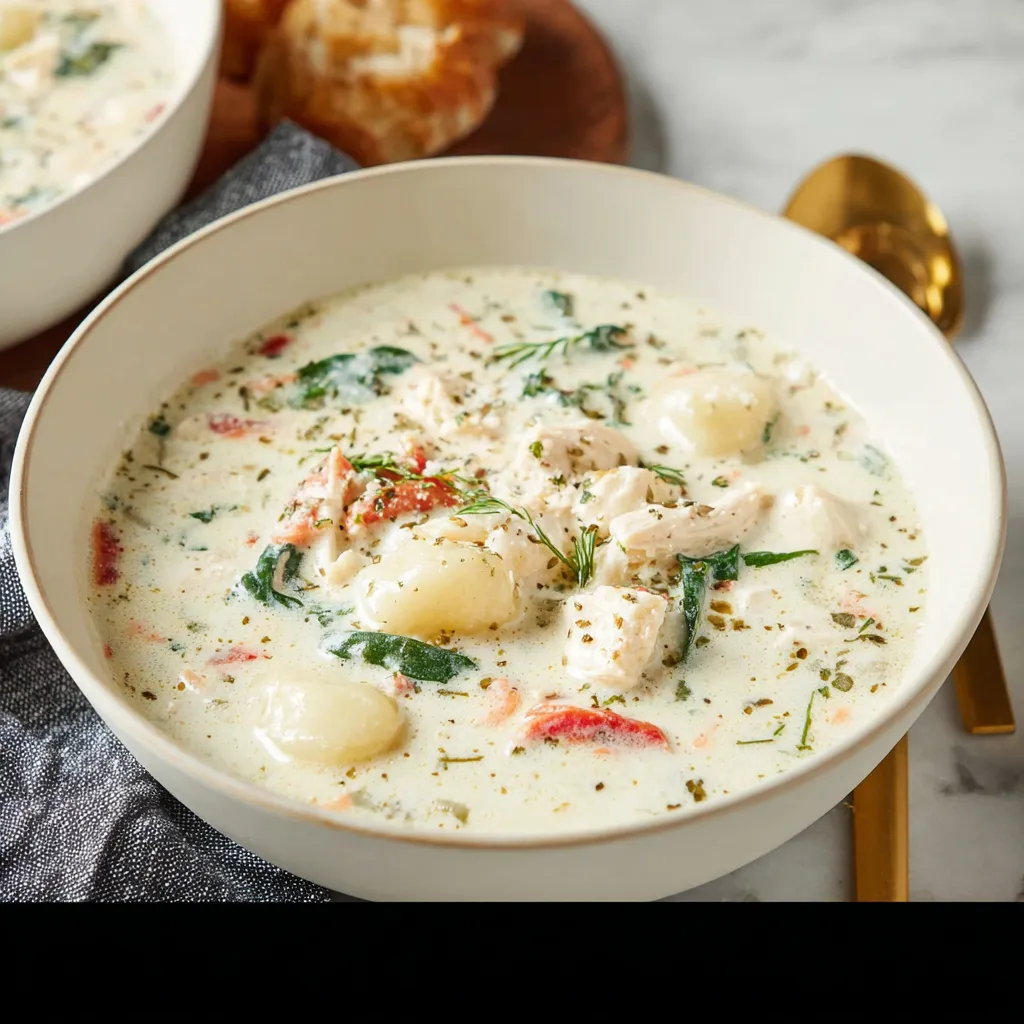
Ingredients:
- 1 tablespoon olive oil
- 1 cup chopped onion
- 1 cup chopped carrots
- 1 cup chopped celery
- 2 cloves garlic, minced
- 8 cups chicken broth
- 1 teaspoon dried Italian seasoning
- 1/2 teaspoon salt, or to taste
- 1/4 teaspoon black pepper, or to taste
- 2 cups cooked, shredded chicken
- 1 (16-ounce) package shelf-stable gnocchi
- 1 cup heavy cream
- 1/2 cup chopped fresh parsley
Instructions:
- Heat the olive oil in a large pot or Dutch oven over medium heat. Add the onion, carrots, and celery and cook until softened, about 5-7 minutes.
- Add the garlic and cook for 1 minute more, until fragrant.
- Pour in the chicken broth and stir in the Italian seasoning, salt, and pepper. Bring to a simmer.
- Add the shredded chicken and gnocchi to the pot. Cook until the gnocchi are tender and cooked through, about 3-5 minutes. Cooking time will vary depending on the type of gnocchi used.
- Reduce the heat to low. Gently stir in the heavy cream.
- Stir in the fresh parsley. Taste and adjust seasonings as needed.
- Serve hot and enjoy!
My Gnocchi Soup Odyssey: A Culinary Confessional
The Soggy Start: Gnocchi Gone Wrong
My first few attempts at Chicken Gnocchi Soup were a disaster. Like many of you, I initially thought you could just throw everything into a pot and hope for the best. I ended up with a gloppy, flavorless mess where the gnocchi had dissolved into a starchy sludge. The broth was thin, and the chicken was bland. Clearly, something had to change.
The Broth Breakthrough: Flavor Foundations
Then, I had an “Aha!” moment. I realized that the foundation of any great soup is the broth. I started experimenting with different broths, from store-bought bouillon to homemade chicken stock. The difference was night and day. Using a high-quality chicken broth, or better yet, making my own, added a depth of flavor that I couldn’t achieve with bouillon cubes. I also learned the importance of sautéing the vegetables properly to release their essential oils. This small step made a huge difference in the overall flavor of the soup.
The Gnocchi Gauntlet: Mastering the Dumplings
The next challenge was mastering the gnocchi. I tried using different types of gnocchi – fresh, shelf-stable, and frozen. Fresh gnocchi, while delicious, proved to be too delicate for the soup. They tended to fall apart easily, especially if I wasn’t careful with the cooking time. Frozen gnocchi were a bit more forgiving, but they often had a slightly gummy texture. Shelf-stable gnocchi, surprisingly, turned out to be the most reliable option. They held their shape well and cooked evenly, provided I didn’t overcook them. I also discovered that adding the gnocchi towards the end of the cooking process helped to prevent them from becoming mushy.
The Cream Conundrum: Avoiding Curdling Catastrophe
The creamy element was the final hurdle. My initial attempts to add heavy cream directly to the hot soup resulted in curdling. It was unappetizing and frustrating. That’s when I stumbled upon the technique of tempering. By gradually increasing the temperature of the cream before adding it to the soup, I was able to prevent curdling and achieve a smooth, velvety texture. This simple technique was a game-changer.
The Ultimate Chicken Revelation
Finally, I experimented with different ways to cook the chicken. Initially, I boiled the chicken directly in the soup, which resulted in bland, rubbery meat. A much better approach, I found, was to roast or bake the chicken separately and then shred it and add it to the soup. This gave the chicken a much more flavorful and tender texture. For a smoky twist, consider grilling the chicken. The Creamy Crockpot Chicken Gnocchi Soup is also an excellent option if you are looking for convenience with no compromise on the taste. It’s a set-it-and-forget-it method that delivers amazing results. Some people also like to try Italian Sausage Gnocchi Soup for a flavor variation.
The Foolproof Formula: A Step-by-Step to Soup Success
After countless experiments and a few culinary mishaps, I’ve developed a foolproof method for making Chicken Gnocchi Soup that’s guaranteed to impress. Here’s the technique:
- Build a Flavorful Base: Sauté diced onions, carrots, and celery in olive oil or butter until softened. Add minced garlic and cook until fragrant.
- Choose the Right Broth: Use a high-quality chicken broth or homemade chicken stock for the best flavor.
- Season Generously: Don’t be afraid to season the soup liberally with salt, pepper, Italian seasoning, and other herbs to taste.
- Cook the Chicken Separately: Roast, bake, or grill the chicken before adding it to the soup for maximum flavor and tenderness.
- Add the Gnocchi Last: Add the gnocchi towards the end of the cooking process to prevent them from becoming mushy. Remember the cooking time will vary depending on the type of gnocchi used. The Chicken Gnocchi Soup recipe has some great tips about the gnocchi.
- Temper the Cream: Gradually increase the temperature of the heavy cream by adding small amounts of the hot broth to it before incorporating it into the soup to prevent curdling.
- Garnish and Serve: Garnish the soup with fresh parsley and serve hot.
- Consider Alternatives: If you like something similar, but with pasta, you might consider Chicken Tortellini Soup or Dutch Oven Tortellini Soup Sausage.
What’s the key to achieving a creamy texture in Chicken Gnocchi Soup without curdling the dairy?
The key is to temper the cream. This involves gradually increasing the temperature of the heavy cream by adding small amounts of the hot broth to it before incorporating it into the soup. This prevents shock and ensures a smooth, creamy finish.
Why is it important to sauté the vegetables (onion, carrots, celery) before adding the broth?
Sautéing the aromatic vegetables (mirepoix) in butter or olive oil releases their essential oils, creating a flavorful foundation for the soup. This technique of flavor layering is crucial for a delicious and complex flavor profile.
What type of gnocchi is recommended for Chicken Gnocchi Soup, and why?
Shelf-stable gnocchi are recommended as they tend to hold their shape well and cook evenly, provided they are not overcooked. Fresh gnocchi can be too delicate and fall apart easily, while frozen gnocchi may have a slightly gummy texture.
Why should I cook the chicken separately instead of boiling it directly in the soup?
Cooking the chicken separately, such as by roasting, baking, or grilling, results in a much more flavorful and tender texture compared to boiling it directly in the soup, which can lead to bland, rubbery meat.