
The Alchemy of Lo Mein: A Scientific Breakdown
The magic of truly great Beef and Broccoli Lo Mein lies in a careful balance of several key components, each playing a critical role in the final result. First, we need to understand the noodles themselves. Lo Mein noodles are typically made from wheat flour and eggs, giving them a slightly chewy texture and rich flavor. Overcooking them leads to a gummy, undesirable consistency. Then comes the beef. Tenderness is paramount. Tough cuts, however flavorful, will ruin the entire dish. Broccoli, often an afterthought, needs to retain some crispness and vibrant green color. Finally, and perhaps most importantly, is the sauce. It’s a delicate interplay of sweet, savory, and umami flavors that coats every strand and morsel, bringing the whole dish together. Achieving that wok hei, the smoky, slightly charred flavor that elevates Lo Mein from good to extraordinary, requires high heat and quick cooking, encouraging Maillard reaction – the browning of proteins and sugars – which creates hundreds of flavorful compounds.The Ultimate Beef and Broccoli Lo Mein Recipe
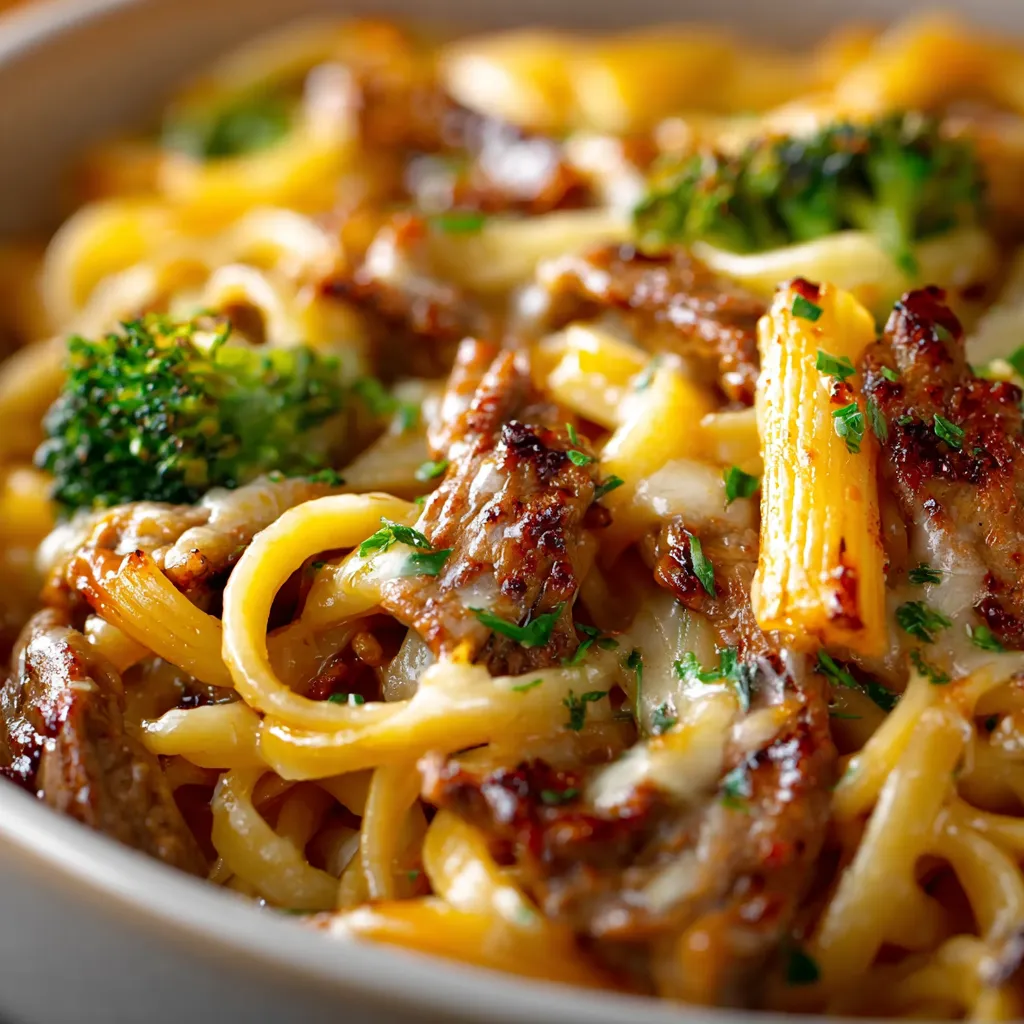 This recipe is the culmination of countless experiments, failed attempts, and “Aha!” moments. It prioritizes speed, flavor, and that elusive wok hei.
Ingredients:
- For the Beef:
- 1 pound flank steak, thinly sliced against the grain
- 1 tablespoon soy sauce
- 1 tablespoon cornstarch
- 1 teaspoon sesame oil
- 1/2 teaspoon black pepper
- For the Broccoli:
- 1 large head of broccoli, cut into florets
- 1 tablespoon vegetable oil
- 1 clove garlic, minced
- For the Lo Mein Noodles:
- 1 pound fresh Lo Mein noodles (or dried, cooked according to package directions)
- 1 tablespoon vegetable oil
- For the Sauce:
- 1/4 cup soy sauce
- 2 tablespoons oyster sauce
- 2 tablespoons brown sugar
- 1 tablespoon cornstarch
- 1 tablespoon rice vinegar
- 1 teaspoon sesame oil
- 1/2 cup chicken broth
- 1 teaspoon grated ginger
- 2 cloves garlic, minced
- 1/4 teaspoon red pepper flakes (optional)
Instructions:
- Prepare the Beef: In a medium bowl, combine the sliced steak with soy sauce, cornstarch, sesame oil, and black pepper. Marinate for at least 15 minutes (or up to 2 hours in the refrigerator).
- Blanch the Broccoli: Bring a pot of salted water to a boil. Add the broccoli florets and cook for 2-3 minutes, until bright green and slightly tender-crisp. Drain immediately and rinse with cold water to stop the cooking process. Set aside.
- Prepare the Sauce: In a small bowl, whisk together soy sauce, oyster sauce, brown sugar, cornstarch, rice vinegar, sesame oil, chicken broth, ginger, garlic, and red pepper flakes (if using). Set aside.
- Cook the Beef: Heat 1 tablespoon of vegetable oil in a large wok or skillet over high heat. Add the marinated beef and cook in a single layer (work in batches if necessary) until browned and cooked through, about 2-3 minutes per side. Remove the beef from the wok and set aside.
- Cook the Broccoli: Add another tablespoon of vegetable oil to the wok. Add the minced garlic and cook for 30 seconds, until fragrant. Add the blanched broccoli florets and stir-fry for 2-3 minutes, until heated through and slightly softened.
- Combine and Simmer: Return the cooked beef to the wok with the broccoli. Pour the sauce over the beef and broccoli and bring to a simmer, stirring constantly until the sauce has thickened, about 1-2 minutes.
- Add the Noodles: Add the cooked Lo Mein noodles to the wok and toss everything together until the noodles are evenly coated with the sauce.
- Serve: Serve immediately, garnished with sesame seeds or chopped scallions, if desired.
The Investigation: My Lo Mein Odyssey
My quest for the perfect Beef and Broccoli Lo Mein started, as many do, with a craving and a takeout menu. My first few attempts were a disaster. The noodles were mushy, the beef was tough, and the sauce tasted like a watery imitation of the real thing. I was clearly missing something fundamental.The Noodle Nightmare
Like many of you, I initially thought dried noodles were an acceptable substitute for fresh. Big mistake. Dried noodles, even when cooked perfectly according to the package directions, lacked the chewiness and slightly richer flavor of fresh Lo Mein. They tended to absorb too much sauce, resulting in a gloppy mess. The “Aha!” moment came when I finally sourced fresh Lo Mein noodles from a local Asian market. The difference was night and day.The Beef Blunder
Early attempts involved whatever cut of beef happened to be on sale. Predictably, the results were chewy and unappetizing. Then, I started experimenting with flank steak, thinly sliced against the grain. Marinating the beef in soy sauce, cornstarch, and sesame oil before cooking made a world of difference. The cornstarch acted as a tenderizer and helped to create a beautiful sear, while the soy sauce and sesame oil added depth of flavor.The Sauce Struggle
The sauce was perhaps the most challenging aspect of the entire endeavor. My initial attempts were too sweet, too salty, or simply lacking in flavor. I tried various combinations of soy sauce, oyster sauce, brown sugar, and vinegar, but nothing seemed quite right. The key, I discovered, was to balance the sweet, savory, and acidic elements and to use a touch of cornstarch to thicken the sauce to the perfect consistency. Adding a small amount of chicken broth helped to create a more complex and nuanced flavor profile.The Wok Hei Holy Grail
Achieving that elusive wok hei proved to be the most difficult challenge of all. My home stove simply couldn’t generate the intense heat needed to replicate the flavors of a professional wok burner. I tried using a cast iron skillet, which helped to retain heat, but it still wasn’t quite the same. The closest I’ve come to replicating that smoky flavor is to use a very hot wok, cook the ingredients in small batches, and avoid overcrowding the pan.The Technique: A Foolproof Method for Perfect Lo Mein
After numerous trials and errors, I’ve distilled the process down to these key steps:- Source Fresh Noodles: Fresh Lo Mein noodles are essential for achieving the desired texture and flavor.
- Marinate the Beef: Marinating the beef in soy sauce, cornstarch, and sesame oil tenderizes the meat and adds flavor.
- Blanch the Broccoli: Blanching the broccoli ensures that it retains its vibrant green color and slightly crisp texture.
- Prepare the Sauce in Advance: Having the sauce ready to go makes the cooking process much smoother and faster.
- Use High Heat: Cook the beef and broccoli over high heat to achieve a good sear and that elusive wok hei.
- Cook in Small Batches: Avoid overcrowding the wok or skillet, as this will lower the temperature and prevent the ingredients from browning properly.
- Don’t Overcook the Noodles: Add the cooked noodles to the wok at the very end and toss gently until they are evenly coated with the sauce.
- Serve Immediately: Lo Mein is best served immediately, while the noodles are still hot and the sauce is glossy.
Why is homemade Lo Mein often not as good as takeout?
Homemade Lo Mein often falls short because of issues like blandness, soggy noodles, or lacking the ‘wok hei’ flavor. Achieving the right balance of flavors, proper noodle texture, tender beef, and high-heat cooking are all crucial for takeout-level deliciousness.
What kind of noodles are best for Beef and Broccoli Lo Mein?
Fresh Lo Mein noodles are essential for the best texture and flavor. Dried noodles can be used, but they tend to absorb too much sauce and lack the desired chewiness.
What is ‘wok hei’ and how can I achieve it at home?
Wok hei is the smoky, slightly charred flavor that elevates Lo Mein. It’s achieved through high heat and quick cooking, which promotes the Maillard reaction. To replicate it at home, use a very hot wok or cast iron skillet, cook in small batches, and avoid overcrowding the pan.
Why is it important to marinate the beef before cooking?
Marinating the beef in soy sauce, cornstarch, and sesame oil tenderizes the meat, adds flavor, and helps to create a beautiful sear when cooked.
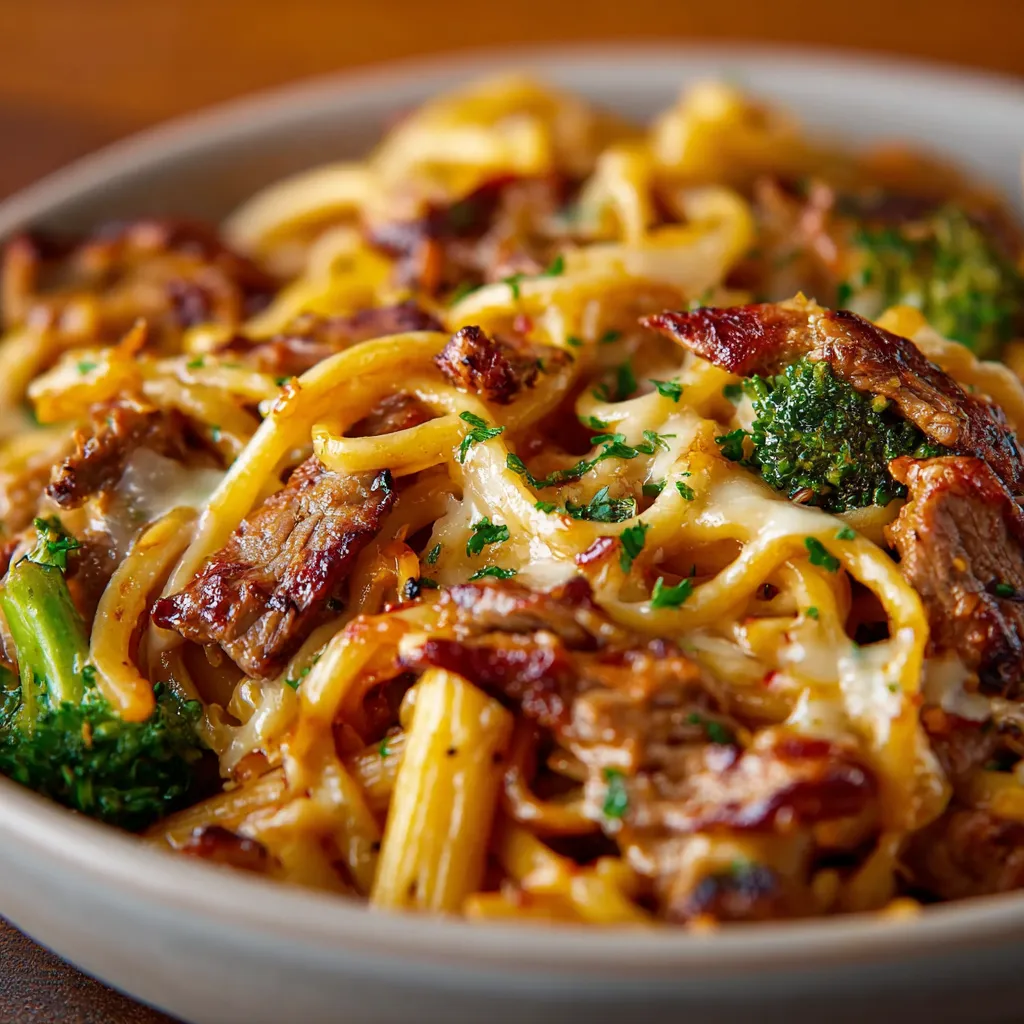
Easy Beef and Broccoli Lo Mein
Ingredients
Equipment
Method
- Prepare the Beef: In a medium bowl, combine the sliced steak with 1 tablespoon soy sauce, 1 tablespoon cornstarch, 1 teaspoon sesame oil, and 1/2 teaspoon black pepper. Marinate for at least 15 minutes (or up to 2 hours in the refrigerator).
- Blanch the Broccoli: Bring a pot of salted water to a boil. Add the broccoli florets and cook for 2-3 minutes, until bright green and slightly tender-crisp. Drain immediately and rinse with cold water to stop the cooking process. Set aside.
- Prepare the Sauce: In a small bowl, whisk together 1/4 cup soy sauce, 2 tablespoons oyster sauce, 2 tablespoons brown sugar, 1 tablespoon cornstarch, 1 tablespoon rice vinegar, 1 teaspoon sesame oil, 1/2 cup chicken broth, 1 teaspoon grated ginger, 2 cloves minced garlic, and 1/4 teaspoon red pepper flakes (if using). Set aside.
- Cook the Beef: Heat 1 tablespoon of vegetable oil in a large wok or skillet over high heat. Add the marinated beef and cook in a single layer (work in batches if necessary) until browned and cooked through, about 2-3 minutes per side. Remove the beef from the wok and set aside.
- Cook the Broccoli: Add another tablespoon of vegetable oil to the wok. Add the minced garlic and cook for 30 seconds, until fragrant. Add the blanched broccoli florets and stir-fry for 2-3 minutes, until heated through and slightly softened.
- Combine and Simmer: Return the cooked beef to the wok with the broccoli. Pour the sauce over the beef and broccoli and bring to a simmer, stirring constantly until the sauce has thickened, about 1-2 minutes.
- Add the Noodles: Add the cooked Lo Mein noodles to the wok and toss everything together until the noodles are evenly coated with the sauce.
- Serve: Serve immediately, garnished with sesame seeds or chopped scallions, if desired.