
Unlocking Umami: The Science Behind Slow-Cooked Stew
The magic of a truly exceptional beef stew hinges on three key scientific principles: the Maillard reaction, collagen breakdown, and flavor concentration. The Maillard reaction, that browning process responsible for hundreds of flavor compounds, is often overlooked in slow cooking, yet it’s critical. Searing the beef before it enters the crockpot is non-negotiable. This initial browning creates those complex, savory notes that are foundational to a rich stew. Collagen breakdown is the second pillar. Tough cuts of beef, like chuck roast, are packed with collagen, a protein that, when slowly cooked at low temperatures in a moist environment, transforms into gelatin. Gelatin imparts a silky, luxurious texture to the stew and contributes significantly to its mouthfeel. Finally, flavor concentration is paramount. Unlike stovetop stews where evaporation can be carefully controlled, crockpots tend to trap moisture. This can lead to a diluted, watery stew if not addressed properly. Reducing the liquid after slow cooking is crucial to intensifying the flavors and achieving that desired depth.The Holy Grail: My Crockpot Beef Stew Recipe
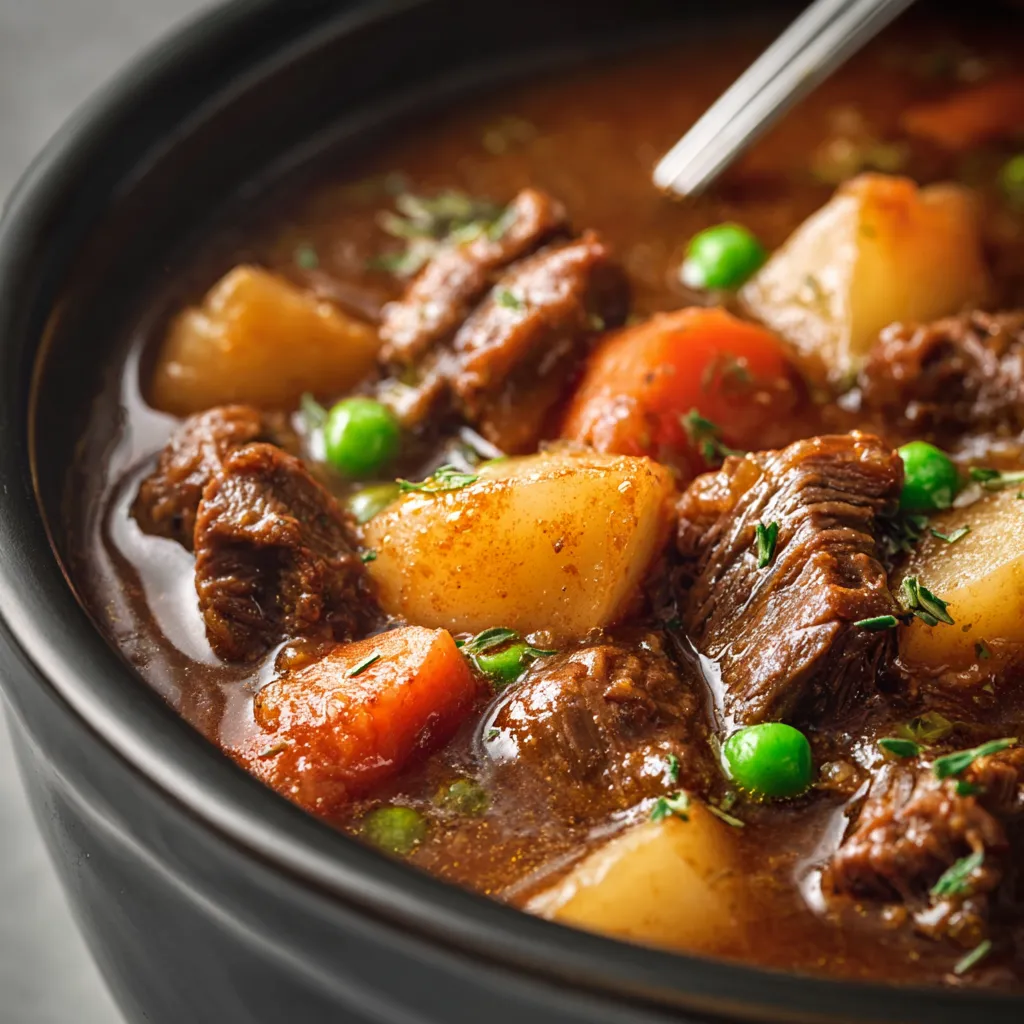 Here’s the recipe I’ve honed over countless experiments, designed to exploit these scientific principles to their fullest potential:
Ingredients:
- 2 lbs chuck roast, cut into 1-inch cubes
- 2 tbsp olive oil
- 1 large onion, chopped
- 2 carrots, peeled and chopped
- 2 celery stalks, chopped
- 4 cloves garlic, minced
- 1 tbsp tomato paste
- 1 tsp dried thyme
- 1/2 tsp dried rosemary
- 1 bay leaf
- 4 cups beef broth
- 1 cup dry red wine (optional, but highly recommended)
- 1 lb Yukon Gold potatoes, peeled and cubed
- 1 cup frozen peas
- 2 tbsp cornstarch (or tapioca starch)
- 2 tbsp cold water
- Salt and pepper to taste
Instructions:
- Sear the Beef: Pat the beef cubes dry with paper towels. Season generously with salt and pepper. Heat olive oil in a large skillet over medium-high heat. Sear the beef in batches until browned on all sides. Do not overcrowd the pan; searing in batches ensures proper browning. Transfer the seared beef to the crockpot.
- Sauté Aromatics: Add the chopped onion, carrots, and celery to the skillet. Cook until softened, about 5-7 minutes. Add the minced garlic and cook for another minute until fragrant. Stir in the tomato paste, thyme, and rosemary. Cook for 1 minute more, stirring constantly.
- Deglaze the Pan: Pour in the red wine (if using) and scrape up any browned bits from the bottom of the skillet. This adds a ton of flavor!
- Combine Ingredients: Pour the contents of the skillet into the crockpot with the beef. Add the beef broth and bay leaf.
- Slow Cook: Cover and cook on low for 8-10 hours or on high for 4-5 hours, or until the beef is fork-tender.
- Add Potatoes: Add the cubed potatoes to the crockpot during the last 2 hours of cooking.
- Thicken the Stew: In a small bowl, whisk together the cornstarch (or tapioca starch) and cold water to create a slurry. Stir the slurry into the crockpot. Cook on high for another 15-20 minutes, or until the stew has thickened to your desired consistency.
- Add Peas: Stir in the frozen peas during the last 5 minutes of cooking.
- Season and Serve: Remove the bay leaf. Taste and adjust seasoning with salt and pepper as needed. Serve hot, garnished with fresh parsley, if desired.
My Quest for the Perfect Crockpot Stew: An Investigation
My first few attempts were a disaster. The beef was tough, the broth was bland, and the vegetables were mushy. I was ready to throw in the towel and declare crockpot beef stew an inherently flawed concept. But I’m not one to back down from a culinary challenge. I decided to approach the problem systematically, experimenting with different variables until I unlocked the secrets to success.The Browning Breakthrough
Like many of you, I initially thought searing the beef was optional. After all, it was going to cook for hours in the crockpot, right? Wrong! The difference between seared and unseared beef was night and day. The seared beef imparted a depth of flavor that unseared beef simply couldn’t match. This was my first “Aha!” moment. The Maillard reaction was absolutely critical.Taming the Toughness
My next challenge was achieving that melt-in-your-mouth tenderness. I tried different cuts of beef, different cooking times, and different levels of liquid. The solution, I discovered, was twofold: using chuck roast (with its generous amount of collagen) and allowing ample time for the collagen to break down. Low and slow was the key.Battling the Blandness
Even with the seared beef and the tender texture, my stew was still lacking that certain *je ne sais quoi*. It tasted… flat. I experimented with different herbs, spices, and vegetables. Then, I had another “Aha!” moment: tomato paste and red wine. Sautéing tomato paste with the aromatics before adding it to the crockpot intensified its flavor and added a subtle sweetness. And the red wine? It added a depth and complexity that I never thought possible in a crockpot stew. Deglazing the pan with the wine was essential to capturing all those browned bits and flavor.The Watery Woes
My final hurdle was the watery consistency. No matter what I did, my stew always seemed to end up too thin. I tried reducing the amount of liquid, but then the beef would dry out. The solution, I realized, was to thicken the stew at the end with a cornstarch or tapioca starch slurry. This allowed me to control the consistency without sacrificing flavor or moisture.The Foolproof Crockpot Beef Stew Technique: 5 Steps to Success
After all my experiments, I’ve distilled the process down to five essential steps for creating a truly exceptional crockpot beef stew:- Sear the Beef: Don’t skip this step! It’s crucial for developing depth of flavor.
- Sauté Aromatics: Sautéing the onions, carrots, celery, and garlic before adding them to the crockpot softens them and enhances their flavor.
- Low and Slow: Cook the stew on low heat for a longer period of time to allow the collagen in the beef to break down and create that melt-in-your-mouth texture.
- Thicken at the End: Use a cornstarch or tapioca starch slurry to thicken the stew to your desired consistency.
- Taste and Adjust: Don’t be afraid to taste and adjust the seasoning as needed. A little extra salt, pepper, or herbs can make all the difference.
Why is it important to sear the beef before putting it in the crockpot?
Searing the beef is crucial because it initiates the Maillard reaction, which creates hundreds of flavor compounds that add depth and savory notes to the stew. Without searing, the beef will lack this complex flavor.
What is the best cut of beef to use for crockpot beef stew, and why?
Chuck roast is the best cut because it contains a generous amount of collagen. When cooked slowly at low temperatures, the collagen breaks down into gelatin, which gives the stew a silky, luxurious texture and contributes to its mouthfeel.
Why does the recipe call for thickening the stew at the end, and how is it done?
Crockpots trap moisture, which can lead to a watery stew. Thickening at the end, using a cornstarch or tapioca starch slurry, allows you to control the consistency without sacrificing flavor or moisture. The slurry is made by whisking cornstarch or tapioca starch with cold water and then stirring it into the stew during the last 15-20 minutes of cooking.
Is red wine really necessary in the crockpot beef stew?
While optional, the recipe highly recommends using dry red wine because it adds a depth and complexity of flavor to the stew that is difficult to achieve otherwise. Deglazing the pan with the wine is essential to capture all the browned bits and flavor.
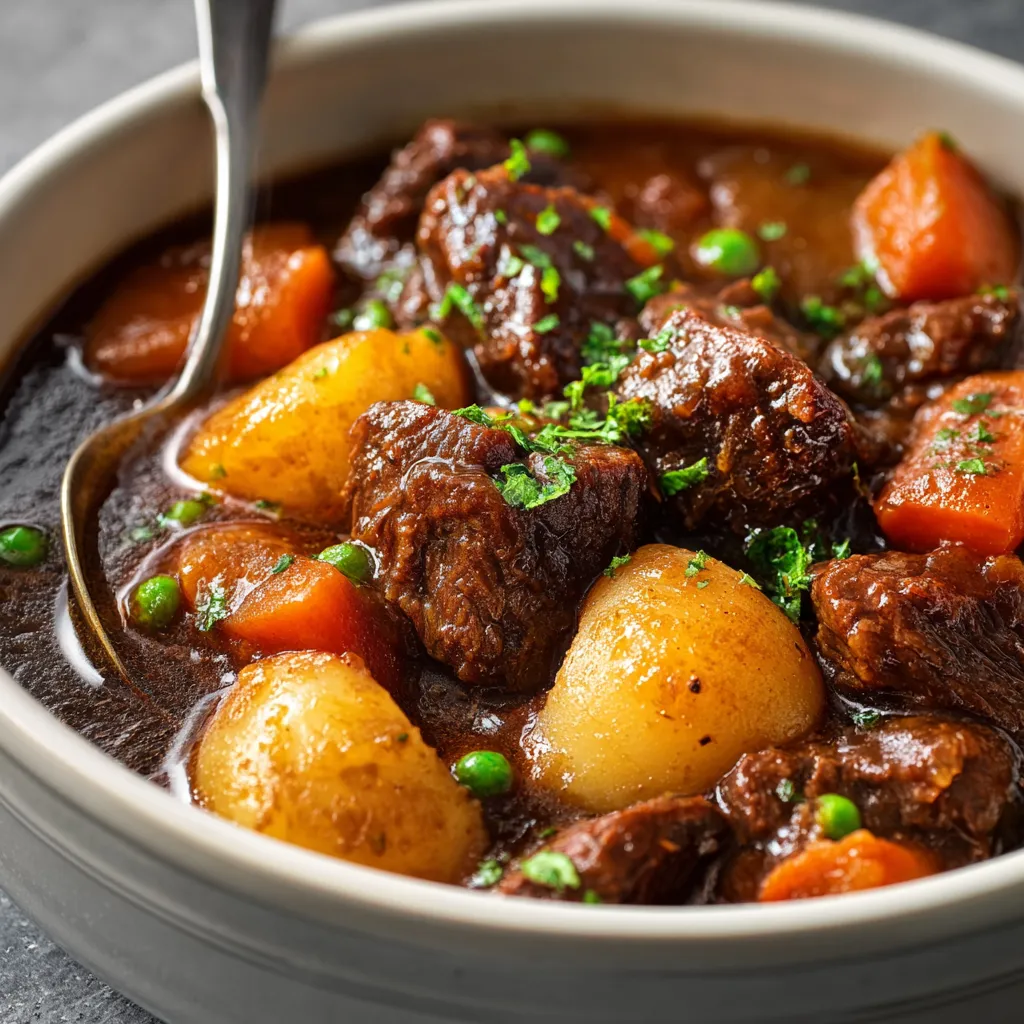
Crockpot Beef Stew Easy
Ingredients
Equipment
Method
- Pat the beef cubes dry with paper towels. Season generously with salt and pepper.
- Heat olive oil in a large skillet over medium-high heat.
- Sear the beef in batches until browned on all sides. Do not overcrowd the pan.
- Transfer the seared beef to the crockpot.
- Add the chopped onion, carrots, and celery to the skillet. Cook until softened, about 5-7 minutes.
- Add the minced garlic and cook for another minute until fragrant.
- Stir in the tomato paste, thyme, and rosemary. Cook for 1 minute more, stirring constantly.
- Pour in the red wine (if using) and scrape up any browned bits from the bottom of the skillet.
- Pour the contents of the skillet into the crockpot with the beef.
- Add the beef broth and bay leaf.
- Cover and cook on low for 8-10 hours or on high for 4-5 hours, or until the beef is fork-tender.
- Add the cubed potatoes to the crockpot during the last 2 hours of cooking.
- In a small bowl, whisk together the cornstarch and cold water to create a slurry.
- Stir the slurry into the crockpot. Cook on high for another 15-20 minutes, or until the stew has thickened to your desired consistency.
- Stir in the frozen peas during the last 5 minutes of cooking.
- Remove the bay leaf. Taste and adjust seasoning with salt and pepper as needed.
- Serve hot, garnished with fresh parsley, if desired.