
Deciphering the Cream: The Science of Smothered Perfection
The allure of creamy smothered chicken and rice stems from its texture: a luscious, velvety sauce enveloping tender chicken and fluffy rice. But achieving this isn’t just about dumping cream into a pan. It’s about understanding the principles of emulsion stability, starch gelatinization, and protein coagulation. The sauce, at its heart, is an emulsion – a suspension of fat in water (or water-based liquid). In this case, butter or oil (from cooking the chicken) and chicken broth (or cream) need to be coaxed into a stable union. An emulsifier, like flour (in a roux), helps bridge the gap between these disparate liquids, preventing them from separating. Get the roux wrong (too little flour, burnt butter), and the sauce will be greasy and thin. The rice’s role is equally crucial. As rice cooks, starch granules absorb water and swell, a process called gelatinization. This creates a tender, slightly sticky texture that readily soaks up the sauce. Overcooked rice becomes mushy, while undercooked rice remains firm and resists absorption. The starch in the rice also contributes to thickening the sauce slightly. Finally, protein coagulation is key to tender chicken. Cooking chicken at the right temperature denatures the proteins, causing them to unwind and then re-bond, creating a firm but juicy texture. Overcook it, and those proteins squeeze out all the moisture, resulting in dry, stringy chicken. Finding that sweet spot is paramount.The Creamy Smothered Chicken and Rice Recipe: A Scientific Approach
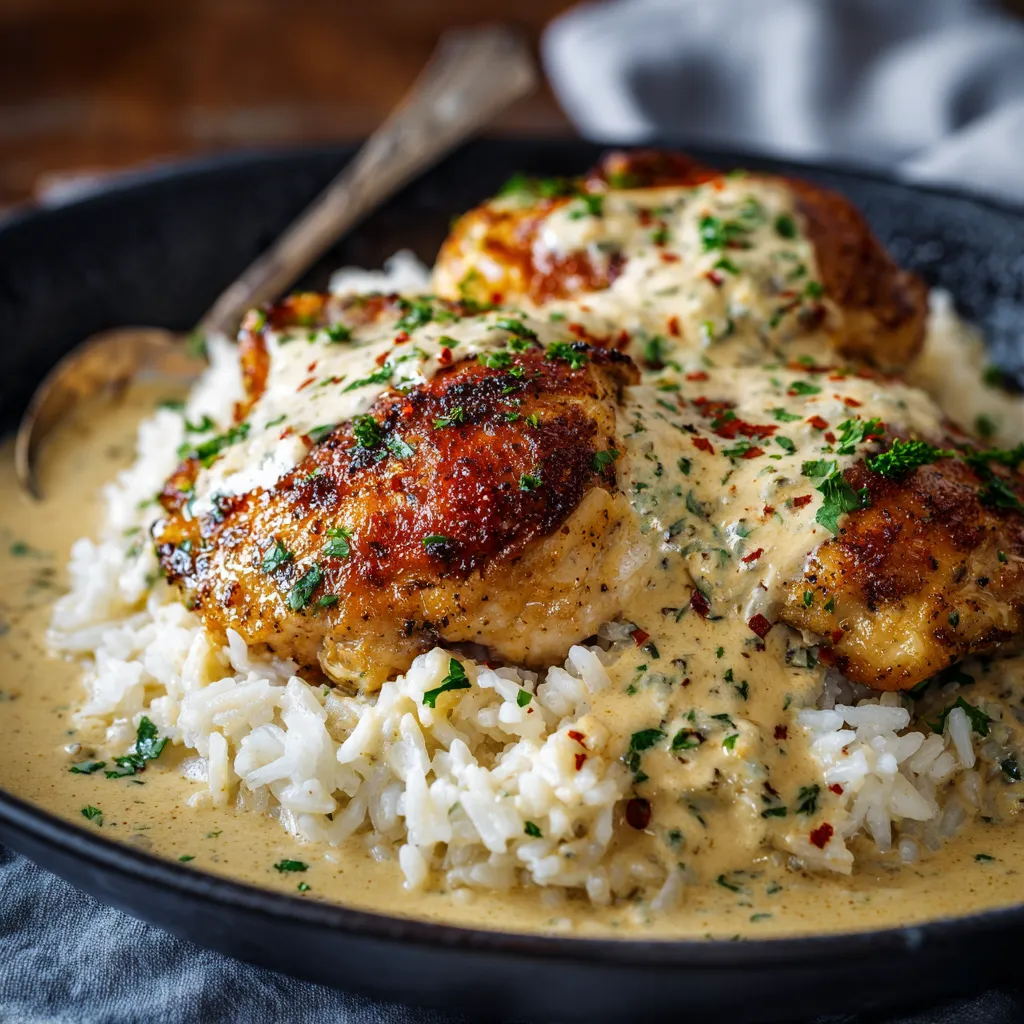 This recipe outlines the method I finally perfected after numerous trials and errors.
Ingredients:
- Chicken: 1.5 lbs boneless, skinless chicken thighs, cut into 1-inch pieces
- Rice: 1 cup long-grain white rice
- Chicken Broth: 2 cups (plus extra for adjusting consistency)
- Heavy Cream: 1 cup
- Onion: 1 medium, chopped
- Garlic: 2 cloves, minced
- All-Purpose Flour: 2 tablespoons
- Butter: 2 tablespoons
- Olive Oil: 1 tablespoon
- Spices: 1 teaspoon smoked paprika, 1/2 teaspoon garlic powder, 1/2 teaspoon onion powder, 1/4 teaspoon dried thyme, salt and pepper to taste
- Optional: 1/4 cup chopped fresh parsley, for garnish
Equipment:
- Large skillet with lid
- Medium saucepan
Instructions:
- Prepare the Chicken: Pat the chicken pieces dry with paper towels. This helps with browning. Season generously with salt, pepper, smoked paprika, garlic powder, onion powder, and dried thyme.
- Sear the Chicken: Heat olive oil in the large skillet over medium-high heat. Add the chicken in a single layer (work in batches if necessary) and sear for 2-3 minutes per side, until golden brown. Remove the chicken from the skillet and set aside. Do not fully cook the chicken at this stage; it will finish cooking in the sauce.
- Sauté Aromatics: Reduce the heat to medium. Add butter to the skillet and let it melt. Add the chopped onion and cook until softened and translucent, about 5 minutes. Add the minced garlic and cook for another minute until fragrant.
- Make the Roux: Sprinkle the flour over the onion and garlic. Cook, stirring constantly, for 1-2 minutes, until the flour is lightly golden. This is crucial for thickening the sauce. Avoid burning the flour.
- Add Broth and Cream: Gradually whisk in the chicken broth, making sure to scrape up any browned bits from the bottom of the skillet. Bring the mixture to a simmer, stirring constantly, until it begins to thicken. Stir in the heavy cream and reduce heat to low.
- Simmer the Chicken: Return the seared chicken to the skillet. Cover the skillet and simmer for 15-20 minutes, or until the chicken is cooked through and tender. The internal temperature should reach 165°F (74°C).
- Cook the Rice: While the chicken is simmering, cook the rice according to package directions. Typically, this involves bringing 2 cups of water to a boil in the saucepan, adding the rice, reducing the heat to low, covering, and simmering for 15-20 minutes, or until all the water is absorbed.
- Adjust Consistency: If the sauce is too thick, add a little more chicken broth until it reaches your desired consistency. Season with additional salt and pepper to taste.
- Serve: Spoon the cooked rice onto plates. Top with the creamy smothered chicken and sauce. Garnish with chopped fresh parsley, if desired.
My Smothered Chicken Saga: A Culinary Investigation
My journey to creamy smothered chicken and rice perfection wasn’t a straight line. My first few attempts were a disaster: either the sauce was thin and watery, or the chicken was dry and overcooked. Then, I had an “Aha!” moment – it was all about understanding the individual components and how they interacted.The Roux Revelation
Initially, I underestimated the importance of the roux. Like many of you, I initially thought it was just a way to add a little thickness. My first few sauces were thin and separated. I tried adding more flour, which resulted in a pasty, unpleasant taste. Then, I realized the key was cooking the flour properly with the butter – allowing it to toast and develop a nutty flavor, which not only thickened the sauce but also added depth.The Chicken Conundrum
Achieving tender chicken was another hurdle. My first attempts resulted in dry, stringy chicken, even though I was following the recipe instructions. I realized the problem wasn’t necessarily the cooking time, but the initial searing. By searing the chicken quickly over high heat, I was able to lock in the juices and prevent it from drying out during the simmering process. Using chicken thighs instead of breasts also made a huge difference, as they are more forgiving and retain more moisture.The Rice Riddle
The rice initially felt like an afterthought, but it played a crucial role in the overall dish. I initially used instant rice, which resulted in a mushy, unpleasant texture. Switching to long-grain white rice, cooked properly, provided the perfect textural contrast to the creamy sauce and tender chicken. I also experimented with different types of rice, like basmati and jasmine, but found that long-grain white rice held up best to the sauce.The Spice Spectrum
The final piece of the puzzle was the spice blend. I initially used a generic poultry seasoning, which lacked depth and complexity. Experimenting with smoked paprika, garlic powder, onion powder, and dried thyme elevated the dish to a whole new level. The smoked paprika added a subtle smokiness that complemented the richness of the sauce, while the garlic and onion powder provided a savory base. The dried thyme added a touch of herbaceousness that balanced the other flavors.The Foolproof Smothered Chicken Method: A Step-by-Step Guide
After countless experiments, I’ve distilled the process into a foolproof method. Follow these steps, and you’ll achieve creamy smothered chicken and rice perfection every time.- Prep Like a Pro: Cut your chicken into uniform pieces and season generously. This ensures even cooking and maximum flavor penetration.
- Sear, Don’t Cook: Sear the chicken over high heat to lock in the juices. Don’t overcrowd the pan; work in batches if necessary.
- Master the Roux: Cook the flour with the butter until it’s lightly golden and fragrant. This is the foundation of a smooth, creamy sauce.
- Simmer, Don’t Boil: Simmer the chicken in the sauce over low heat. This allows the flavors to meld together and prevents the chicken from drying out.
- Taste and Adjust: Don’t be afraid to taste the sauce and adjust the seasoning as needed. A little extra salt or pepper can make all the difference.
- Rice Right: Use long-grain white rice and cook it according to package directions. Avoid overcooking the rice, as this will result in a mushy texture.
- Patience is Key: Allow the chicken to simmer in the sauce for the full cooking time. This ensures that it’s cooked through and tender.
- Garnish with Flair: Garnish with chopped fresh parsley for a pop of color and freshness.
What is the key to achieving a creamy sauce instead of a thin, watery one?
The key is understanding the importance of the roux. Cook the flour properly with the butter until it’s lightly golden and fragrant. This toasts the flour, developing a nutty flavor and thickening the sauce properly.
How do you prevent the chicken from becoming dry and overcooked?
Sear the chicken quickly over high heat to lock in the juices before simmering it in the sauce. Using chicken thighs instead of breasts also helps, as they are more forgiving and retain more moisture.
Why is long-grain white rice recommended over other types of rice for this dish?
Long-grain white rice provides the perfect textural contrast to the creamy sauce and tender chicken. It holds up best to the sauce and avoids becoming mushy like instant rice.
What is the ideal internal temperature for the chicken to be considered fully cooked?
The internal temperature of the chicken should reach 165°F (74°C) to be considered fully cooked.
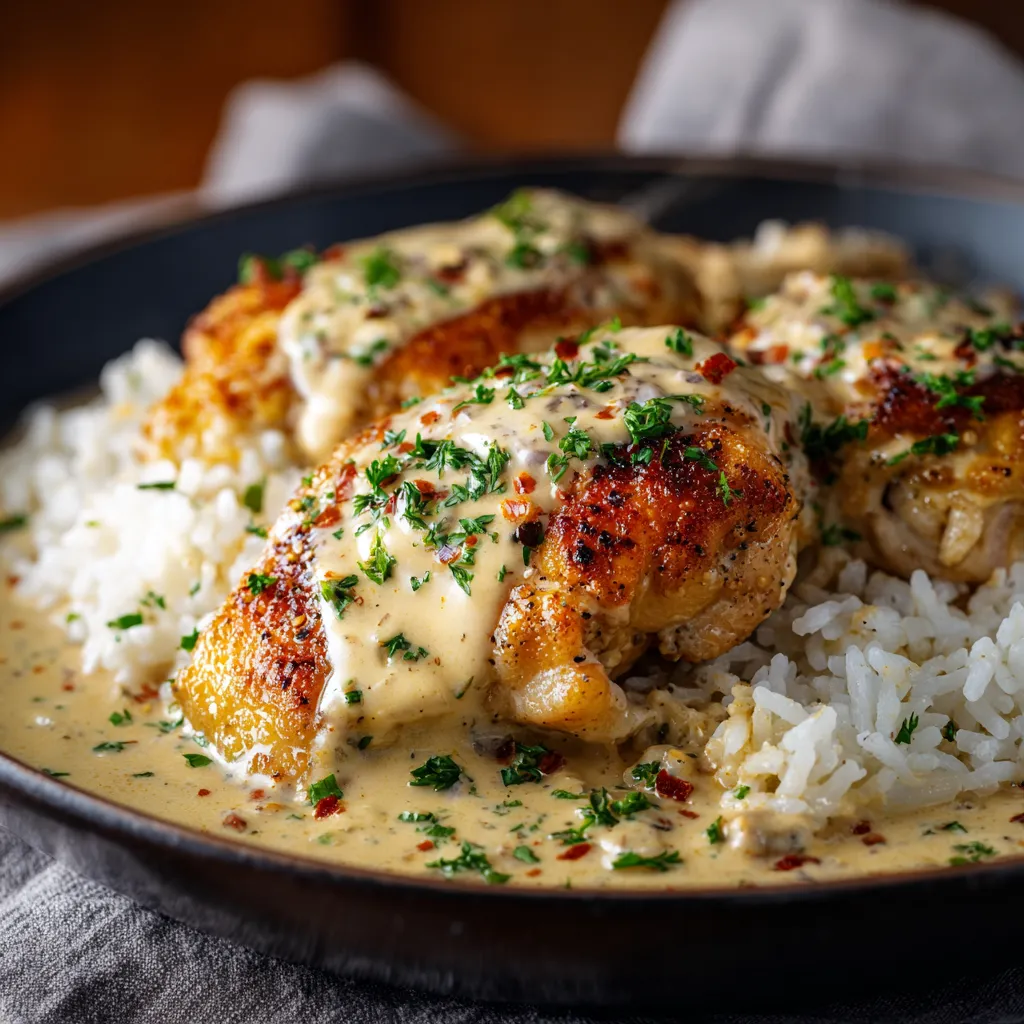
Creamy Smothered Chicken and Rice Ultimate
This ultimate creamy smothered chicken and rice recipe delivers tender chicken in a luscious, velvety sauce served over fluffy rice. By mastering the roux and searing the chicken properly, you can achieve weeknight comfort food perfection. Garnish with fresh parsley for a pop of freshness.
Ingredients
Equipment
Method
- Pat the chicken pieces dry with paper towels. Season generously with salt, pepper, smoked paprika, garlic powder, onion powder, and dried thyme.
- Heat olive oil in the large skillet over medium-high heat. Add the chicken in a single layer (work in batches if necessary) and sear for 2-3 minutes per side, until golden brown. Remove the chicken from the skillet and set aside. Do not fully cook the chicken at this stage; it will finish cooking in the sauce.
- Reduce the heat to medium. Add butter to the skillet and let it melt. Add the chopped onion and cook until softened and translucent, about 5 minutes. Add the minced garlic and cook for another minute until fragrant.
- Sprinkle the flour over the onion and garlic. Cook, stirring constantly, for 1-2 minutes, until the flour is lightly golden. This is crucial for thickening the sauce. Avoid burning the flour.
- Gradually whisk in the chicken broth, making sure to scrape up any browned bits from the bottom of the skillet. Bring the mixture to a simmer, stirring constantly, until it begins to thicken. Stir in the heavy cream and reduce heat to low.
- Return the seared chicken to the skillet. Cover the skillet and simmer for 15-20 minutes, or until the chicken is cooked through and tender. The internal temperature should reach 165°F (74°C).
- While the chicken is simmering, cook the rice according to package directions. Typically, this involves bringing 2 cups of water to a boil in the saucepan, adding the rice, reducing the heat to low, covering, and simmering for 15-20 minutes, or until all the water is absorbed.
- If the sauce is too thick, add a little more chicken broth until it reaches your desired consistency. Season with additional salt and pepper to taste.
- Spoon the cooked rice onto plates. Top with the creamy smothered chicken and sauce. Garnish with chopped fresh parsley, if desired.
Notes
For best results, use chicken thighs, as they remain more moist during cooking. Ensure the roux is cooked properly to avoid a thin or pasty sauce. Adjust seasoning to your preference. Store leftovers in an airtight container in the refrigerator for up to 3 days. Reheat gently on the stovetop or in the microwave.