
The Alchemy of Creaminess: Unlocking the Secrets
The key to a truly exceptional creamy pasta soup lies in understanding the science of starches and emulsification. Pasta, being primarily composed of starch, releases amylose and amylopectin into the cooking liquid as it cooks. These starches are what thicken the soup. The problem arises when there’s *too* much starch, leading to a gummy, unpleasant texture. Then there’s the cream itself. Adding cream to a hot, acidic environment (like tomato-based soups) can cause it to curdle. Emulsification is the process of dispersing one liquid into another that it normally wouldn’t mix with, like oil and water. In our case, we want to evenly disperse the fat globules in the cream throughout the soup, preventing separation and curdling, and achieving a smooth, velvety texture. This is achieved by carefully controlling the temperature and adding the cream at the right time. Think of it like creating a stable Vegetable Soup, only richer.The Creamy Pasta Soup Masterpiece: A Recipe
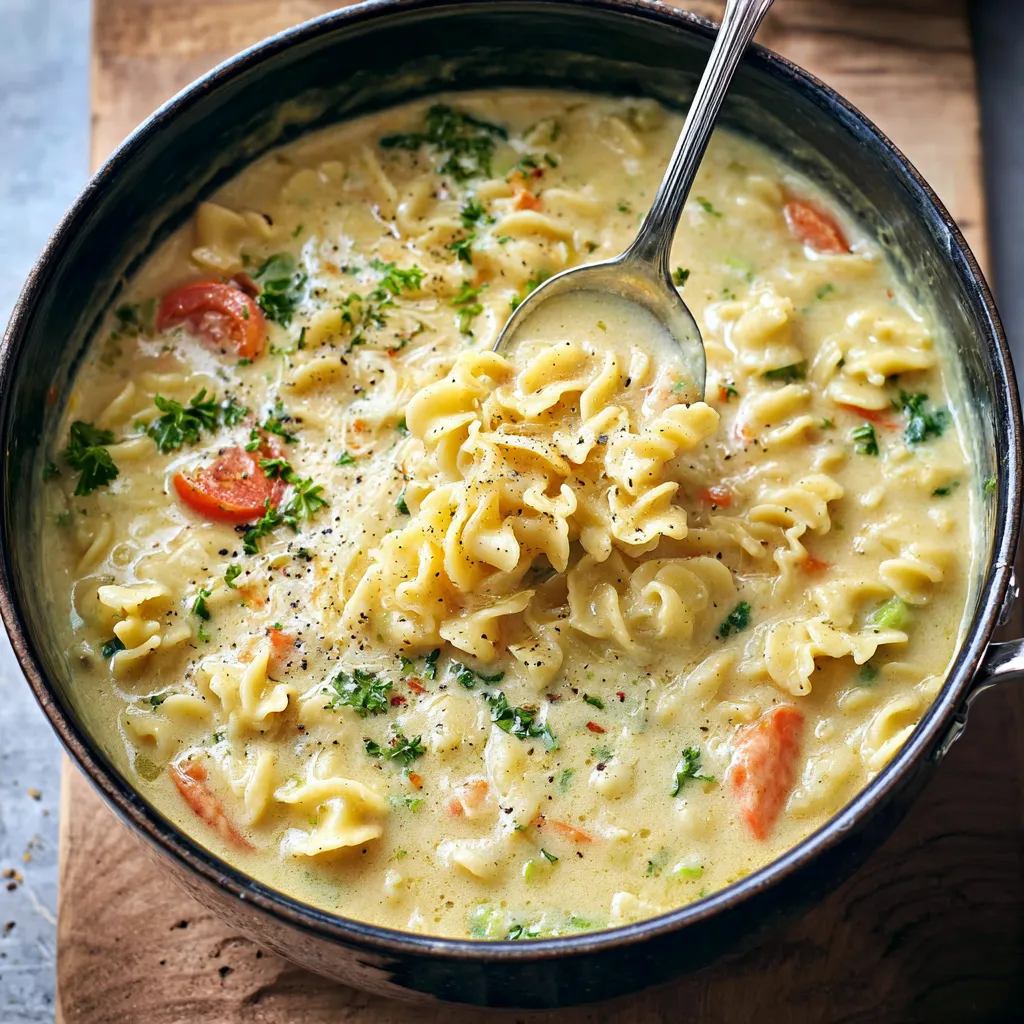 Here’s my foolproof recipe for creamy pasta soup, designed to avoid the pitfalls of gummy textures and curdled cream:
Ingredients:
- 1 tablespoon olive oil
- 1 medium onion, chopped
- 2 cloves garlic, minced
- 1 teaspoon dried Italian herbs
- 1/2 teaspoon red pepper flakes (optional)
- 4 cups chicken broth (low sodium)
- 1 (14.5 ounce) can diced tomatoes, undrained
- 1 cup small pasta shapes (e.g., ditalini, orzo)
- 1 cup cooked chicken, shredded or diced (optional, can also use sausage or leave vegetarian)
- 1/2 cup heavy cream
- 1/4 cup grated Parmesan cheese, plus more for serving
- Salt and black pepper to taste
- Fresh parsley, chopped, for garnish
Instructions:
- Sauté the Aromatics: Heat the olive oil in a large pot or Dutch oven over medium heat. Add the onion and cook until softened, about 5 minutes. Add the garlic, Italian herbs, and red pepper flakes (if using) and cook for 1 minute more, until fragrant.
- Build the Broth Base: Pour in the chicken broth and diced tomatoes (undrained). Bring to a simmer.
- Cook the Pasta: Add the pasta to the simmering broth. Cook according to package directions, until al dente. Remember, the pasta will continue to cook slightly after you remove it from the heat.
- Add the Protein: If using, stir in the cooked chicken (or sausage). Heat through. This is a good time to reflect on how similar it is to Chicken Noodle Soup, but with added richness.
- Temper the Cream: This is crucial! Reduce the heat to low. In a separate small bowl, whisk together the heavy cream and Parmesan cheese. Slowly drizzle a few tablespoons of the hot soup broth into the cream mixture, whisking constantly. This “tempers” the cream, gradually raising its temperature and preventing it from curdling when added to the hot soup.
- Finish the Soup: Slowly pour the tempered cream mixture into the soup, stirring gently to combine. Do not boil! Heat through gently for a minute or two. Season with salt and black pepper to taste.
- Serve: Ladle the soup into bowls. Garnish with fresh parsley and additional grated Parmesan cheese.
Creamy Conundrums: My Soup-Making Saga
My journey to creamy pasta soup perfection wasn’t exactly smooth sailing. My first few attempts were a disaster, resembling more of a gloppy, flavorless mess than the comforting bowl of goodness I envisioned.The Great Starch Overload of ’22
Like many of you, I initially thought that simply adding more pasta would make the soup thicker and creamier. WRONG! I ended up with a pot of sticky, starchy goo. The pasta had released way too much starch, turning the broth into a cement-like substance. It was so thick you could stand a spoon up in it! I even considered using the result as an experimental building material. This taught me the importance of controlling the pasta-to-broth ratio. Less is definitely more, especially when aiming for a creamy texture rather than a solid mass. It reminded me a bit of a failed batch of Italian Penicillin Soup, except instead of healing, it just needed discarding!The Curdling Calamity
Then came the curdling incident. I blithely poured cold cream directly into the hot soup, and within seconds, the beautiful, smooth broth transformed into a curdled, lumpy mess. It looked like something you’d find at the bottom of a forgotten refrigerator. That’s when I discovered the importance of tempering the cream. It’s a small step that makes a HUGE difference.The ‘Aha!’ Moment
The ‘Aha!’ moment came when I started experimenting with different types of pasta and paying close attention to the cooking time. I realized that smaller pasta shapes release less starch and cook more evenly in the soup. I also learned to slightly undercook the pasta, as it continues to cook in the hot broth. And, of course, tempering the cream became my golden rule. Finally, I started adding the Parmesan cheese directly into the cream before adding it to the soup. The cheese not only adds flavor but also helps stabilize the emulsion, preventing curdling. It was like discovering the secret ingredient in my grandmother’s Chicken Corn Chowder.The Foolproof Formula: Mastering the Method
After much trial and error, I’ve distilled the process down to these key steps:- Choose the Right Pasta: Opt for smaller pasta shapes like ditalini, orzo, or small shells. These release less starch and cook more evenly.
- Control the Starch: Don’t overcook the pasta. Cook it until al dente, as it will continue to cook in the hot broth.
- Temper the Cream: Whisk together the heavy cream and Parmesan cheese in a separate bowl. Slowly drizzle in a few tablespoons of hot soup broth, whisking constantly, before adding the cream mixture to the soup.
- Low and Slow: Add the tempered cream mixture to the soup over low heat, stirring gently to combine. Do not boil!
- Cheese Please: Adding Parmesan cheese to the cream mixture helps stabilize the emulsion and adds flavor. You might even want to add a dollop of mascarpone at the end for extra creaminess, like in White Chicken Lasagna Soup.
- Season Generously: Taste and adjust the seasoning with salt, black pepper, and other herbs as needed.
- Fresh Finish: Garnish with fresh herbs like parsley or basil for added flavor and visual appeal. And, remember, you can always use a slow cooker to make a batch of Creamy Crockpot Chicken Gnocchi Soup if you want an even easier method.
Why does creamy pasta soup sometimes turn out gummy?
The gummy texture is usually caused by too much starch released from the pasta during cooking. Pasta releases amylose and amylopectin into the cooking liquid, which thickens the soup. Overcooking the pasta or using too much pasta relative to the broth can lead to excessive starch and a gummy consistency.
What does it mean to “temper” the cream, and why is it important?
Tempering the cream involves gradually raising its temperature before adding it to the hot soup. This is done by whisking a few tablespoons of the hot soup broth into the cream mixture. It’s important because it prevents the cream from curdling when it’s added to the hot soup, ensuring a smooth and creamy texture.
What type of pasta is recommended for creamy pasta soup?
The article recommends using smaller pasta shapes like ditalini, orzo, or small shells. These types of pasta release less starch and cook more evenly in the soup, helping to avoid a gummy texture.
Besides tempering the cream, what else can be done to prevent curdling in creamy pasta soup?
Adding Parmesan cheese to the cream mixture before adding it to the soup helps to stabilize the emulsion and prevent curdling. The cheese not only adds flavor but also helps the cream mix smoothly into the soup.
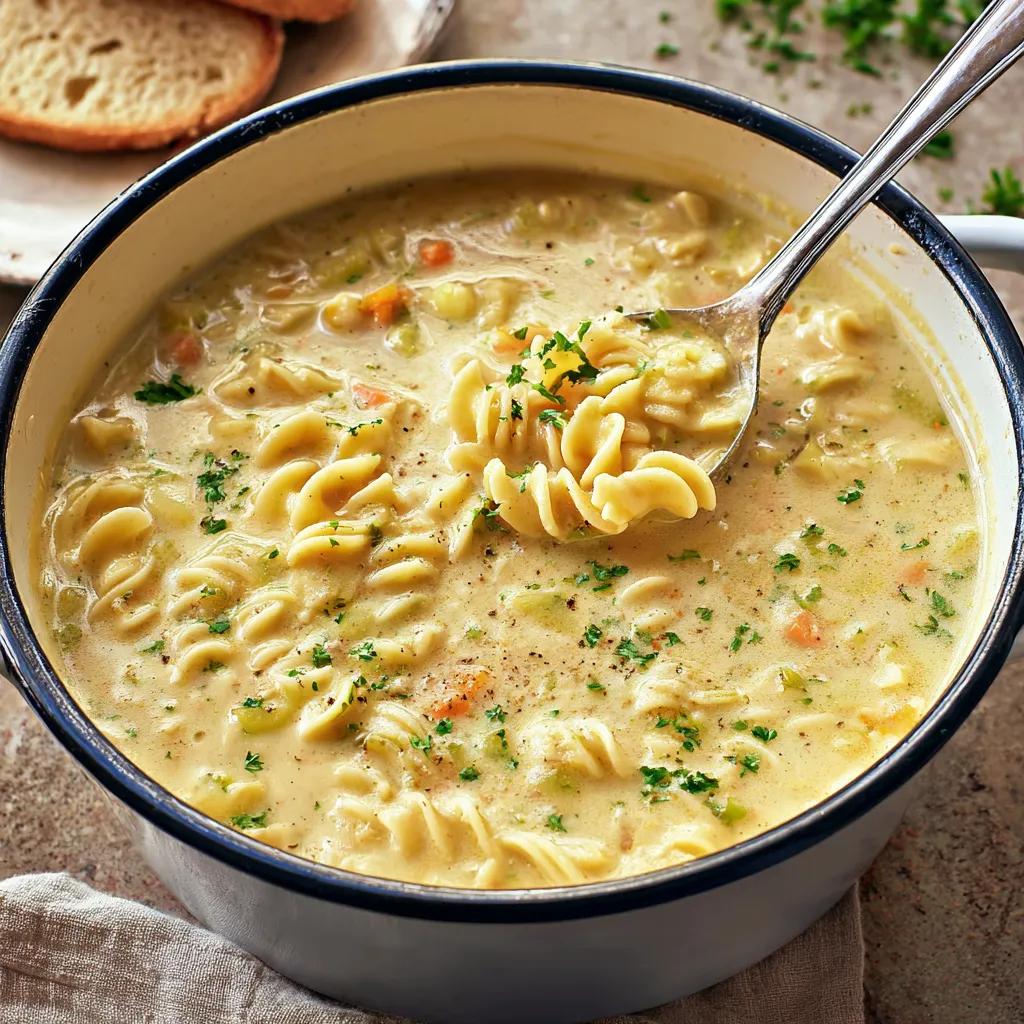
Creamy Pasta Soup
Ingredients
Equipment
Method
- Heat the olive oil in a large pot or Dutch oven over medium heat. Add the onion and cook until softened, about 5 minutes.
- Add the garlic, Italian herbs, and red pepper flakes (if using) and cook for 1 minute more, until fragrant.
- Pour in the chicken broth and diced tomatoes (undrained). Bring to a simmer.
- Add the pasta to the simmering broth. Cook according to package directions, until al dente. The pasta will continue to cook slightly after you remove it from the heat.
- If using, stir in the cooked chicken (or sausage). Heat through.
- Reduce the heat to low. In a separate small bowl, whisk together the heavy cream and Parmesan cheese.
- Slowly drizzle a few tablespoons of the hot soup broth into the cream mixture, whisking constantly. This tempers the cream, gradually raising its temperature and preventing it from curdling.
- Slowly pour the tempered cream mixture into the soup, stirring gently to combine. Do not boil!
- Heat through gently for a minute or two. Season with salt and black pepper to taste.
- Ladle the soup into bowls. Garnish with fresh parsley and additional grated Parmesan cheese.