
The Creamy Conundrum: Unlocking the Secrets of Pasta Soup
The allure of creamy pasta soup is undeniable. Imagine tender pasta swimming in a rich, flavorful broth, coating your spoon with every delightful bite. But achieving this seemingly simple pleasure requires understanding the science behind it. The main challenge lies in the starch released by the pasta during cooking. This starch, if not managed properly, can thicken the soup beyond recognition, resulting in a gloppy, unappetizing texture. The key is to control starch release and create a stable emulsion that prevents the cream from separating or curdling. We need to understand gelatinization, emulsification, and the impact of acidity and temperature. Gelatinization is when starch granules absorb water and swell, releasing starch into the liquid. Emulsification involves blending two liquids that don’t normally mix, like fat and water, into a stable mixture. Proper temperature control is vital, especially when adding dairy to prevent curdling, and acidity can destabilize the emulsion leading to separation.The Creamy Pasta Soup Masterpiece: A Recipe
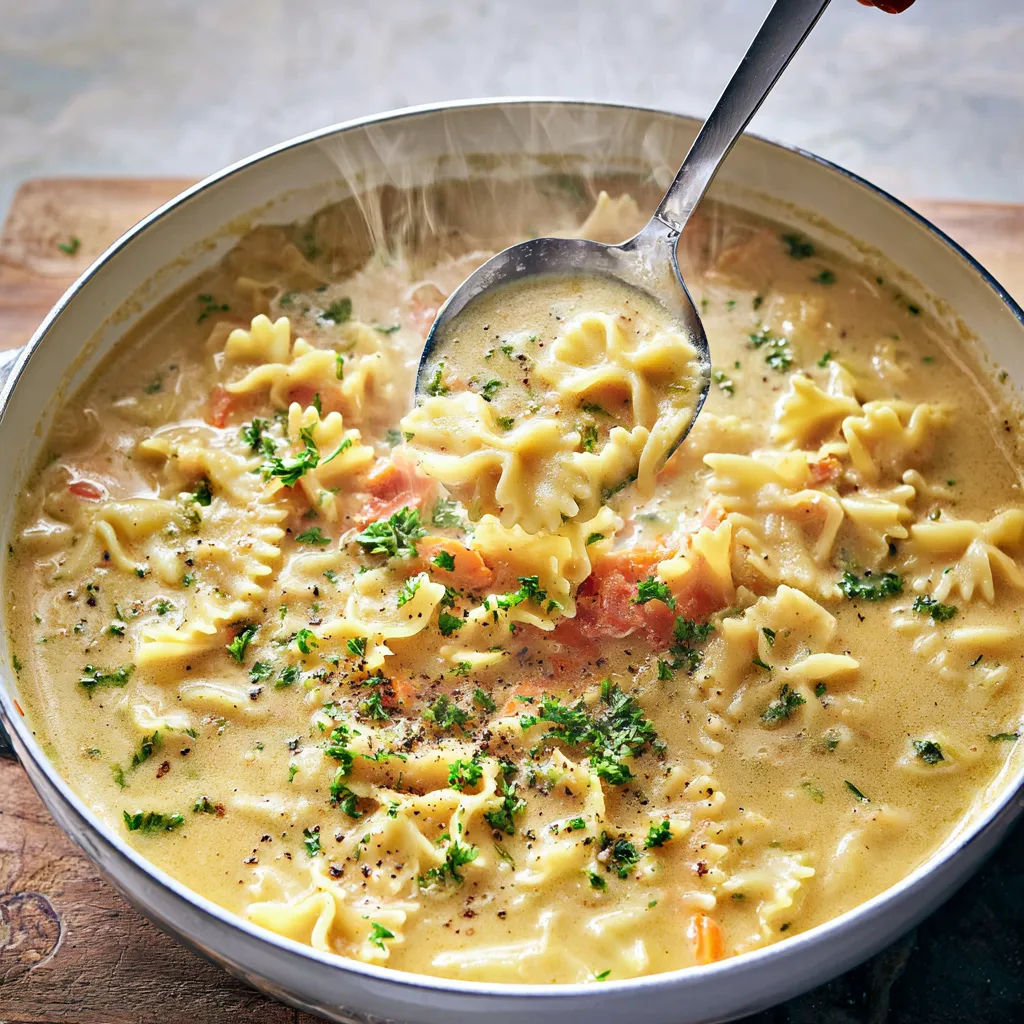 This recipe is designed to yield a perfectly balanced creamy pasta soup, taking into account all the scientific principles discussed.
Ingredients:
- 1 tablespoon olive oil
- 1 medium onion, chopped
- 2 carrots, peeled and diced
- 2 celery stalks, diced
- 4 cloves garlic, minced
- 8 cups chicken broth (low sodium preferred)
- 1 teaspoon dried thyme
- 1/2 teaspoon dried rosemary
- 1/4 teaspoon red pepper flakes (optional)
- 1 cup small pasta (ditalini, orzo, or small shells work well)
- 1 cup cooked chicken, shredded (optional)
- 1 cup heavy cream
- 1/2 cup grated Parmesan cheese
- 2 tablespoons chopped fresh parsley
- Salt and freshly ground black pepper to taste
Instructions:
- In a large pot or Dutch oven, heat the olive oil over medium heat. Add the onion, carrots, and celery and cook until softened, about 5-7 minutes.
- Add the garlic, thyme, rosemary, and red pepper flakes (if using) and cook for another minute, until fragrant.
- Pour in the chicken broth and bring to a boil.
- Stir in the pasta and cook according to package directions, usually about 8-10 minutes, or until al dente. Be careful not to overcook the pasta.
- If using, add the cooked chicken to the soup during the last few minutes of cooking to heat through.
- Reduce the heat to low. Gently stir in the heavy cream and Parmesan cheese. Heat through, being careful not to boil.
- Season with salt and pepper to taste.
- Garnish with fresh parsley before serving.
From Gloppy Mess to Creamy Success: My Investigation
My journey to creating the perfect creamy pasta soup was paved with good intentions and, frankly, quite a few failures. Like many of you, I initially thought it was as simple as throwing everything into a pot and hoping for the best. My first few attempts were a disaster – either the pasta turned to mush, the soup was too thick, or the cream curdled into an unappetizing mess. But I refused to give up.The Starch Situation: My First Hurdle
My initial problem was the pasta. I added it directly to the broth and let it cook until “done,” resulting in an overly starchy soup. The broth became thick and gluey. I realized I needed to control the starch release. Then, I had an “Aha!” moment: cooking the pasta separately! By cooking the pasta separately and then adding it to the soup at the end, I drastically reduced the amount of starch released into the broth. This simple change made a huge difference. I also experimented with rinsing the pasta after cooking, but found it unnecessary if I controlled the cooking time carefully.The Cream Conundrum: Avoiding Curdling Chaos
Next, I tackled the cream. My first instinct was to add it directly to the boiling soup, resulting in a curdled disaster. The high heat and acidity caused the cream to separate. I learned that the key was to temper the cream – gradually warming it before adding it to the soup. I also discovered that using heavy cream, with its higher fat content, was more stable than using milk or half-and-half. Reducing the heat to low before adding the cream also helped prevent curdling.Flavor Exploration: Beyond the Basics
Once I conquered the texture issues, I focused on flavor. My initial attempts were bland and uninspired. I realized I needed to build a deeper flavor base. I started by sautéing aromatic vegetables like onions, carrots, and celery in olive oil before adding the broth. This created a richer, more complex flavor. I also experimented with different herbs and spices, settling on a combination of thyme, rosemary, and a pinch of red pepper flakes for a subtle kick. The addition of Parmesan cheese at the end added a salty, umami richness that really elevated the soup. I found myself craving something similar to Creamy Crockpot Chicken Gnocchi Soup but wanted a faster version.Adding Protein: The Chicken Question
Finally, I experimented with adding protein. I tried both cooked chicken and raw chicken, and found that using pre-cooked shredded chicken was the best approach. Adding raw chicken required a longer cooking time, which resulted in overcooked pasta. Using cooked chicken allowed me to add it at the end, just to heat through, preserving the texture of the pasta. Alternatively, you could adapt this recipe to become a delicious White Chicken Lasagna Soup by adding ricotta cheese and using lasagna noodles.The Foolproof Method: Your Creamy Pasta Soup Success Guide
Here’s a step-by-step guide to ensure your creamy pasta soup is a resounding success:- Build a Flavorful Base: Sauté aromatic vegetables (onion, carrots, celery) in olive oil until softened. Add garlic and herbs for added depth.
- Use High-Quality Broth: Opt for low-sodium chicken broth to control the saltiness of the final dish.
- Control Starch Release: Cook the pasta separately until al dente and add it to the soup at the very end.
- Temper the Cream: Gently warm the heavy cream before adding it to the soup to prevent curdling.
- Add Dairy at Low Heat: Reduce the heat to low before stirring in the heavy cream and Parmesan cheese. Avoid boiling.
- Season to Perfection: Taste and adjust the seasoning with salt and pepper. Don’t be afraid to experiment with other herbs and spices.
- Garnish and Serve: Garnish with fresh parsley for a pop of color and flavor. Serve immediately.
What is the biggest challenge when making creamy pasta soup?
The main challenge is managing the starch released by the pasta during cooking, as it can make the soup too thick and gluey.
Why is it important to cook the pasta separately?
Cooking the pasta separately and adding it at the end drastically reduces the amount of starch released into the broth, preventing it from becoming too thick.
How do you prevent the cream from curdling when added to the soup?
To prevent curdling, temper the cream by gently warming it before adding it to the soup. Also, reduce the heat to low and use heavy cream, which is more stable due to its higher fat content.
What kind of broth is recommended for this recipe?
Low-sodium chicken broth is recommended to control the saltiness of the final dish.
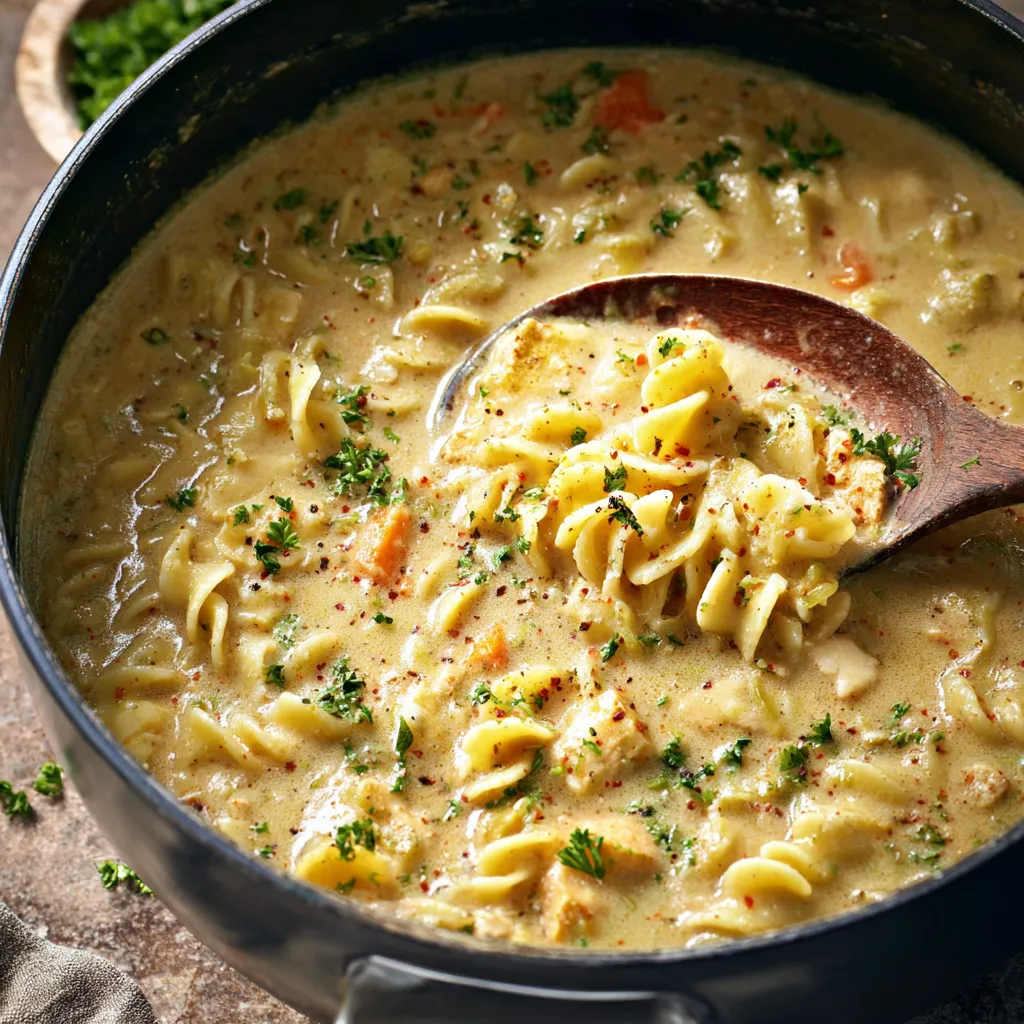
Creamy Pasta Soup
This creamy pasta soup recipe delivers a comforting and flavorful bowl without the starchy mess. By controlling starch release and gently incorporating dairy, this recipe ensures a velvety smooth texture and rich taste. It’s a perfect weeknight meal that’s both satisfying and easy to customize.
Ingredients
Equipment
Method
- In a large pot or Dutch oven, heat the olive oil over medium heat.
- Add the onion, carrots, and celery and cook until softened, about 5-7 minutes.
- Add the garlic, thyme, rosemary, and red pepper flakes (if using) and cook for another minute, until fragrant.
- Pour in the chicken broth and bring to a boil.
- Stir in the pasta and cook according to package directions, usually about 8-10 minutes, or until al dente. Be careful not to overcook the pasta.
- If using, add the cooked chicken to the soup during the last few minutes of cooking to heat through.
- Reduce the heat to low. Gently stir in the heavy cream and Parmesan cheese. Heat through, being careful not to boil.
- Season with salt and pepper to taste.
- Garnish with fresh parsley before serving.
Notes
For a richer flavor, use homemade chicken broth. To prevent the cream from curdling, make sure to gently warm it before adding it to the soup. Leftovers can be stored in the refrigerator for up to 3 days. Reheat gently on the stovetop or in the microwave. For a vegetarian option, omit the chicken and use vegetable broth. You can also add other vegetables, such as zucchini or spinach, to the soup.