
Unlocking the Creamy Code: The Science Behind the Sauce
The magic of creamy garlic pasta hinges on a delicate emulsion – a stable mixture of oil-based and water-based ingredients. Garlic, infused into either butter or olive oil (or a combination, for optimal flavor), provides the foundational aroma. The addition of pasta water, rich in starch released from the cooking pasta, is absolutely critical. This starchy water acts as a natural emulsifier, binding the fats and liquids together. Without it, the sauce will likely separate and appear greasy. Dairy, whether it be heavy cream, half-and-half, or even a touch of milk, adds richness and body. However, heat control is paramount. High heat can cause the dairy to curdle or separate, ruining the smooth texture we crave. Finally, the addition of cheese, typically Parmesan or Pecorino Romano, not only contributes flavor but also further stabilizes the emulsion and adds a delightful salty tang. Understanding these principles is the first step to mastering the perfect creamy garlic pasta.The Definitive Creamy Garlic Pasta Recipe
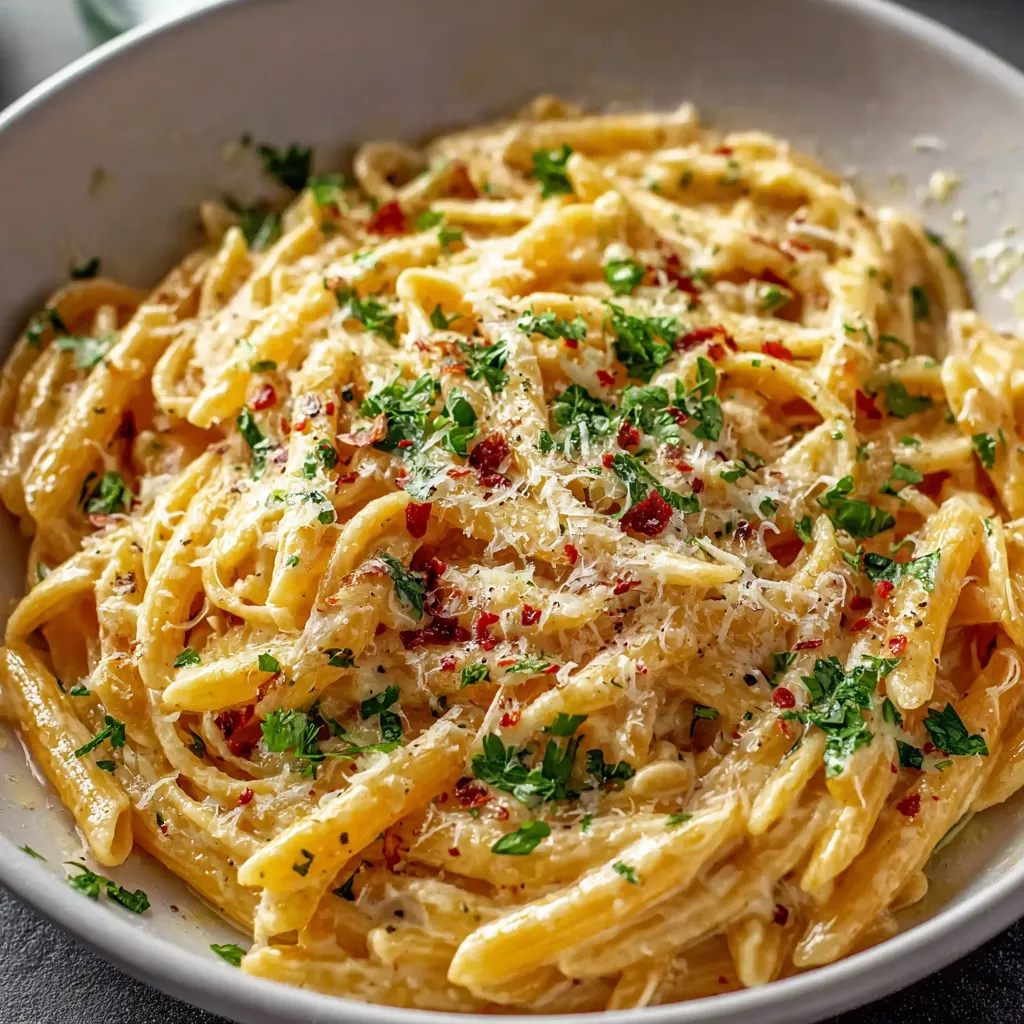 This recipe has been meticulously refined through numerous trials (and errors!) to deliver consistent, delectable results.
Ingredients:
- 1 pound pasta (spaghetti, fettuccine, or linguine work best)
- 4 tablespoons butter (unsalted)
- 4 cloves garlic, minced
- 1/2 cup reserved pasta water
- 1/2 cup heavy cream
- 1/2 cup grated Parmesan cheese, plus more for serving
- Salt and freshly ground black pepper to taste
- Optional: pinch of red pepper flakes
- Optional: fresh parsley, chopped, for garnish
Instructions:
- Bring a large pot of salted water to a boil. Add the pasta and cook according to package directions until al dente. Reserve 1/2 cup of pasta water before draining.
- While the pasta is cooking, melt the butter in a large skillet over medium heat. Add the minced garlic and cook, stirring frequently, until fragrant, about 1-2 minutes. Be careful not to burn the garlic.
- Reduce the heat to low. Gradually whisk in the reserved pasta water, being mindful to avoid splattering. Simmer for 1 minute, allowing the sauce to slightly thicken.
- Stir in the heavy cream and Parmesan cheese. Season with salt, pepper, and red pepper flakes (if using). Cook, stirring constantly, until the cheese is melted and the sauce is smooth and creamy, about 1-2 minutes. Do not boil.
- Add the drained pasta to the skillet and toss to coat. Add more pasta water, a tablespoon at a time, if needed to adjust the consistency of the sauce.
- Serve immediately, garnished with additional Parmesan cheese and fresh parsley, if desired.
The Investigation: My Creamy Garlic Pasta Odyssey
My quest for the perfect creamy garlic pasta was far from straightforward. It involved a series of culinary experiments, fueled by both hope and utter failure.The Early Days: Butter, Cream, and Regret
My first few attempts were a disaster. Like many of you, I initially thought more cream equaled more flavor. I loaded up on heavy cream, skipped the pasta water entirely, and cranked up the heat, confident in my “culinary intuition.” The result? A greasy, separated mess that tasted vaguely of garlic and disappointment. The texture was grainy, the sauce was thin, and frankly, it was inedible. I even tried adding pre-shredded Parmesan cheese directly to the pan. Big mistake! It clumped up and refused to melt properly. These initial failures highlighted the crucial importance of understanding the science behind the sauce.The Pasta Water Revelation: An “Aha!” Moment
Then, I had an “Aha!” moment while watching a cooking show. The chef emphasized the importance of pasta water. I had always dismissed it as just starchy water, but he explained its role in emulsifying the sauce. The next attempt was a revelation. By reserving about a cup of the pasta water and gradually whisking it into the butter and garlic mixture, I created a base that was noticeably smoother and more stable. The addition of the cream didn’t immediately result in separation. This was progress! This also made me think of other pasta dishes I love like Philly Cheese Steak Pasta.Garlic and Cheese Dynamics: Mastering the Flavor Profile
The texture was improving, but the flavor still needed work. I experimented with different types of garlic – fresh, jarred, roasted. Freshly minced garlic, sautéed gently in butter, consistently delivered the best flavor. I also realized that the quality of the Parmesan cheese matters. Pre-grated Parmesan often contains cellulose, which can prevent it from melting smoothly. Grating the Parmesan fresh, right before adding it to the sauce, made a significant difference. I also experimented with adding a small amount of Pecorino Romano for an extra layer of salty, nutty flavor. I also tried adding chicken to make it more like a Garlic Parmesan Chicken Pasta Healthy Dinner.Heat Control and Timing: The Final Frontier
The final piece of the puzzle was mastering heat control and timing. I learned that patience is key. Rushing the process by cranking up the heat only leads to disaster. Maintaining a low, gentle simmer allows the flavors to meld together and the sauce to thicken without curdling. Adding the pasta to the sauce immediately after cooking is also crucial. The warm pasta readily absorbs the sauce, creating a cohesive and flavorful dish. I even wondered if I could make a similar sauce using rice like in Creamy Garlic Chicken Rice Bowls.The Foolproof Method: Your Creamy Garlic Pasta Checklist
Here’s a simple, step-by-step guide to achieving creamy garlic pasta perfection every time:- Salt the pasta water generously. This seasons the pasta from the inside out.
- Reserve pasta water! This is liquid gold for emulsifying the sauce. Aim for about 1/2 to 1 cup.
- Gently sauté freshly minced garlic in butter. Avoid burning the garlic; aim for a fragrant, golden-brown color.
- Introduce the pasta water slowly, whisking constantly. This creates a stable base for the sauce.
- Use high-quality, freshly grated Parmesan cheese. Avoid pre-shredded cheese, which may not melt smoothly.
- Maintain low heat throughout the sauce-making process. High heat can cause the dairy to curdle or separate.
- Add the cooked pasta to the sauce immediately. This allows the pasta to absorb the sauce and prevents sticking.
- Adjust the sauce consistency with additional pasta water as needed. Aim for a creamy, flowing sauce that coats the pasta evenly.
- Season to taste with salt, pepper, and any desired additions (red pepper flakes, fresh herbs).
- Serve immediately and enjoy! Perhaps with some Spaghetti Garlic Bread Bowls Ultimate.
Why is pasta water important for creamy garlic pasta?
Pasta water, rich in starch released from the cooking pasta, acts as a natural emulsifier, binding the fats and liquids together and preventing the sauce from separating and becoming greasy.
What type of cheese is recommended, and why should I avoid pre-shredded?
The recipe recommends using grated Parmesan or Pecorino Romano cheese. Avoid pre-shredded Parmesan because it often contains cellulose, which can prevent it from melting smoothly.
What is the key to preventing the sauce from curdling?
Maintaining low heat throughout the sauce-making process is crucial. High heat can cause the dairy to curdle or separate, ruining the smooth texture.
What are the best types of pasta to use for this dish?
Spaghetti, fettuccine, or linguine are the best pasta shapes to use for creamy garlic pasta.
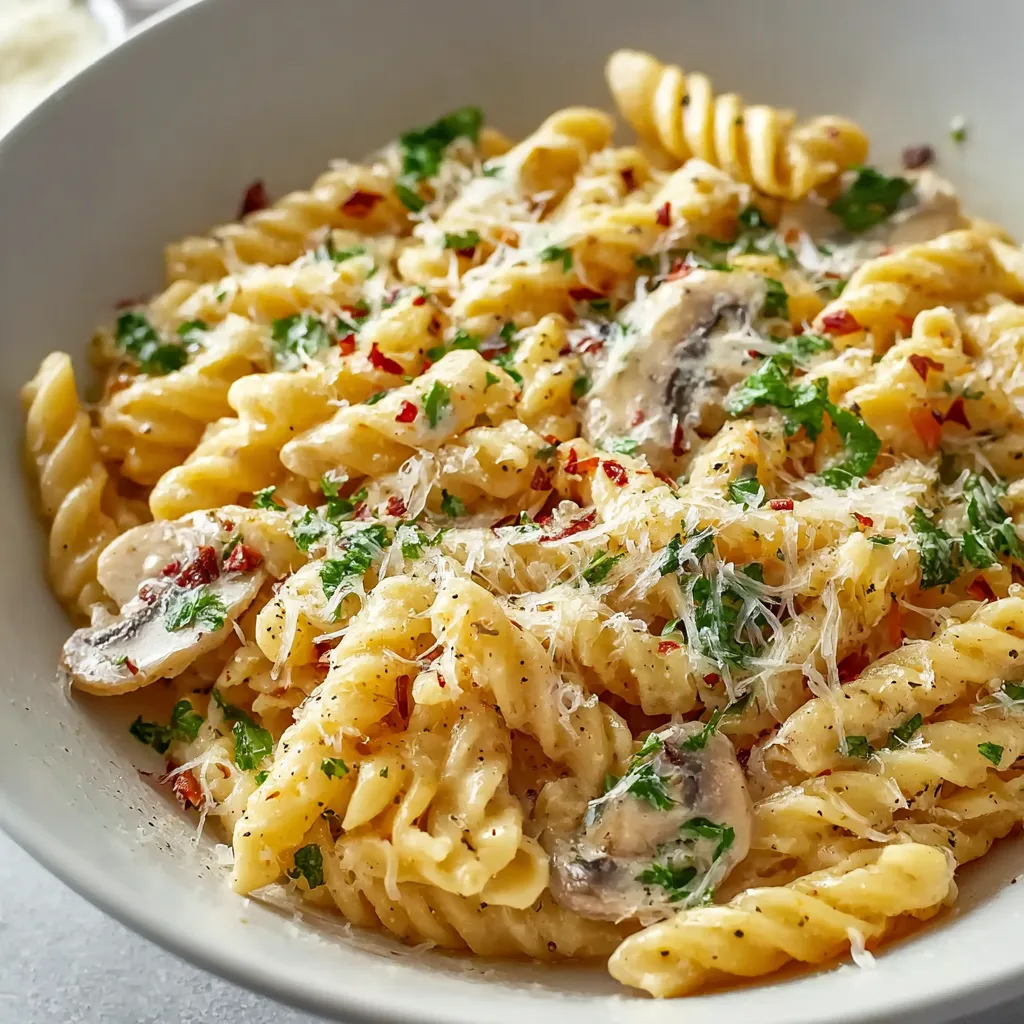
Creamy Garlic Pasta Easy
This creamy garlic pasta recipe is a simple yet satisfying dish that’s quick to prepare. The key to its success lies in using pasta water to create a stable and flavorful emulsion, resulting in a luscious sauce that perfectly coats the pasta.
Ingredients
Equipment
Method
- Bring a large pot of salted water to a boil. Add the pasta and cook according to package directions until al dente. Reserve 1/2 cup of pasta water before draining.
- While the pasta is cooking, melt the butter in a large skillet over medium heat. Add the minced garlic and cook, stirring frequently, until fragrant, about 1-2 minutes. Be careful not to burn the garlic.
- Reduce the heat to low. Gradually whisk in the reserved pasta water, being mindful to avoid splattering. Simmer for 1 minute, allowing the sauce to slightly thicken.
- Stir in the heavy cream and Parmesan cheese. Season with salt, pepper, and red pepper flakes (if using). Cook, stirring constantly, until the cheese is melted and the sauce is smooth and creamy, about 1-2 minutes. Do not boil.
- Add the drained pasta to the skillet and toss to coat. Add more pasta water, a tablespoon at a time, if needed to adjust the consistency of the sauce.
- Serve immediately, garnished with additional Parmesan cheese and fresh parsley, if desired.
Notes
Salt the pasta water generously to season the pasta from the inside out. Use high-quality, freshly grated Parmesan cheese for best results. Maintain low heat throughout the sauce-making process to prevent the dairy from curdling. Adjust the sauce consistency with additional pasta water as needed to achieve a creamy, flowing texture. For a richer flavor, add a small amount of Pecorino Romano cheese along with the Parmesan. To make it a Garlic Parmesan Chicken Pasta, add some chicken