
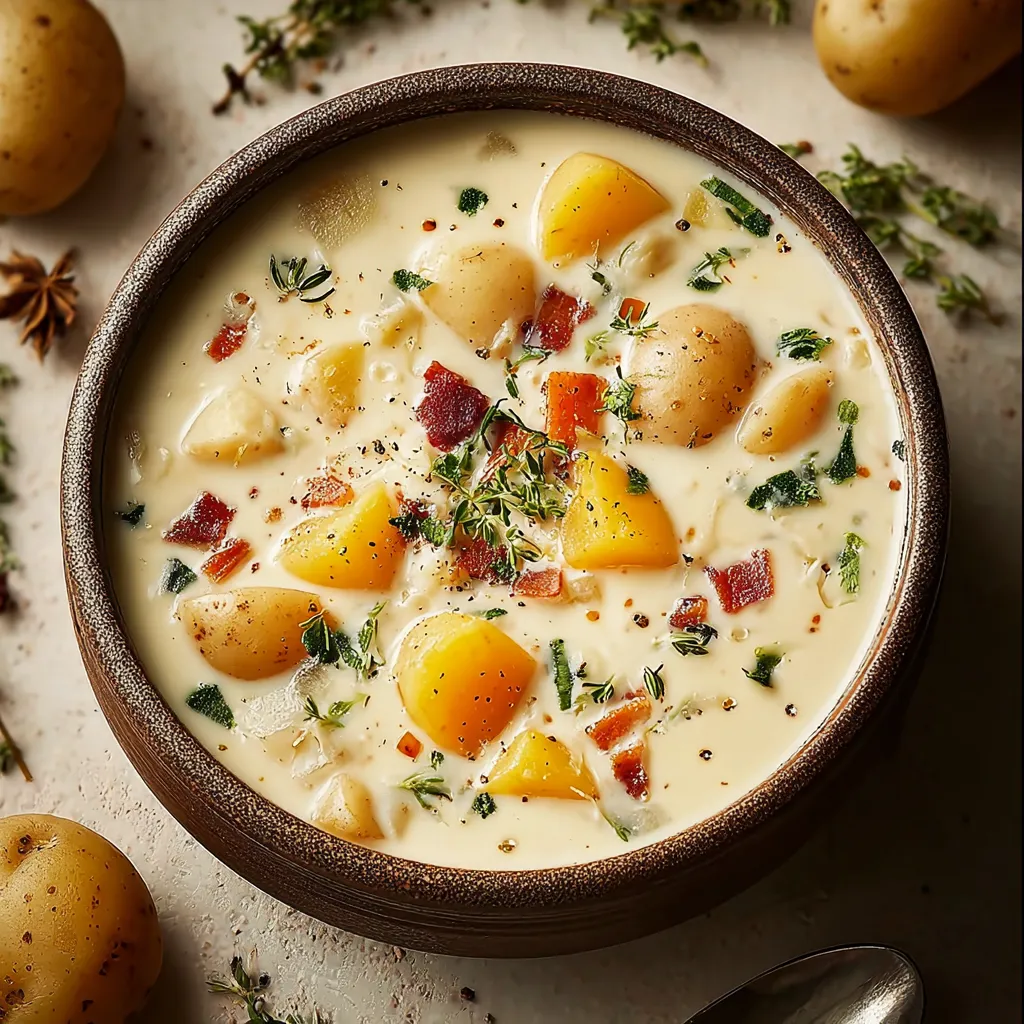
What’s the secret to achieving the perfect, creamy potato soup that isn’t gluey, bland, or grainy, but instead, a comforting bowl of pure potato perfection?
Unlocking Potato Soup’s Creamy Secrets: A Scientific Dive
Potato soup, at its heart, is a simple emulsion of starch, liquid, and fat. The trick lies in controlling the starch release and preventing it from becoming excessive, which leads to a gluey texture. Potatoes, when heated, release starch into the surrounding liquid. This starch gelatinizes, thickening the soup. Different potato varieties have different starch contents. Russets, for example, are high in starch, making them great for baking but potentially problematic for soup. Waxy potatoes like Yukon Golds or red potatoes have lower starch content, leading to a creamier texture. Fat, whether from butter, cream, or both, adds richness and helps to emulsify the soup, preventing the starch from clumping. Acidity, from ingredients like onions or a splash of vinegar at the end, can also subtly impact the soup’s texture and flavor profile, brightening it up and cutting through the richness.
The Holy Grail of Potato Soup: The Ultimate Recipe
Ingredients:
- 2 tablespoons unsalted butter
- 1 medium yellow onion, diced
- 2 cloves garlic, minced
- 4 cups Yukon Gold potatoes, peeled and cubed (about 1 ½ pounds)
- 4 cups chicken broth (low sodium preferred)
- 1 teaspoon salt, or to taste
- ½ teaspoon black pepper, or to taste
- ½ cup heavy cream
- Optional toppings: shredded cheddar cheese, crumbled bacon, sour cream, chopped chives
Instructions:
- Sauté Aromatics: In a large pot or Dutch oven, melt the butter over medium heat. Add the diced onion and cook until softened and translucent, about 5-7 minutes. Add the minced garlic and cook for another minute until fragrant, being careful not to burn it.
- Cook the Potatoes: Add the cubed potatoes, chicken broth, salt, and pepper to the pot. Bring to a boil, then reduce heat to low, cover, and simmer until the potatoes are very tender, about 15-20 minutes.
- Blend for Creaminess: Carefully transfer about 2 cups of the soup to a blender (or use an immersion blender directly in the pot). Blend until smooth and creamy. Pour the blended soup back into the pot with the remaining soup. Alternatively, for a chunkier soup, mash some of the potatoes with a potato masher directly in the pot, leaving some chunks intact.
- Add Cream and Adjust Seasoning: Stir in the heavy cream. Heat gently over low heat until warmed through, being careful not to boil. Taste and adjust seasoning as needed, adding more salt and pepper if necessary.
- Serve and Garnish: Ladle the soup into bowls and garnish with your favorite toppings, such as shredded cheddar cheese, crumbled bacon, sour cream, and chopped chives.
From Soupy Disasters to Potato Nirvana: My Quest for Perfection
The Starchy Struggle: My Initial Fails
My first few attempts at making potato soup were a disaster. Like many of you, I initially thought that any old potato would do. I grabbed a bag of russets, because, well, they were there. The result? A thick, gluey mess that tasted more like potato paste than soup. It was far from the comforting, creamy experience I was hoping for. I even tried adding more broth to thin it out, but it only made it a watery, starchy mess. It was a clear sign that the potato variety was the culprit.
The Yukon Gold Revelation: An ‘Aha!’ Moment
Then, I had an “Aha!” moment. I remembered reading about the importance of potato variety in Vegetable Soup recipes and other creamy soups. I switched to Yukon Golds, known for their lower starch content and buttery flavor. The difference was night and day! The soup was naturally creamier, even before adding any cream. The texture was smoother and more appealing. It was a game changer.
Fat is Your Friend: Balancing the Creaminess
Next, I experimented with different types of fat. Butter provides a lovely flavor base when sautéing the aromatics, but the addition of heavy cream at the end really elevates the soup’s richness. I also played around with adding a dollop of sour cream or crème fraîche on top, which adds a delightful tanginess that cuts through the richness and balances the flavor profile. I thought about even trying out a Chicken Corn Chowder to get inspiration, as it has the same creaminess I was looking for.
The Blending Game: To Blend or Not to Blend?
I also explored different blending techniques. Completely blending the soup results in a velvety smooth texture, but it can sometimes feel a bit too processed. I found that blending about half of the soup and leaving the rest chunky provides the best of both worlds: a creamy base with satisfying potato chunks. An immersion blender makes this process incredibly easy and convenient, eliminating the need to transfer hot soup to a blender. This technique is especially useful if you are looking to quickly fix your soup. It can also be helpful if you are experimenting to make a White Chicken Lasagna Soup and want to make the broth extra creamy.
Seasoning Secrets: Don’t Underestimate the Power of Salt and Pepper
Finally, I learned the importance of proper seasoning. Potato soup can easily taste bland if not seasoned adequately. Salt is crucial for bringing out the potato’s natural flavor, and a generous amount of freshly ground black pepper adds a pleasant warmth. I also discovered that a pinch of nutmeg or a dash of hot sauce can add subtle complexity and depth of flavor. Like in Creamy Taco Soup, the seasoning makes or breaks the dish. Furthermore, I also realized the importance of tasting and adjusting the seasoning throughout the cooking process. It’s much easier to add more salt or pepper than to try to fix an over-seasoned soup.
The Foolproof Formula: Mastering Potato Soup Every Time
After countless experiments, I’ve distilled the process into a simple, foolproof method for achieving the perfect creamy potato soup:
- Choose the Right Potatoes: Opt for Yukon Gold potatoes for their lower starch content and creamy texture.
- Sauté Aromatics: Build flavor by sautéing onions and garlic in butter before adding the potatoes.
- Cook Potatoes Until Tender: Ensure the potatoes are cooked through before blending for a smooth and creamy texture.
- Control the Starch: Blend only a portion of the soup to avoid a gluey consistency. Alternatively, mash some of the potatoes for a chunkier soup.
- Add Fat for Richness: Incorporate heavy cream at the end for a velvety texture and rich flavor.
- Season Generously: Don’t be afraid to season with salt, pepper, and other spices to enhance the flavor. Consider drawing inspiration from the seasoning of Creamy Chicken Taco Soup.
- Taste and Adjust: Taste the soup throughout the cooking process and adjust seasoning as needed.
- Garnish with Flair: Elevate the presentation with your favorite toppings, such as shredded cheese, bacon, sour cream, and chives. This can even be applied to Creamy Crockpot Chicken Gnocchi Soup.
What type of potato is best for creamy potato soup, and why?
Yukon Gold potatoes are best because they have a lower starch content compared to potatoes like Russets. This results in a naturally creamier texture and prevents the soup from becoming gluey.
How can I prevent my potato soup from becoming too thick or gluey?
To prevent a gluey texture, use Yukon Gold potatoes and avoid over-blending. Blend only a portion of the soup (about half) or mash some of the potatoes instead of fully blending.
Besides potatoes, what other ingredients contribute to the flavor and texture of creamy potato soup?
Butter, onions, garlic, chicken broth, salt, pepper, and heavy cream all contribute to the flavor and texture. Sautéing the aromatics in butter builds flavor, while heavy cream adds richness. Seasoning with salt and pepper is crucial for enhancing the potato flavor.
What are some optional toppings I can use to garnish my potato soup?
Some optional toppings include shredded cheddar cheese, crumbled bacon, sour cream, and chopped chives. These add flavor and visual appeal to the soup.

BEST Creamy Potato Soup
Ingredients
Equipment
Method
- Sauté Aromatics: In a large pot or Dutch oven, melt the butter over medium heat. Add the diced onion and cook until softened and translucent, about 5-7 minutes. Add the minced garlic and cook for another minute until fragrant, being careful not to burn it.
- Cook the Potatoes: Add the cubed potatoes, chicken broth, salt, and pepper to the pot. Bring to a boil, then reduce heat to low, cover, and simmer until the potatoes are very tender, about 15-20 minutes.
- Blend for Creaminess: Carefully transfer about 2 cups of the soup to a blender (or use an immersion blender directly in the pot). Blend until smooth and creamy. Pour the blended soup back into the pot with the remaining soup. Alternatively, for a chunkier soup, mash some of the potatoes with a potato masher directly in the pot, leaving some chunks intact.
- Add Cream and Adjust Seasoning: Stir in the heavy cream. Heat gently over low heat until warmed through, being careful not to boil. Taste and adjust seasoning as needed, adding more salt and pepper if necessary.
- Serve and Garnish: Ladle the soup into bowls and garnish with your favorite toppings, such as shredded cheddar cheese, crumbled bacon, sour cream, and chopped chives.