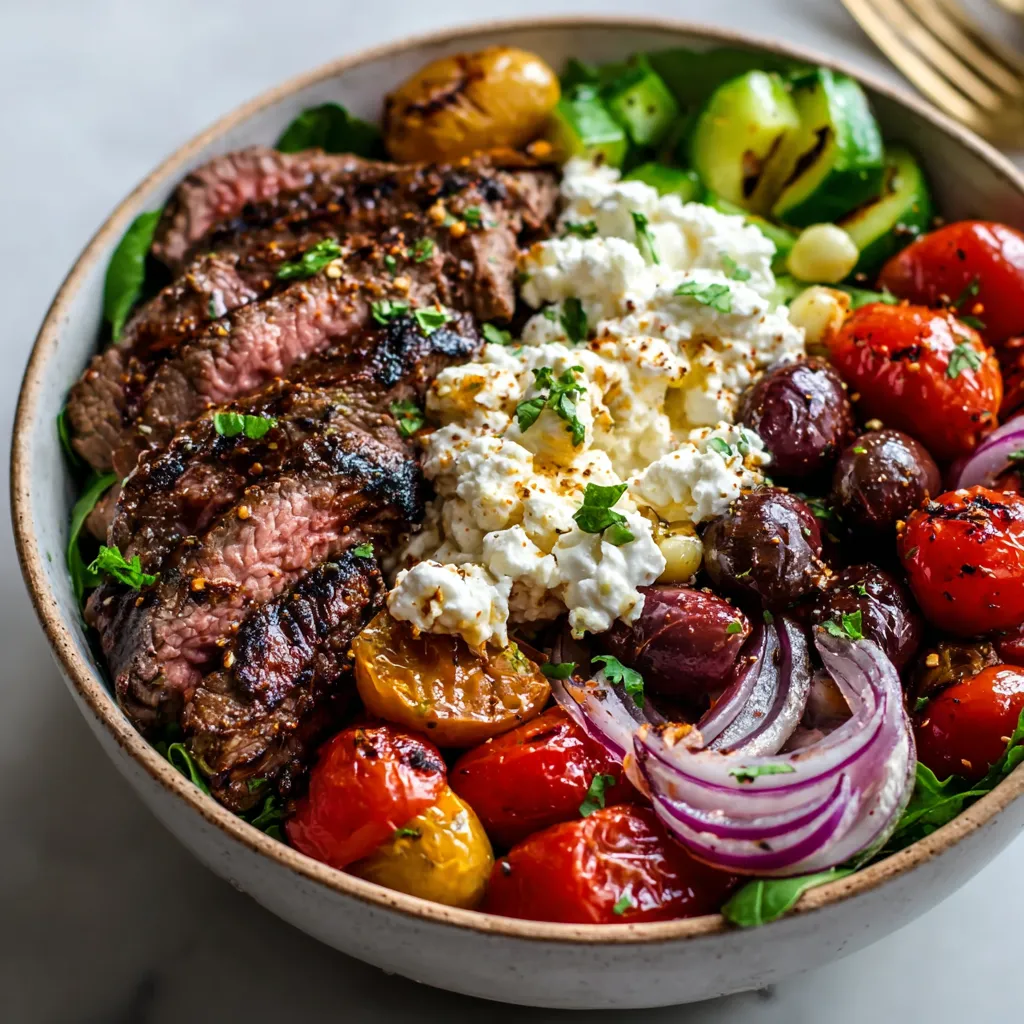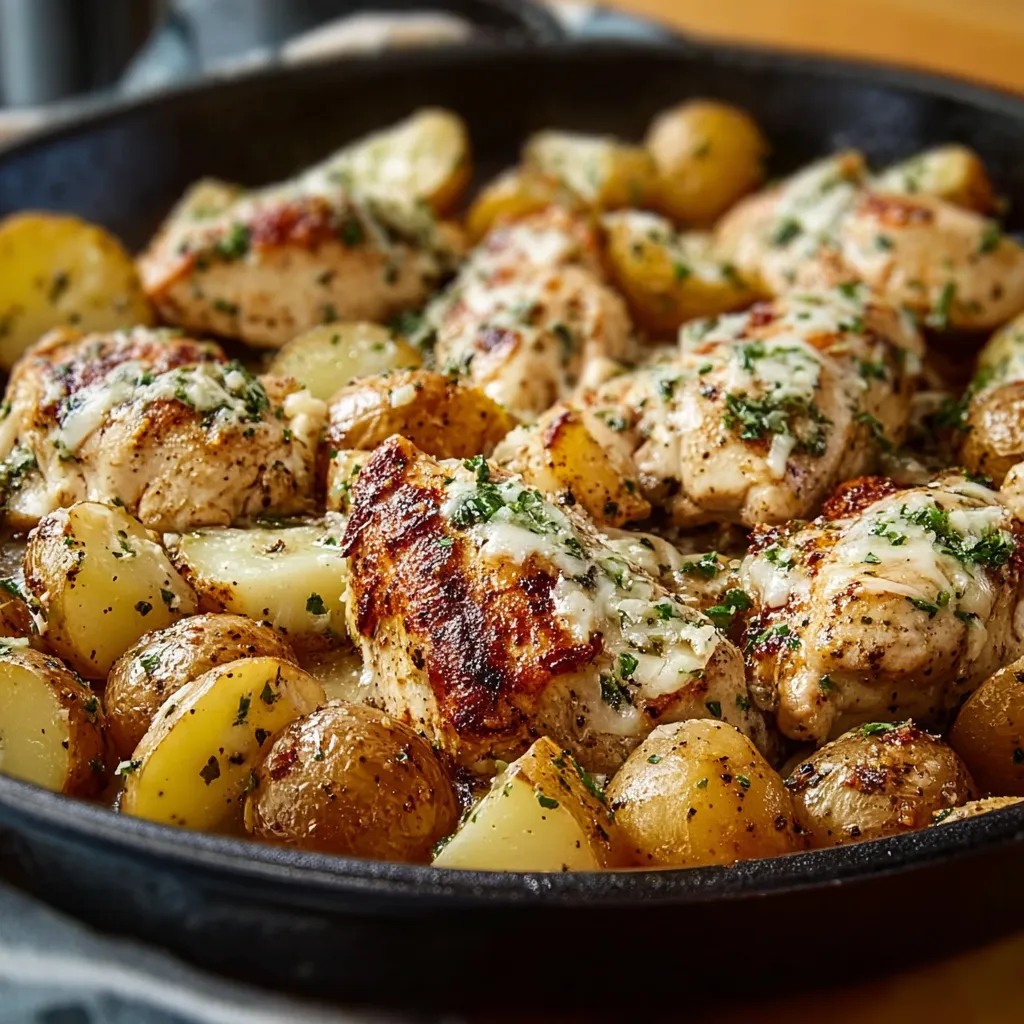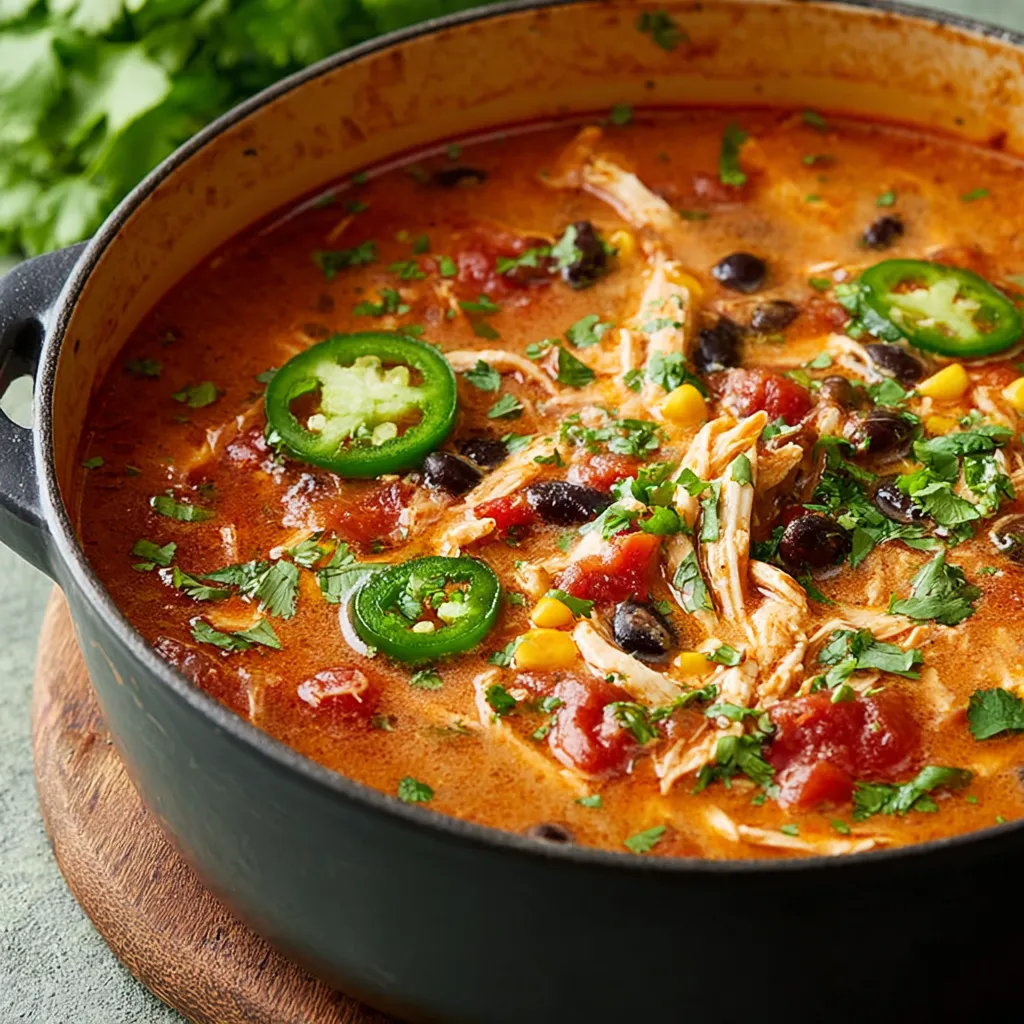

Unveiling the Cajun Chemistry: The Flavor Foundation
The magic of Cajun Shrimp Pasta lies in understanding the interplay of several key elements. First, the “Cajun trinity” of onion, bell pepper, and celery provides an aromatic base. Sautéing these vegetables properly is crucial; they need to soften and release their sugars without browning too much, which would impart bitterness. Then, there’s the spice blend. A well-balanced Cajun seasoning is non-negotiable, but store-bought blends can vary wildly. Understanding the individual components – paprika, cayenne pepper, garlic powder, onion powder, oregano, thyme, and black pepper – allows you to adjust the heat and flavor profile to your liking. Next, the cream sauce. Many recipes rely solely on heavy cream, which can result in a one-dimensional, overly rich sauce. The best sauces incorporate a combination of cream, chicken broth (or shrimp stock for a more intense seafood flavor), and Parmesan cheese to create depth and complexity. The Parmesan adds umami and helps emulsify the sauce, preventing it from separating. Finally, the shrimp itself. Overcooked shrimp is rubbery and unpleasant. The key is to cook them quickly over high heat until just pink and opaque. Remember, they’ll continue to cook in the sauce, so err on the side of undercooking.The Ultimate Cajun Shrimp Pasta Recipe
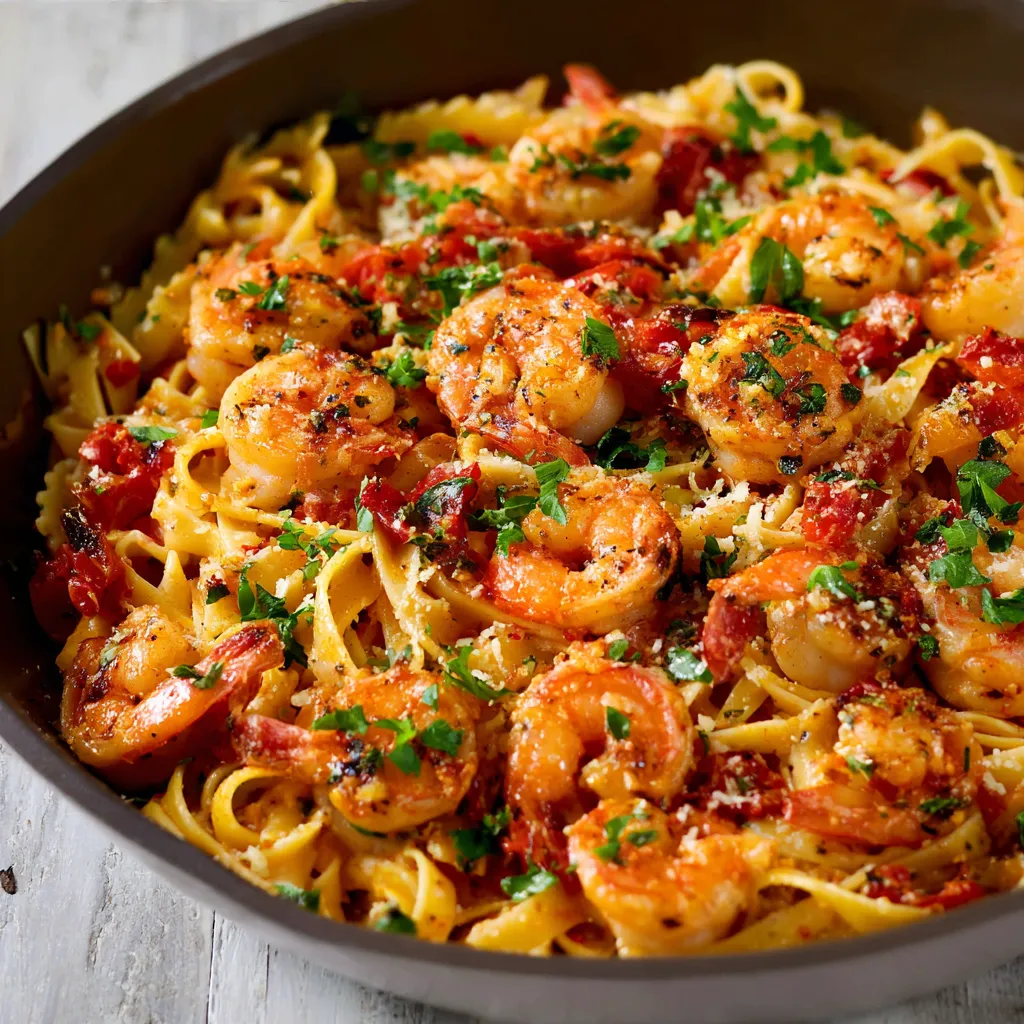 This recipe is the culmination of countless experiments, incorporating the principles I’ve learned to create a Cajun Shrimp Pasta that’s bursting with flavor and perfectly creamy.
Yields
6 servingsPrep time
20 minutesCook time
30 minutesIngredients
- For the Shrimp:
- 1.5 lbs large shrimp, peeled and deveined
- 2 tablespoons Cajun seasoning (see below for homemade blend)
- 1 tablespoon olive oil
- For the Cajun Seasoning (Adjust to your heat preference):
- 2 tablespoons paprika
- 1 tablespoon garlic powder
- 1 tablespoon onion powder
- 1 tablespoon dried oregano
- 1 tablespoon dried thyme
- 1 teaspoon cayenne pepper (adjust to taste)
- 1 teaspoon black pepper
- 1 teaspoon salt
- For the Pasta:
- 1 pound pasta (fettuccine, linguine, or penne work well)
- 2 tablespoons olive oil
- 1 medium onion, chopped
- 1 green bell pepper, chopped
- 1 celery stalk, chopped
- 3 cloves garlic, minced
- 1/2 cup dry white wine (optional, but recommended)
- 2 cups chicken broth (or shrimp stock)
- 1 cup heavy cream
- 1/2 cup grated Parmesan cheese
- 1/4 cup chopped fresh parsley, for garnish
- Salt and pepper to taste
Equipment
- Large pot for pasta
- Large skillet or Dutch oven
Instructions
- Prepare the Cajun Seasoning: In a small bowl, combine paprika, garlic powder, onion powder, oregano, thyme, cayenne pepper, black pepper, and salt. Mix well.
- Cook the Pasta: Bring a large pot of salted water to a boil. Add pasta and cook according to package directions until al dente. Reserve about 1 cup of pasta water before draining.
- Season the Shrimp: In a bowl, toss shrimp with 2 tablespoons of Cajun seasoning and 1 tablespoon of olive oil.
- Sauté the Vegetables: Heat 2 tablespoons of olive oil in a large skillet or Dutch oven over medium heat. Add onion, bell pepper, and celery and cook until softened, about 5-7 minutes. Add garlic and cook for another minute until fragrant.
- Deglaze the Pan: (Optional) Pour in the white wine and scrape up any browned bits from the bottom of the pan. Let the wine reduce slightly, about 2 minutes. This adds a layer of complexity to the sauce.
- Create the Sauce: Pour in the chicken broth (or shrimp stock) and bring to a simmer. Let it reduce slightly, about 5 minutes. Stir in the heavy cream and Parmesan cheese. Season with salt and pepper to taste.
- Cook the Shrimp: Add the seasoned shrimp to the sauce. Cook until the shrimp are pink and opaque, about 3-5 minutes, turning halfway through. Be careful not to overcook the shrimp.
- Combine and Serve: Add the cooked pasta to the sauce and toss to coat. If the sauce is too thick, add a little of the reserved pasta water until it reaches your desired consistency. Garnish with fresh parsley and serve immediately.
My Shrimp-tastic Journey: From Bland to Brilliant
The Early Days: Spice Rack Roulette
My first few attempts at Cajun Shrimp Pasta were a disaster. Like many of you, I initially thought that simply throwing some store-bought Cajun seasoning on shrimp and mixing it with cream and pasta would do the trick. Wrong! The result was a muddy, one-dimensional flavor that tasted suspiciously like… nothing. It was like I was making Garlic Parmesan Chicken Pasta Ultimate but with a vague hint of something spicy but not good. I realized I needed to understand the nuances of Cajun seasoning.The Spice Blend Breakthrough
I dove into the world of spices, experimenting with different ratios of paprika, cayenne, garlic powder, and other ingredients. Then, I had an “Aha!” moment when I realized that the quality of the spices mattered just as much as the proportions. Using fresh, high-quality spices made a huge difference. I also discovered that toasting the spices lightly before grinding them intensified their flavor. This was a game changer! I had also made a mistake by not understanding the difference between this and recipes like the Philly Cheese Steak Pasta – they both rely on the balance of seasonings.The Sauce Saga: Cream vs. Complexity
Next, I tackled the sauce. My initial attempts relied solely on heavy cream, which was undeniably rich but lacked depth. The sauce would also separate sometimes. The solution? Adding chicken broth (or shrimp stock) to thin out the cream and create a more complex flavor profile. And the secret weapon? Parmesan cheese. Not only does it add a salty, umami richness, but it also helps emulsify the sauce, preventing it from breaking. It was a night and day difference. It was nothing like the healthy dinner I had tried to create in my previous attempt to make Garlic Parmesan Chicken Pasta Healthy Dinner.The Shrimp Showdown: Avoiding the Rubber Band Effect
Finally, the shrimp. Overcooking shrimp is a cardinal sin, resulting in a rubbery texture that no amount of seasoning can fix. I experimented with different cooking methods and times, eventually discovering that the key is to cook the shrimp quickly over high heat until just pink and opaque. Remove them from the heat source just before they seem fully cooked, as they will continue to cook in the sauce. I had to take it slow, unlike making the Cajun Chicken Pasta Perfect. I had to pay attention to the shrimp.A Seafood Stock Suggestion
Another great “Aha!” moment was when I tried using seafood stock instead of chicken stock. The dish I was making was already going to include shrimp, so adding the seafood stock gave it that extra boost of flavor, that I realized was missing. It was a similar discovery I had when I tried making Cajun Chicken Tortellini Recipe, and I realized how important having the base stock was in the meal.The Foolproof Method: A Checklist for Culinary Success
Here’s the distilled essence of my Cajun Shrimp Pasta journey, presented as a simple, foolproof method:- Master the Cajun Spice Blend: Use fresh, high-quality spices and adjust the cayenne pepper to your heat preference. Consider toasting the spices lightly before grinding for a more intense flavor.
- Sauté the Trinity: Cook the onion, bell pepper, and celery until softened but not browned. This creates a sweet, aromatic base for the sauce.
- Deglaze the Pan (Optional but Recommended): Add white wine to deglaze the pan after sautéing the vegetables. This adds a layer of complexity to the sauce.
- Build a Balanced Sauce: Combine chicken broth (or shrimp stock), heavy cream, and Parmesan cheese for a creamy, flavorful sauce with depth.
- Perfect the Shrimp: Cook the shrimp quickly over high heat until just pink and opaque. Remove from heat before they are fully cooked, as they will continue to cook in the sauce.
- Don’t Overcook the Pasta: Cook the pasta al dente. You want it to have a bit of bite.
- Combine and Adjust: Add the cooked pasta to the sauce and toss to coat. If the sauce is too thick, add a little reserved pasta water until it reaches your desired consistency.
- Garnish and Serve: Garnish with fresh parsley and serve immediately. The freshness of the parsley goes a long way.
Why is it important to use a combination of cream, chicken broth (or shrimp stock), and Parmesan cheese in the Cajun Shrimp Pasta sauce?
Using a combination of cream, chicken broth (or shrimp stock), and Parmesan cheese creates depth and complexity in the sauce. Heavy cream alone can be one-dimensional and overly rich. Chicken broth (or shrimp stock) thins out the cream and adds flavor, while Parmesan cheese adds umami and helps emulsify the sauce, preventing it from separating.
What is the “Cajun trinity” and why is it important for Cajun Shrimp Pasta?
The “Cajun trinity” consists of onion, bell pepper, and celery. It’s important because it provides an aromatic base for the dish. Sautéing these vegetables properly allows them to soften and release their sugars, creating a sweet and flavorful foundation for the sauce.
How do you prevent the shrimp from becoming rubbery when making Cajun Shrimp Pasta?
To prevent rubbery shrimp, cook them quickly over high heat until just pink and opaque. It’s crucial to err on the side of undercooking, as they will continue to cook in the sauce. Remove them from the heat source just before they seem fully cooked.
Is it essential to deglaze the pan with white wine when making the Cajun Shrimp Pasta?
While deglazing the pan with white wine is optional, the article recommends it. Deglazing helps scrape up any browned bits from the bottom of the pan, adding a layer of complexity to the sauce.
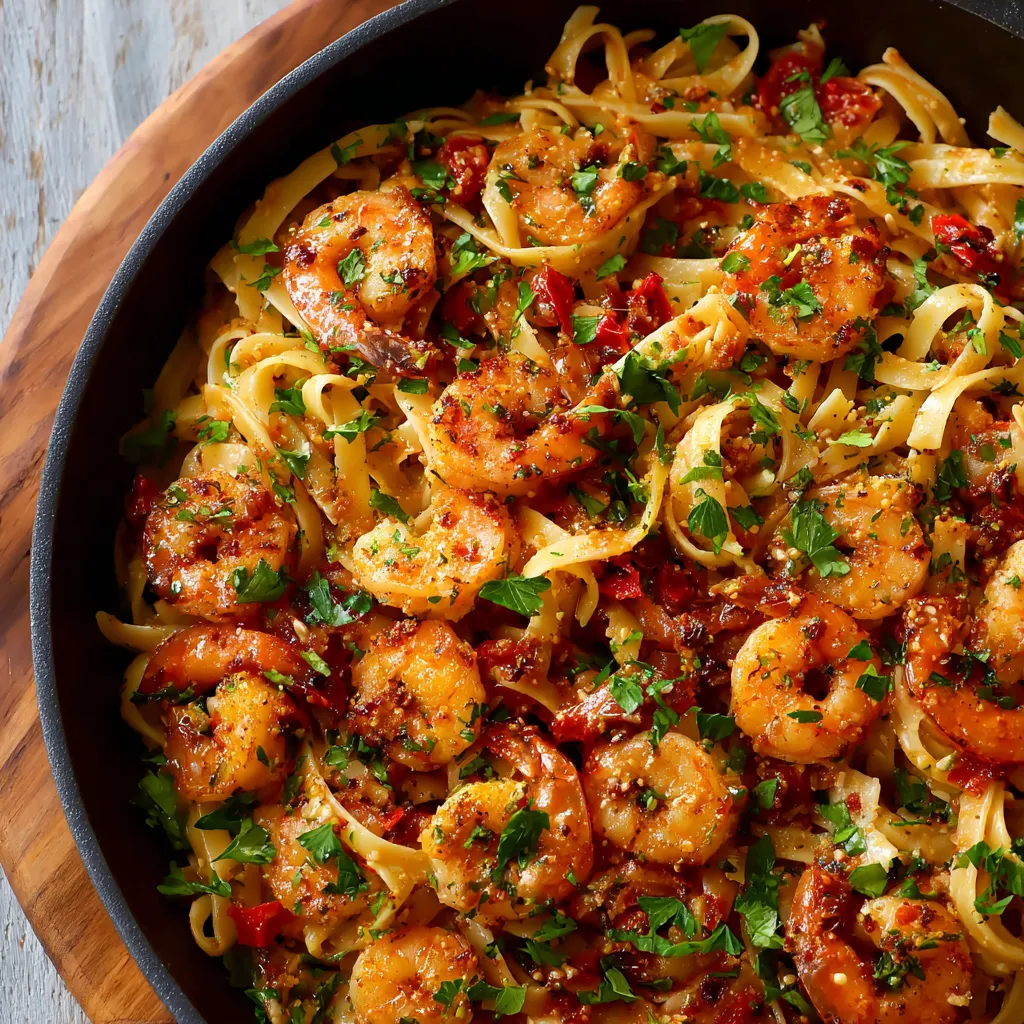
BEST CAJUN SHRIMP PASTA
Ingredients
Equipment
Method
- Prepare the Cajun Seasoning: In a small bowl, combine paprika, garlic powder, onion powder, oregano, thyme, cayenne pepper, black pepper, and salt. Mix well.
- Cook the Pasta: Bring a large pot of salted water to a boil. Add pasta and cook according to package directions until al dente. Reserve about 1 cup of pasta water before draining.
- Season the Shrimp: In a bowl, toss shrimp with 2 tablespoons of Cajun seasoning and 1 tablespoon of olive oil.
- Sauté the Vegetables: Heat 2 tablespoons of olive oil in a large skillet or Dutch oven over medium heat. Add onion, bell pepper, and celery and cook until softened, about 5-7 minutes. Add garlic and cook for another minute until fragrant.
- Deglaze the Pan: (Optional) Pour in the white wine and scrape up any browned bits from the bottom of the pan. Let the wine reduce slightly, about 2 minutes.
- Create the Sauce: Pour in the chicken broth (or shrimp stock) and bring to a simmer. Let it reduce slightly, about 5 minutes. Stir in the heavy cream and Parmesan cheese. Season with salt and pepper to taste.
- Cook the Shrimp: Add the seasoned shrimp to the sauce. Cook until the shrimp are pink and opaque, about 3-5 minutes, turning halfway through. Be careful not to overcook the shrimp.
- Combine and Serve: Add the cooked pasta to the sauce and toss to coat. If the sauce is too thick, add a little of the reserved pasta water until it reaches your desired consistency. Garnish with fresh parsley and serve immediately.