
Decoding the Creaminess Conundrum: The Science of White Bean Soup
The magic of white bean soup, at its core, is about transforming humble, starchy beans into a luxurious, velvety smooth experience. This transformation hinges on a few crucial elements: bean type, starch gelatinization, and the emulsification of fats.- Bean Type: Different white beans possess varying starch contents and textures. Cannellini beans, with their creamy interior and delicate skin, are often considered the gold standard. Great Northern beans are a close second, offering a slightly firmer texture. Navy beans, while perfectly acceptable, tend to break down more readily and may result in a soup that’s a bit *too* homogenous.
- Starch Gelatinization: Cooking beans in liquid causes their starch granules to absorb water and swell, a process known as gelatinization. This is what gives the soup its body and thickness. The longer the beans cook, the more starch is released into the liquid, creating a creamier texture. However, overcooking can lead to mushy beans and a starchy, gluey soup – a delicate balance to strike.
- Emulsification: The addition of fat, whether from olive oil, bacon, or pancetta, plays a critical role in creating a rich and cohesive soup. Fat molecules coat the starch granules, preventing them from clumping together and contributing to a smoother, more luxurious mouthfeel. Blending a portion of the soup further aids in emulsification, creating a velvety texture without the need for heavy cream.
The Ultimate White Bean Soup Recipe: A Culinary Masterpiece
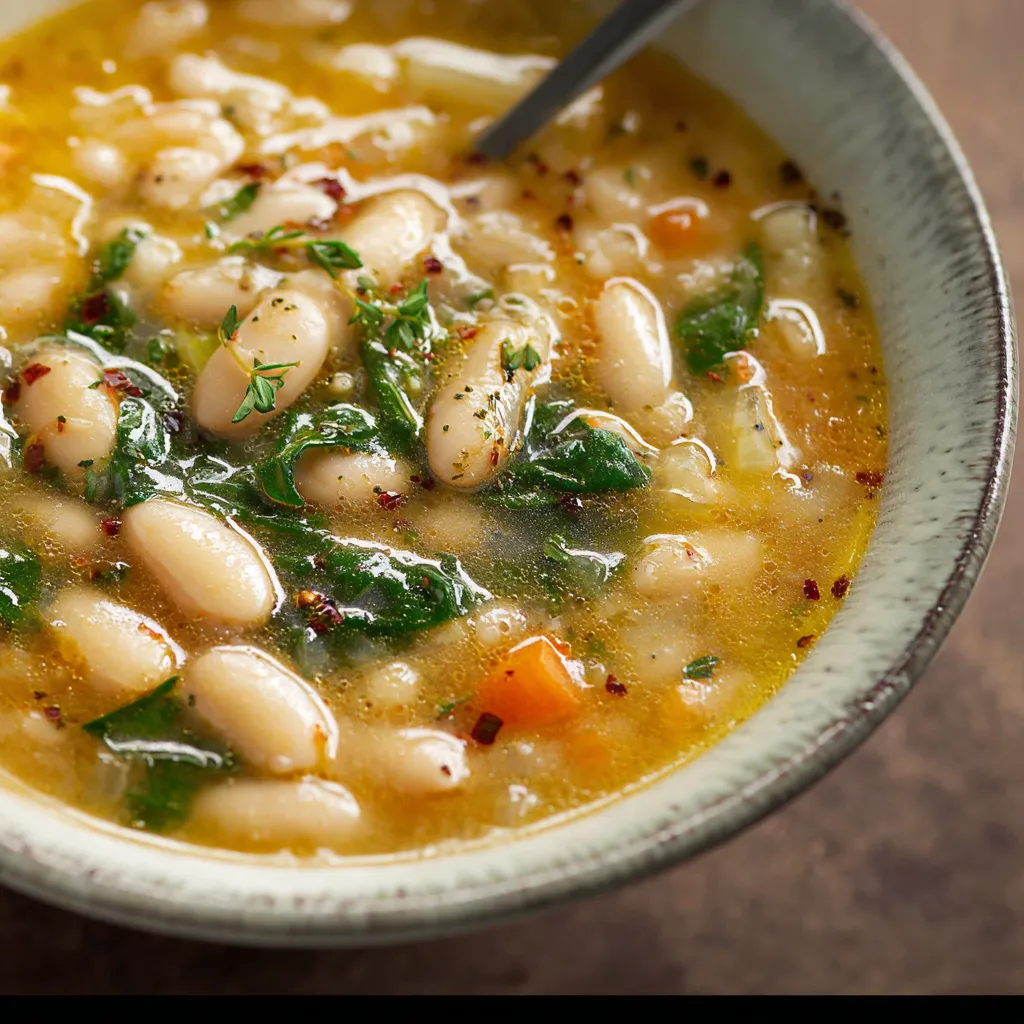 This recipe reflects my years of experimentation and incorporates the scientific principles I’ve outlined. Get ready for the best white bean soup you’ve ever tasted.
Ingredients:
- 1 pound dried cannellini beans, rinsed and picked over
- 10 cups chicken broth (low sodium)
- 4 tablespoons extra virgin olive oil
- 1 large yellow onion, chopped
- 2 carrots, chopped
- 2 celery stalks, chopped
- 4 cloves garlic, minced
- 1 teaspoon dried thyme
- 1/2 teaspoon dried rosemary
- 1/4 teaspoon red pepper flakes (optional)
- 1 bay leaf
- Salt and freshly ground black pepper to taste
- 2 tablespoons lemon juice, or to taste
- Optional toppings: chopped fresh parsley, grated Parmesan cheese, drizzle of olive oil
Instructions:
- Soak the Beans: Place the rinsed beans in a large pot and cover with cold water by at least 2 inches. Let soak for at least 8 hours, or preferably overnight. Drain and rinse the beans before proceeding. This step helps to reduce cooking time and improve digestibility.
- Sauté the Aromatics: In a large pot or Dutch oven, heat the olive oil over medium heat. Add the onion, carrots, and celery and cook until softened, about 8-10 minutes. Add the garlic, thyme, rosemary, and red pepper flakes (if using) and cook for another minute until fragrant.
- Simmer the Soup: Add the drained beans, chicken broth, and bay leaf to the pot. Bring to a boil, then reduce heat to low, cover, and simmer for 1 1/2 to 2 hours, or until the beans are very tender.
- Blend for Creaminess: Remove the bay leaf. Using an immersion blender, carefully blend about half of the soup until smooth and creamy. Alternatively, transfer half of the soup to a regular blender (in batches!) and blend until smooth, then return it to the pot. Be cautious when blending hot liquids.
- Season and Finish: Season the soup with salt, pepper, and lemon juice to taste. Simmer for another 10 minutes to allow the flavors to meld.
- Serve: Ladle the soup into bowls and garnish with chopped fresh parsley, grated Parmesan cheese, and a drizzle of olive oil, if desired.
The Great White Bean Soup Quest: My Investigative Journey
Like many of you, I initially thought white bean soup was a no-brainer. Beans, broth, veggies – how could it go wrong? My first few attempts were a disaster. The soup was either bland, watery, or had that dreaded starchy, gluey texture. It was clear I needed to dig deeper.The Bland Bean Blues
Initially, the soup lacked depth of flavor. It tasted…well, like beans and broth. I realized I wasn’t properly building the flavor base. I started experimenting with different aromatics.- The Aroma Revelation: I discovered the power of a generous sauté of onions, carrots, and celery (mirepoix) cooked low and slow to coax out their sweetness. The addition of garlic, thyme, and rosemary added warmth and complexity. Then, I had an “Aha!” moment: a pinch of red pepper flakes provided a subtle kick that balanced the richness of the beans. I also learned that quality broth makes a huge difference. Homemade is best, but a good low-sodium chicken broth is a close second. I now keep Vegetable Soup base on hand for situations like these.
Conquering the Starch Monster
My next challenge was tackling the dreaded starchy texture.- Soaking Solution: I learned that soaking the beans overnight not only reduces cooking time but also helps to remove some of the indigestible carbohydrates that contribute to the starchy texture.
- The Blend is Your Friend: The biggest breakthrough came when I started blending a portion of the soup. This transformed the texture from grainy to velvety smooth without relying on heavy cream. I found that blending about half of the soup provided the perfect balance of creaminess and texture. I now use the same technique when making Italian Penicillin Soup.
Fat is Flavor (and Texture!)
Finally, I realized the importance of fat.- Olive Oil Infusion: A generous drizzle of good quality extra virgin olive oil not only adds flavor but also helps to emulsify the soup, creating a richer, more luxurious mouthfeel. I also experimented with adding bacon or pancetta for a smoky, savory note. The result was phenomenal, but I preferred the lighter, cleaner flavor of olive oil for everyday enjoyment. You could add bacon to the White Chicken Lasagna Soup to get a similar effect.
The Foolproof Formula: Mastering the White Bean Soup Technique
After countless batches, I’ve distilled my white bean soup method into a foolproof formula:- Soak the Beans: Always soak your beans overnight to reduce cooking time and improve texture.
- Build the Flavor Base: Sauté aromatics (onion, carrots, celery, garlic, herbs) slowly to develop depth of flavor.
- Use Quality Broth: Choose a good quality low-sodium chicken broth or, even better, homemade broth.
- Simmer Low and Slow: Cook the beans until they are very tender but not mushy.
- Blend for Creaminess: Blend about half of the soup to create a velvety texture.
- Season with Acidity: Add lemon juice or vinegar to brighten the flavors and balance the richness.
- Finish with Fat: Drizzle with good quality olive oil for added flavor and mouthfeel.
Why is soaking the beans overnight recommended for this white bean soup recipe?
Soaking the beans overnight helps to reduce cooking time and also removes some of the indigestible carbohydrates that contribute to a starchy texture in the soup.
What type of white beans are best to use in this soup, and why?
Cannellini beans are considered the best due to their creamy interior and delicate skin. Great Northern beans are a good alternative, offering a slightly firmer texture.
How does blending part of the soup contribute to its overall texture?
Blending about half of the soup transforms the texture from grainy to velvety smooth without the need for heavy cream, creating a desirable creamy consistency.
What is the role of fat, like olive oil, in white bean soup, according to the article?
Fat, such as a drizzle of good quality extra virgin olive oil, adds flavor and helps to emulsify the soup, creating a richer, more luxurious mouthfeel.
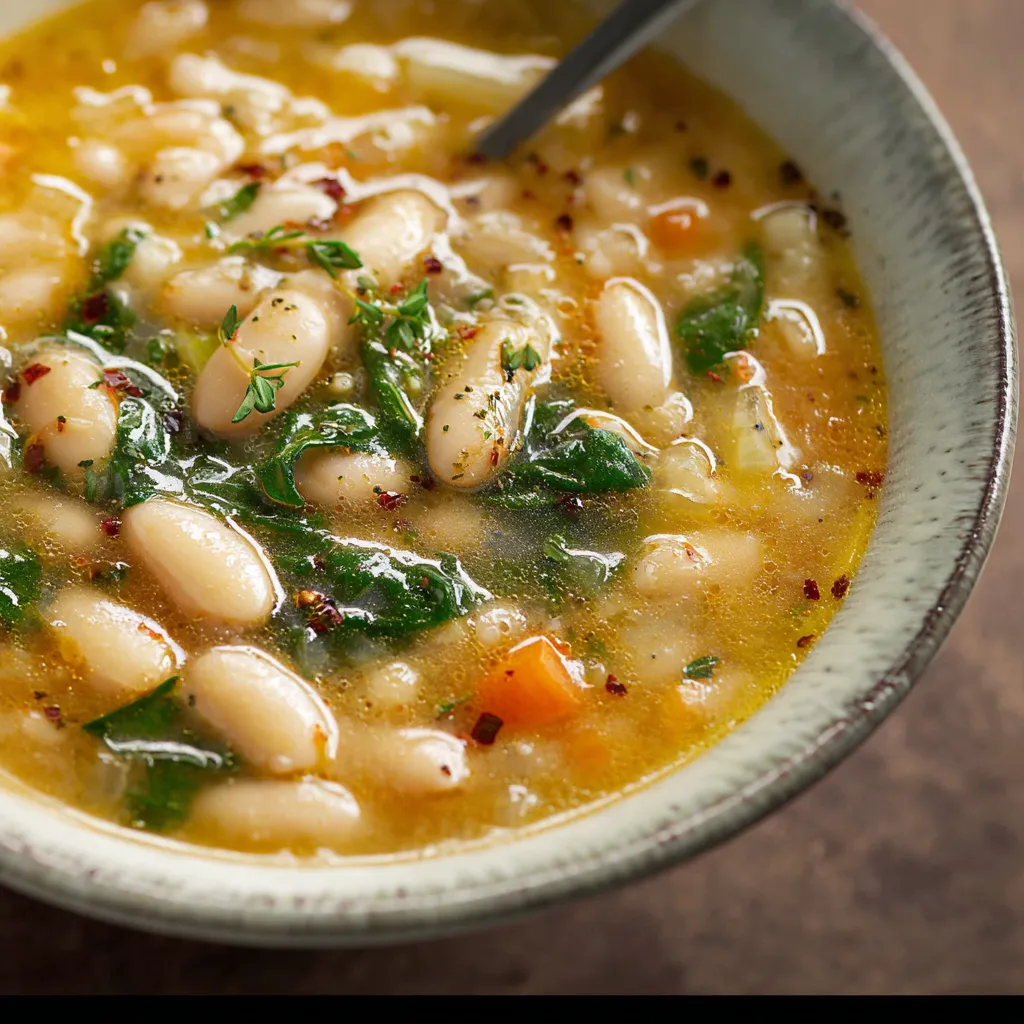
BEST WHITE BEAN SOUP EVER
This white bean soup recipe transforms humble ingredients into a creamy and flavorful masterpiece. By understanding the science behind bean selection, starch gelatinization, and emulsification, you can create a soup with a velvety smooth texture and deeply savory taste. This recipe incorporates key techniques like soaking the beans, sautéing aromatics, and blending for creaminess, ensuring the best white bean soup you’ve ever tasted.
Ingredients
Equipment
Method
- Soak the Beans: Place the rinsed beans in a large pot and cover with cold water by at least 2 inches. Let soak for at least 8 hours, or preferably overnight. Drain and rinse the beans before proceeding.
- Sauté the Aromatics: In a large pot or Dutch oven, heat the olive oil over medium heat. Add the onion, carrots, and celery and cook until softened, about 8-10 minutes. Add the garlic, thyme, rosemary, and red pepper flakes (if using) and cook for another minute until fragrant.
- Simmer the Soup: Add the drained beans, chicken broth, and bay leaf to the pot. Bring to a boil, then reduce heat to low, cover, and simmer for 1 1/2 to 2 hours, or until the beans are very tender.
- Blend for Creaminess: Remove the bay leaf. Using an immersion blender, carefully blend about half of the soup until smooth and creamy. Alternatively, transfer half of the soup to a regular blender (in batches!) and blend until smooth, then return it to the pot. Be cautious when blending hot liquids.
- Season and Finish: Season the soup with salt, pepper, and lemon juice to taste. Simmer for another 10 minutes to allow the flavors to meld.
- Serve: Ladle the soup into bowls and garnish with chopped fresh parsley, grated Parmesan cheese, and a drizzle of olive oil, if desired.
Notes
For a smoky flavor, add bacon or pancetta while sautéing the aromatics. The soup can be stored in an airtight container in the refrigerator for up to 3 days. Freezing is also possible, but the texture may change slightly upon thawing. Experiment with different herbs and spices to customize the flavor to your liking. A splash of white wine vinegar can be used in place of lemon juice.