
The Umami Enigma: Unlocking Korean Ground Beef’s Secrets
The magic behind Korean ground beef lies in its perfect balance of sweet, savory, and umami flavors. But what *is* umami? It’s not just saltiness, sweetness, sourness, or bitterness. Umami is that “more-ish” quality, that deeply savory, almost meaty flavor that keeps you coming back for another bite. Scientifically, umami is triggered by the presence of glutamate, an amino acid naturally found in many foods. In Korean ground beef, we boost umami through ingredients like soy sauce, garlic, and ginger, which are all naturally high in glutamates. The sugar (or honey) counteracts the saltiness of the soy sauce, creating a harmonious blend. The sesame oil adds a nutty aroma and flavor, while the gochujang (if using) brings a subtle, fermented heat that elevates the entire dish. The cooking process itself also plays a role. Searing the ground beef creates Maillard reaction products, the complex compounds that give browned foods their characteristic flavor and aroma. This deepens the savory notes and adds another layer of complexity to the umami profile.The “Easy Korean Ground Beef Bowl” Recipe
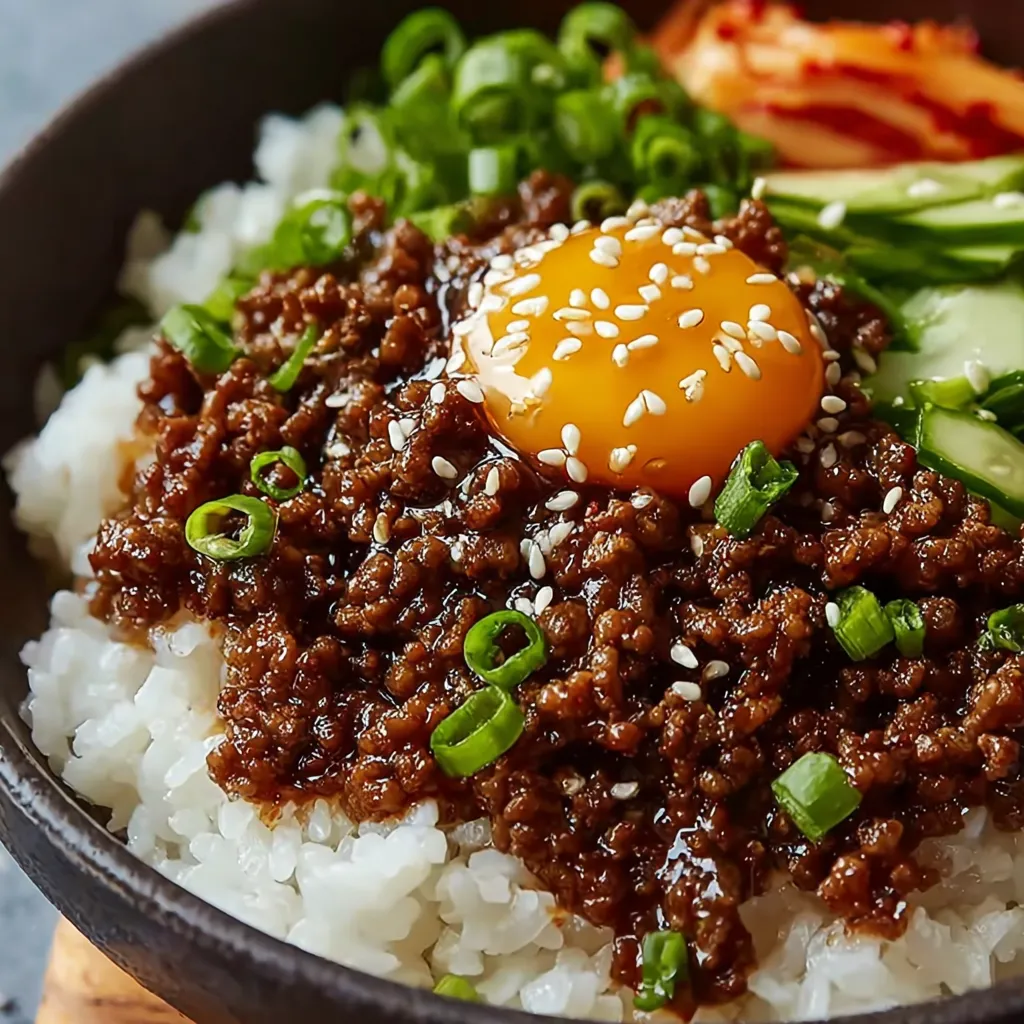 This recipe is designed to be simple, adaptable, and incredibly flavorful. Feel free to adjust the ingredients to your liking, but this is a great starting point.
Ingredients:
- 1 pound ground beef (80/20 is recommended for flavor)
- 2 cloves garlic, minced
- 1 inch ginger, grated
- 1/4 cup soy sauce
- 2 tablespoons brown sugar (or honey)
- 1 tablespoon sesame oil
- 1 teaspoon gochujang (Korean chili paste, optional)
- 1/4 cup water
- Cooked rice, for serving
- Optional toppings: sliced green onions, sesame seeds, kimchi, a fried egg
Instructions:
- In a large skillet or wok, brown the ground beef over medium-high heat. Break it up with a spoon as it cooks. Drain off any excess grease.
- Add the minced garlic and grated ginger to the skillet and cook for about 1 minute, until fragrant. Be careful not to burn the garlic.
- In a small bowl, whisk together the soy sauce, brown sugar (or honey), sesame oil, gochujang (if using), and water.
- Pour the sauce over the ground beef and bring to a simmer. Cook for about 5-7 minutes, or until the sauce has thickened slightly and the beef is coated.
- Serve the Korean ground beef over cooked rice. Top with your favorite toppings, such as sliced green onions, sesame seeds, kimchi, or a fried egg.
The Culinary Investigation: My Quest for the Perfect Bowl
My journey to the perfect Korean ground beef bowl was paved with, let’s just say, *interesting* results. My first few attempts were a disaster of either blandness or overwhelming saltiness. Then, I had an “Aha!” moment when I started thinking about the *balance* of flavors.The Great Soy Sauce Snafu
Like many of you, I initially thought that more soy sauce equaled more flavor. Wrong! My first batch was so salty, it could have preserved a mummy. The key, I discovered, was to balance the soy sauce with sweetness. Brown sugar or honey works wonders here.The Ginger Revelation
I used to be timid with ginger, afraid of overpowering the dish. However, I found that freshly grated ginger makes a huge difference. The vibrant, slightly spicy flavor really elevates the beef. Using ginger powder in a pinch is acceptable, but fresh ginger is far superior. I even tried candying ginger and adding it as a topping which was a delicious experiment.The Gochujang Gamble
Gochujang was another ingredient I initially shied away from. I thought it would be too spicy, but I was pleasantly surprised. A teaspoon or two adds a subtle, fermented heat that perfectly complements the other flavors. If you’re sensitive to spice, start with a smaller amount and add more to taste. You can even try gochujang paste in other recipes, like Beef And Broccoli Lo Mein.The Rice Ruminations
The type of rice matters! Fluffy, slightly sticky rice (like short-grain or medium-grain) is ideal for soaking up the flavorful sauce. I experimented with different types of rice, including brown rice and jasmine rice, but found that short-grain rice provided the best texture and flavor. This experience made me consider what kind of rice would work best with a Taco Rice Bowl as well.The Topping Triumph
Don’t underestimate the power of toppings! A sprinkle of sesame seeds, a handful of sliced green onions, or a dollop of kimchi can take your Korean ground beef bowl to the next level. I even tried adding a fried egg on top, which added a creamy richness that was absolutely divine. It made me think that a fried egg would also make a great addition to Philly Cheesesteak Bowls.The Foolproof Method: Your Path to Korean Ground Beef Bliss
After countless iterations and taste tests, I’ve distilled the process down to a few key steps:- Brown the Beef Properly: Don’t overcrowd the pan. Brown the beef in batches if necessary to ensure even browning and maximum flavor development.
- Don’t Skimp on the Aromatics: Garlic and ginger are essential for that authentic Korean flavor. Use fresh ingredients whenever possible.
- Balance the Flavors: Soy sauce provides the saltiness, brown sugar (or honey) provides the sweetness, and sesame oil adds the nutty aroma. Adjust the ratios to your liking.
- Embrace the Gochujang (Optional): If you like a little heat, gochujang is a fantastic addition. Start with a small amount and add more to taste.
- Choose the Right Rice: Fluffy, slightly sticky rice is ideal for soaking up the sauce.
- Top It Off! Don’t forget the toppings! Green onions, sesame seeds, kimchi, and a fried egg are all great options.
What is umami and why is it important in Korean ground beef?
Umami is a deeply savory, almost meaty flavor that keeps you coming back for more. It’s created by glutamates, which are boosted in this dish by ingredients like soy sauce, garlic, and ginger. It provides a key flavor profile in this dish.
What kind of ground beef is recommended for this recipe, and why?
80/20 ground beef is recommended for flavor. The higher fat content contributes to a richer and more flavorful dish.
What are some suggested toppings for the Korean ground beef bowl?
Suggested toppings include sliced green onions, sesame seeds, kimchi, and a fried egg. These toppings add flavor and texture to the bowl.
What type of rice is best to use with this bowl?
Fluffy, slightly sticky rice, such as short-grain or medium-grain rice, is ideal for soaking up the flavorful sauce.
Easy Korean Ground Beef Bowl
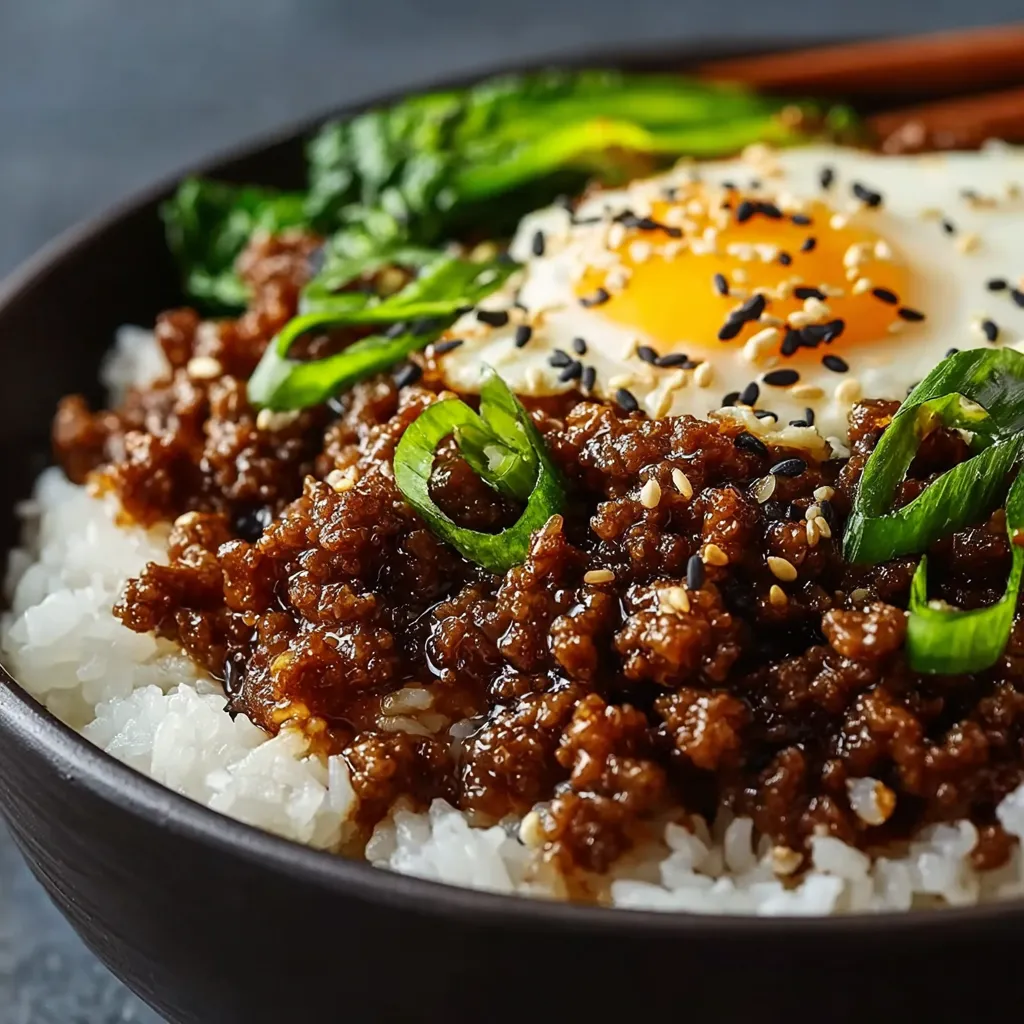
This Korean ground beef bowl recipe delivers a quick and flavorful weeknight meal. It perfectly balances sweet, savory, and umami flavors, offering a satisfying and adaptable dish that’s easy to customize with your favorite toppings.
Ingredients
Equipment
Method
- In a large skillet or wok, brown the ground beef over medium-high heat. Break it up with a spoon as it cooks. Drain off any excess grease.
- Add the minced garlic and grated ginger to the skillet and cook for about 1 minute, until fragrant. Be careful not to burn the garlic.
- In a small bowl, whisk together the soy sauce, brown sugar (or honey), sesame oil, gochujang (if using), and water.
- Pour the sauce over the ground beef and bring to a simmer. Cook for about 5-7 minutes, or until the sauce has thickened slightly and the beef is coated.
- Serve the Korean ground beef over cooked rice. Top with your favorite toppings, such as sliced green onions, sesame seeds, kimchi, or a fried egg.
Notes
Adjust the ingredients to your liking. For a less salty dish, reduce the amount of soy sauce. Freshly grated ginger makes a huge difference in flavor. If you are sensitive to spice, start with a smaller amount of gochujang. Leftovers can be stored in the refrigerator for up to 3 days. Fluffy, slightly sticky rice (like short-grain or medium-grain) is ideal for soaking up the flavorful sauce.