
Soup Alchemy: Unlocking the Secrets of Flavor
At its heart, soup-making is a science. It’s about extracting and layering flavors to create a harmonious whole. With sausage soup, understanding a few key principles is paramount. The first, and perhaps most important, is the *Maillard reaction*. This chemical reaction between amino acids and reducing sugars, primarily occurring at high temperatures, is responsible for the browning and complex flavor development we crave. Think of it as the flavor engine of your soup. Secondly, consider the impact of *fat*. Sausage is inherently fatty, and that fat carries a tremendous amount of flavor. Rendering that fat properly, and then using it to sauté your vegetables, is crucial. Finally, balance is key. Sausage can be quite assertive, so you need acidity (from tomatoes or vinegar), sweetness (from carrots or caramelized onions), and herbaceousness (from herbs like thyme or oregano) to create a truly balanced soup.The Ultimate Sausage Soup Recipe
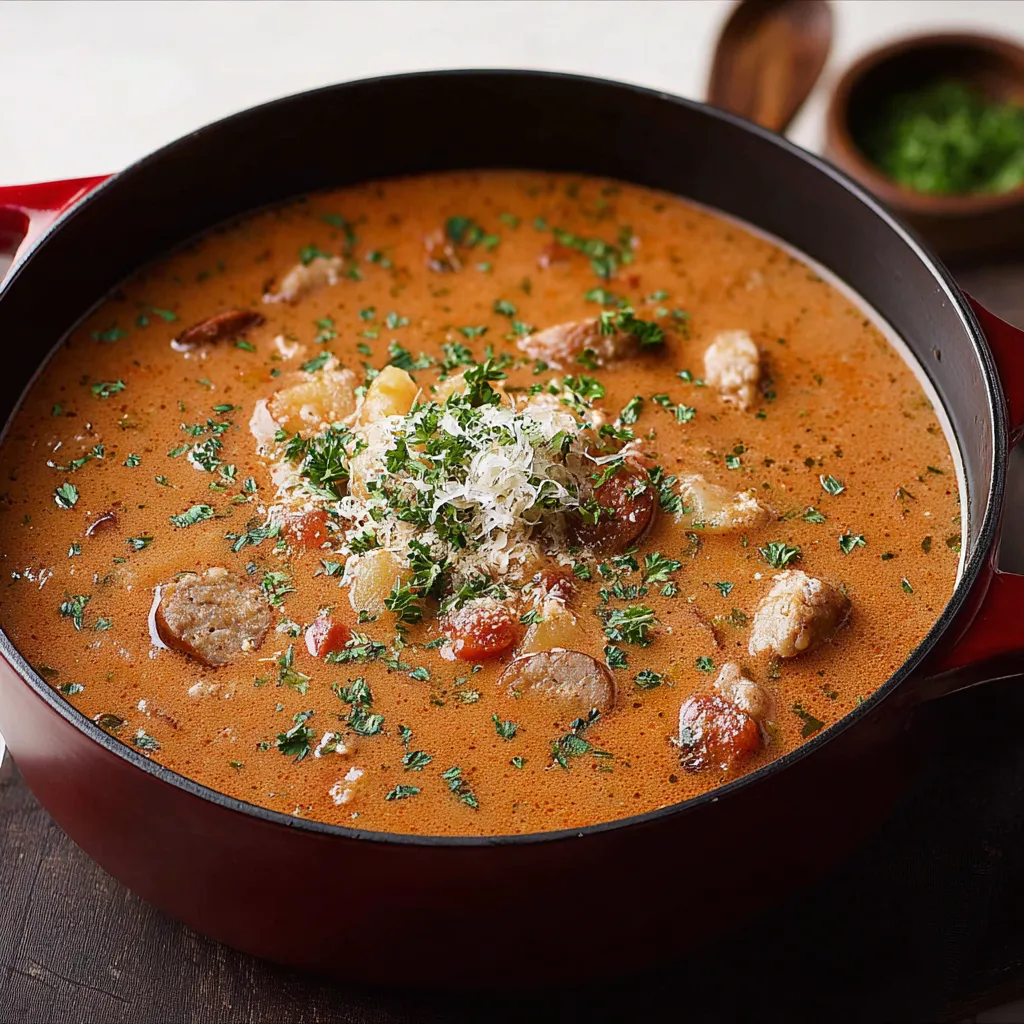 This recipe reflects my years of tinkering and fine-tuning, incorporating the principles of flavor development and balance.
Ingredients:
- Sausage: 1 pound Italian sausage (hot or sweet, or a mix), removed from casings
- Aromatics: 1 large onion, chopped; 2 carrots, chopped; 2 celery stalks, chopped; 4 cloves garlic, minced
- Broth: 6 cups chicken broth (low sodium preferred)
- Tomatoes: 1 (28 ounce) can crushed tomatoes
- Greens: 4 cups chopped kale or spinach
- Beans: 1 (15 ounce) can cannellini beans, rinsed and drained
- Herbs & Spices: 1 teaspoon dried oregano; 1/2 teaspoon dried thyme; 1/4 teaspoon red pepper flakes (optional); Salt and pepper to taste
- Oil: 1 tablespoon olive oil (if needed)
Instructions:
- Brown the Sausage: In a large pot or Dutch oven, brown the sausage over medium-high heat, breaking it up with a spoon as it cooks. Once browned, remove the sausage from the pot and set aside, leaving the rendered fat in the pot. If the sausage didn’t render much fat, add 1 tablespoon of olive oil.
- Sauté the Aromatics: Add the chopped onion, carrots, and celery to the pot and cook over medium heat until softened, about 5-7 minutes, scraping up any browned bits from the bottom of the pot. This is where that Maillard reaction really shines! Add the minced garlic and cook for another minute until fragrant.
- Build the Broth: Pour in the chicken broth and crushed tomatoes. Stir to combine. Add the oregano, thyme, and red pepper flakes (if using). Bring to a simmer.
- Simmer and Infuse: Return the browned sausage to the pot. Reduce the heat to low, cover, and simmer for at least 30 minutes, or up to an hour. The longer it simmers, the more the flavors will meld.
- Add the Greens and Beans: Stir in the chopped kale or spinach and cannellini beans. Cook until the greens are wilted, about 5 minutes.
- Season and Serve: Season with salt and pepper to taste. Serve hot, garnished with grated Parmesan cheese or a dollop of sour cream, if desired.
From Soup Novice to Sausage Soup Sage: My Culinary Odyssey
My journey to perfecting sausage soup was far from smooth. My first few attempts were a disaster – bland, watery, and lacking that comforting depth of flavor. I initially thought it was just a matter of throwing everything into a pot and letting it simmer. How wrong I was!The Soggy Sausage Saga
My first misstep was failing to properly brown the sausage. I just tossed it into the pot with the vegetables, and it ended up steaming rather than browning. The result? A pale, flavorless sausage that contributed nothing to the overall soup. The soup itself was insipid. It tasted like hot water with vaguely meaty undertones.The Bland Vegetable Blunder
Next, I underestimated the importance of the aromatics. I used too few onions, carrots, and celery, and I didn’t sauté them long enough. They ended up undercooked and lacking their characteristic sweetness. I also didn’t realize that the browned bits at the bottom of the pot – the fond – were a flavor goldmine. I was basically throwing away a huge source of umami! This time I tried adding some Italian Penicillin Soup (Italian Penicillin Soup) spices to boost the flavor, but still wasn’t quite there.The Tomato Tangle
Then, I had an “Aha!” moment when I realized the importance of the tomatoes. I had been using diced tomatoes, which, while convenient, didn’t break down properly and left the soup with a chunky, uneven texture. Switching to crushed tomatoes made a huge difference, creating a smoother, more cohesive soup base. This was also when I started using low-sodium chicken broth. That helped control the saltiness. I also considered adding some Creamy Taco Soup spices, but decided against it as that would not fit the recipe.The “Aha!” Moment: Mastering the Maillard Reaction
The real turning point came when I understood the Maillard reaction. I realized that browning the sausage *before* adding the vegetables was crucial. Not only did it develop a rich, savory flavor in the sausage itself, but it also left behind flavorful rendered fat that I could then use to sauté the vegetables. Scraping up the browned bits from the bottom of the pot further amplified the flavor. From there, my sausage soup transformed from a culinary disappointment into a comforting and satisfying meal. After that, my soup improved dramatically, and I even tried making Italian Sausage Gnocchi Soup. It was a perfect compliment.The Foolproof Technique: Sausage Soup Simplified
After countless iterations, I’ve distilled the process down to a simple, foolproof technique:- Brown the Sausage First: Don’t skip this step! It’s the foundation of the flavor.
- Sauté the Aromatics Properly: Cook the onions, carrots, and celery until softened and slightly caramelized. Don’t rush it.
- Use Crushed Tomatoes: They create a smoother, richer soup base.
- Simmer, Simmer, Simmer: Give the soup time to simmer and allow the flavors to meld.
- Season Generously: Don’t be afraid to season with salt and pepper to taste.
Why is browning the sausage so important in this recipe?
Browning the sausage allows the Maillard reaction to occur, which develops a rich, savory flavor in the sausage. The rendered fat can then be used to sauté the vegetables, further enhancing the flavor of the soup.
What makes crushed tomatoes a better choice than diced tomatoes for this soup?
Crushed tomatoes break down properly during cooking, creating a smoother and richer soup base compared to diced tomatoes, which can leave the soup with a chunky, uneven texture.
How long should I simmer the soup for the best flavor?
The recipe recommends simmering the soup for at least 30 minutes, or up to an hour. The longer it simmers, the more the flavors will meld together.
What is the Maillard reaction and why is it important for soup making?
The Maillard reaction is a chemical reaction between amino acids and reducing sugars that occurs at high temperatures. It’s responsible for browning and complex flavor development, essentially the “flavor engine” of the soup. Browning the sausage and sautéing the aromatics help to trigger this reaction.
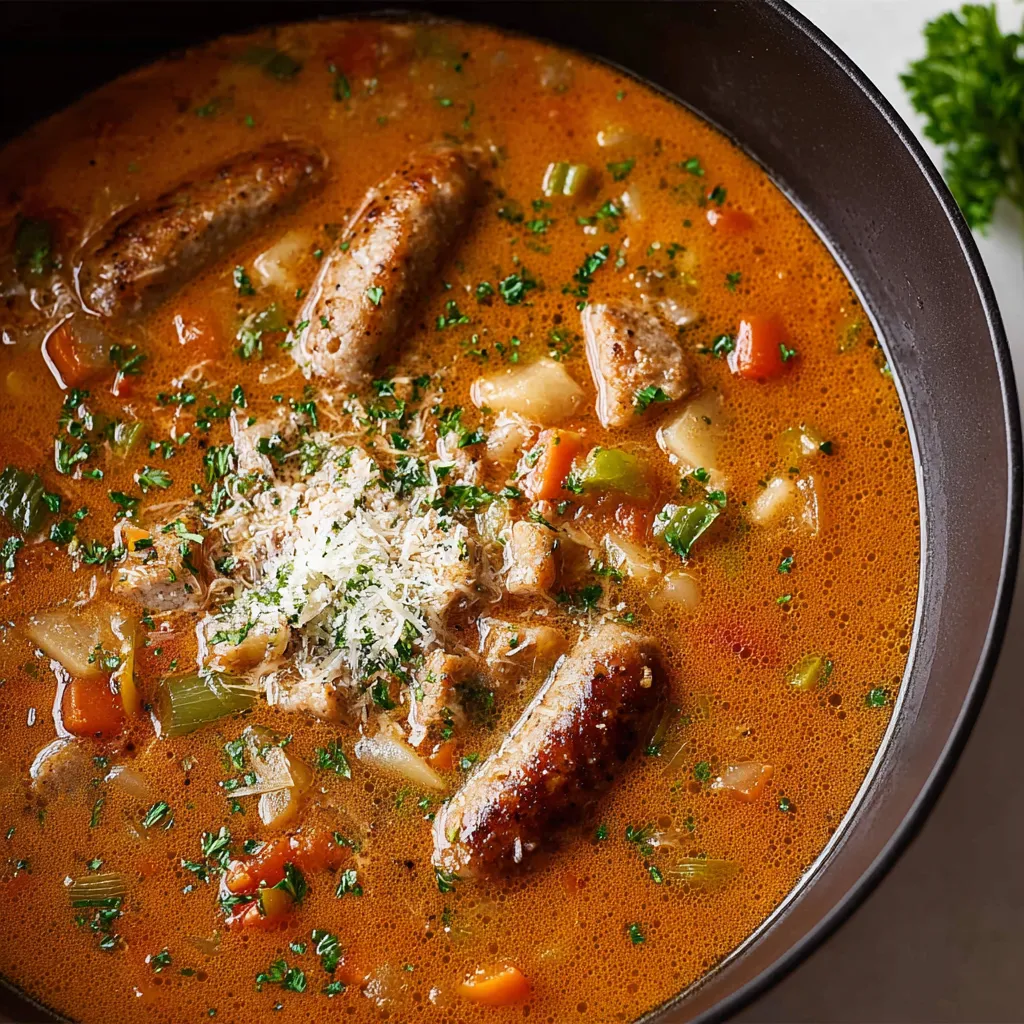
Easy Sausage Soup Recipe
Ingredients
Equipment
Method
- In a large pot or Dutch oven, brown the sausage over medium-high heat, breaking it up with a spoon as it cooks. Once browned, remove the sausage from the pot and set aside, leaving the rendered fat in the pot. If the sausage didn’t render much fat, add 1 tablespoon of olive oil.
- Add the chopped onion, carrots, and celery to the pot and cook over medium heat until softened, about 5-7 minutes, scraping up any browned bits from the bottom of the pot. Add the minced garlic and cook for another minute until fragrant.
- Pour in the chicken broth and crushed tomatoes. Stir to combine. Add the oregano, thyme, and red pepper flakes (if using). Bring to a simmer.
- Return the browned sausage to the pot. Reduce the heat to low, cover, and simmer for at least 30 minutes, or up to an hour. The longer it simmers, the more the flavors will meld.
- Stir in the chopped kale or spinach and cannellini beans. Cook until the greens are wilted, about 5 minutes.
- Season with salt and pepper to taste. Serve hot, garnished with grated Parmesan cheese or a dollop of sour cream, if desired.