
Deciphering the Creaminess Code: A Scientific Perspective
The key to a truly exceptional creamy tomato pasta lies in understanding the interplay of acidity, fat, and starch. Tomatoes, naturally acidic, can cause cream to curdle if not handled properly. The fat component, typically cream, butter, or olive oil (or a combination!), contributes to the luxurious texture. Starch, released from the pasta as it cooks, acts as a natural thickener and emulsifier, helping to bind the sauce together. Achieving harmony among these elements is where the magic happens. Too much acid, and your cream separates. Not enough fat, and the sauce lacks richness. Insufficient starch, and the sauce is thin and watery. The goal is a stable emulsion, a smooth, velvety sauce that clings beautifully to the pasta. This is the core principle behind recipes like Garlic Parmesan Chicken Pasta where creaminess is key.The Ultimate Creamy Tomato Pasta Recipe
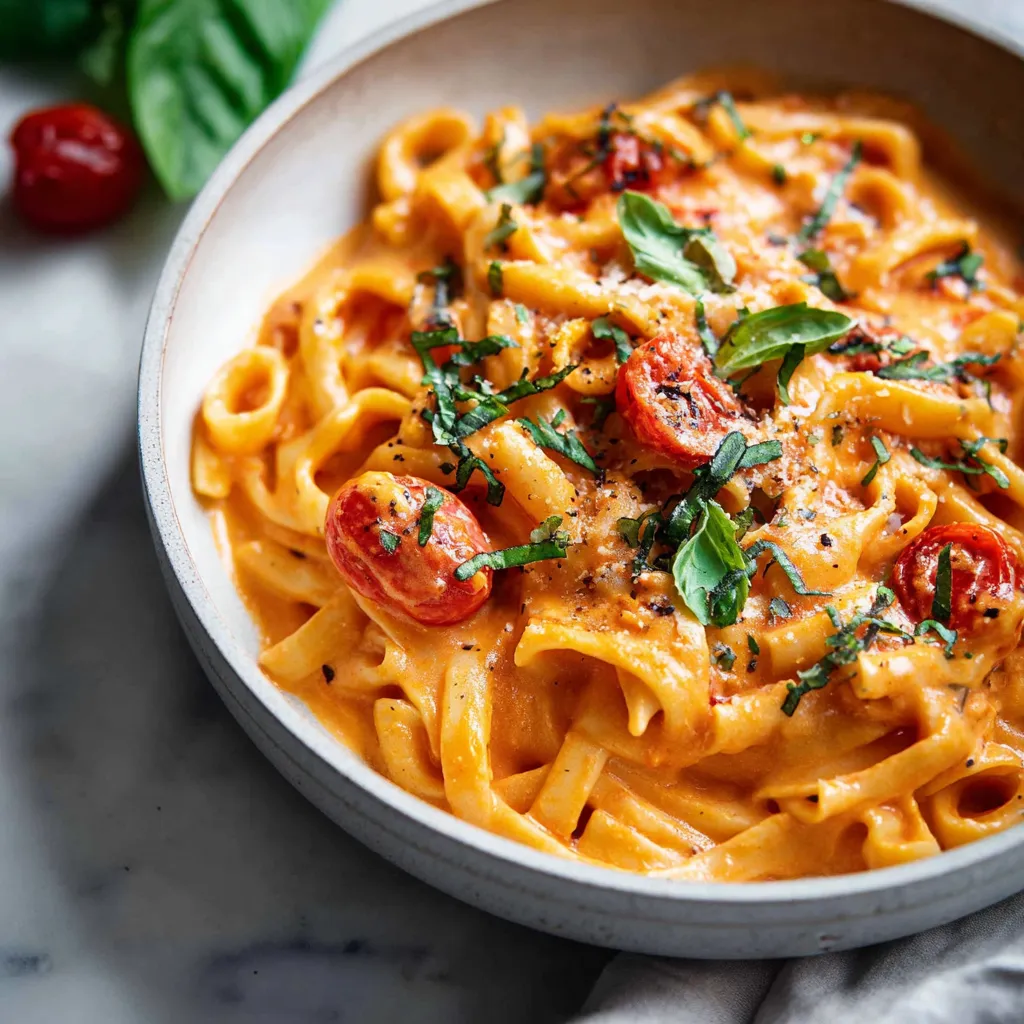 This recipe reflects my hard-won knowledge and is designed to deliver consistently delicious results.
Ingredients:
- 1 pound pasta (penne, rigatoni, or your favorite shape)
- 2 tablespoons olive oil
- 4 cloves garlic, minced
- 1/2 teaspoon red pepper flakes (optional)
- 1 (28 ounce) can crushed tomatoes
- 1 (15 ounce) can tomato sauce
- 1/2 cup heavy cream
- 1/4 cup grated Parmesan cheese, plus more for serving
- 1/4 cup fresh basil, chopped
- Salt and freshly ground black pepper to taste
- Optional: 1/4 cup vodka (for vodka sauce variation)
Instructions:
- Cook the pasta according to package directions until al dente. Reserve about 1 cup of pasta water before draining.
- While the pasta is cooking, heat the olive oil in a large skillet over medium heat. Add the garlic and red pepper flakes (if using) and cook until fragrant, about 1 minute. Be careful not to burn the garlic.
- If making a vodka sauce variation, add the vodka at this point and cook for 1-2 minutes, allowing the alcohol to evaporate.
- Add the crushed tomatoes and tomato sauce to the skillet. Season with salt and pepper to taste. Bring to a simmer and cook for 15-20 minutes, stirring occasionally, to allow the sauce to thicken and the flavors to meld.
- Reduce the heat to low. Stir in the heavy cream and Parmesan cheese until smooth and well combined.
- Add the drained pasta to the sauce and toss to coat. If the sauce is too thick, add a little of the reserved pasta water until it reaches your desired consistency.
- Stir in the fresh basil.
- Serve immediately, garnished with additional Parmesan cheese.
Confessions of a Creamy Tomato Sauce Creator: My Investigation
My creamy tomato pasta journey was far from smooth. My first few attempts were a disaster – either watery and flavorless or curdled and acidic. Then, I had an “Aha!” moment: understanding the science behind the sauce was the key.The Great Curdling Catastrophe
Like many of you, I initially thought simply dumping cream into hot tomato sauce would magically create a creamy masterpiece. Wrong! The high acidity of the tomatoes, especially when combined with high heat, caused the cream to separate and curdle, resulting in a grainy, unappetizing sauce. My first lesson was to temper the cream. By slowly adding a small amount of the hot tomato sauce to the cream, I could gradually raise its temperature and reduce the risk of curdling. This is similar to how one might approach the creaminess in Creamy Garlic Parmesan Chicken Pasta, which also relies on a stable creamy sauce.The Quest for Flavor
Initially, my sauce was… bland. Just tomato-y and creamy, but lacking depth. I experimented with different types of tomatoes – fresh, canned whole, crushed, pureed. Canned crushed tomatoes, I discovered, provided the best balance of texture and flavor. Roasting fresh tomatoes beforehand added sweetness and complexity, but was too time-consuming for a weeknight meal. Then, I realized I was neglecting the aromatics. A generous amount of garlic, sautéed in olive oil until fragrant, was crucial. A pinch of red pepper flakes added a subtle kick. And fresh basil, stirred in at the end, provided a burst of freshness that brightened the entire dish. I even considered adding a touch of vodka, as in a vodka sauce, which I know many use in recipes like Taco Pasta to help emulsify the sauce and add a little complexity.The Starch Factor
The final piece of the puzzle was the pasta water. I had always discarded it, assuming it was just starchy waste. But then I learned that pasta water is liquid gold. The starch released from the pasta as it cooks acts as a natural thickener and emulsifier, helping to bind the sauce together and create a velvety texture. By reserving a cup of pasta water and adding it to the sauce as needed, I could control the consistency and create a sauce that clung beautifully to the pasta.The Foolproof Creamy Tomato Pasta Technique
Here’s a step-by-step guide to creamy tomato pasta perfection, incorporating everything I’ve learned:- Cook the Pasta Perfectly: Cook your pasta al dente, reserving at least 1 cup of the pasta water before draining.
- Bloom the Aromatics: Sauté garlic (and red pepper flakes, if using) in olive oil until fragrant, but not browned.
- Build the Flavor Base: Add crushed tomatoes and tomato sauce. Simmer for at least 15 minutes to develop the flavors. For a vodka sauce variation, add the vodka after the garlic and cook for 1-2 minutes before adding the tomatoes.
- Temper the Cream: Gently stir in the heavy cream and Parmesan cheese over low heat. Do not boil.
- Emulsify and Adjust: Add the drained pasta to the sauce and toss to coat. Use the reserved pasta water to adjust the consistency of the sauce, adding a little at a time until it reaches your desired thickness.
- Finish with Freshness: Stir in fresh basil just before serving.
- Serve Immediately: Garnish with additional Parmesan cheese.
Why did the author’s first attempts at creamy tomato pasta fail?
The author’s initial attempts failed because the acidity of the tomatoes caused the cream to curdle, resulting in a grainy sauce. The sauce also lacked depth of flavor.
What is the purpose of reserving pasta water when making creamy tomato pasta?
Pasta water is used to thicken the sauce and help it emulsify, creating a velvety texture and allowing it to cling better to the pasta.
What is the key to preventing the cream from curdling when added to the tomato sauce?
The key is to temper the cream by slowly adding a small amount of the hot tomato sauce to the cream to gradually raise its temperature and reduce the risk of curdling.
What are some ingredients that can enhance the flavor of creamy tomato pasta?
Garlic, red pepper flakes, fresh basil, and Parmesan cheese can significantly enhance the flavor of creamy tomato pasta. A touch of vodka, as in a vodka sauce variation, can also add complexity.
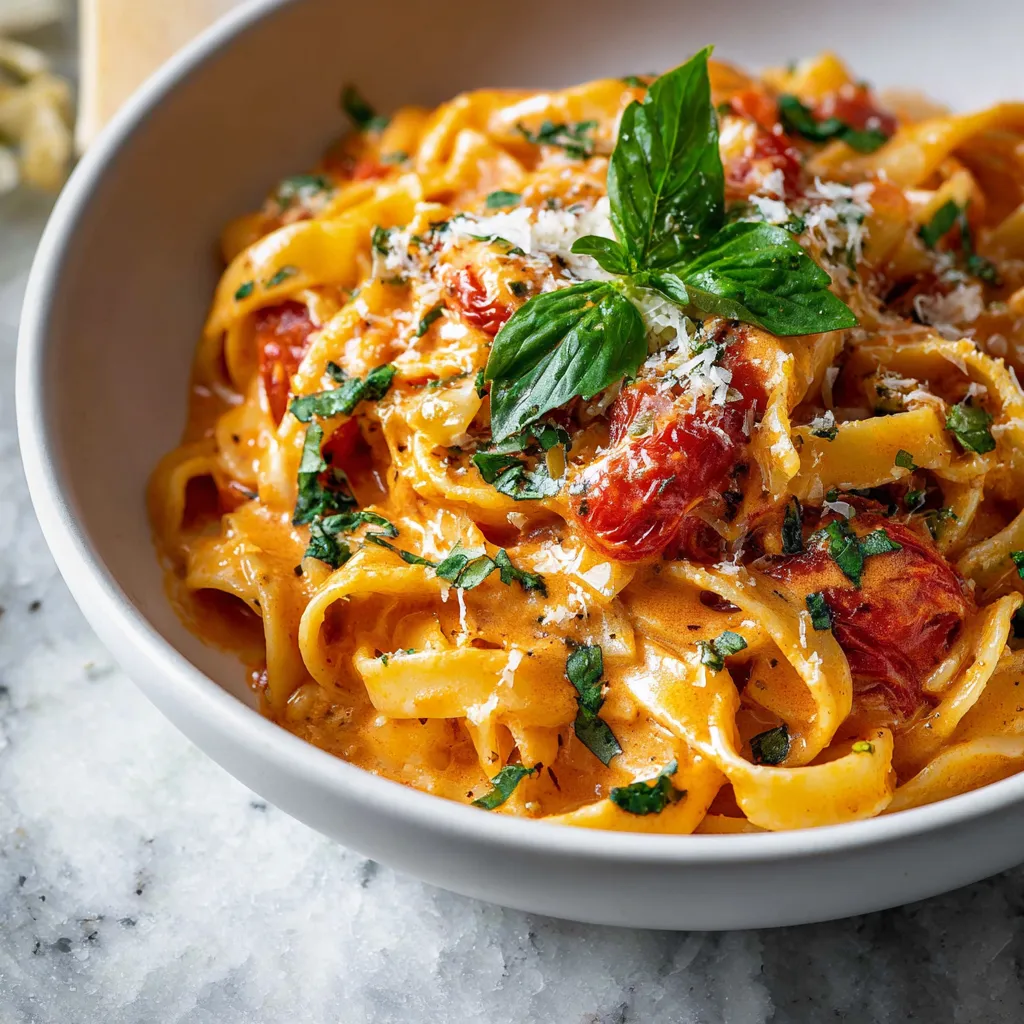
Creamy Tomato Pasta
This Creamy Tomato Pasta recipe delivers a perfect balance of rich, tangy, and creamy flavors. By understanding the interplay of acidity, fat, and starch, you can create a smooth, velvety sauce that clings beautifully to your favorite pasta shape.
Ingredients
Equipment
Method
- Cook the pasta according to package directions until al dente. Reserve about 1 cup of pasta water before draining.
- While the pasta is cooking, heat the olive oil in a large skillet over medium heat. Add the garlic and red pepper flakes (if using) and cook until fragrant, about 1 minute. Be careful not to burn the garlic.
- If making a vodka sauce variation, add the vodka at this point and cook for 1-2 minutes, allowing the alcohol to evaporate.
- Add the crushed tomatoes and tomato sauce to the skillet. Season with salt and pepper to taste. Bring to a simmer and cook for 15-20 minutes, stirring occasionally, to allow the sauce to thicken and the flavors to meld.
- Reduce the heat to low. Stir in the heavy cream and Parmesan cheese until smooth and well combined.
- Add the drained pasta to the sauce and toss to coat. If the sauce is too thick, add a little of the reserved pasta water until it reaches your desired consistency.
- Stir in the fresh basil.
- Serve immediately, garnished with additional Parmesan cheese.
Notes
To prevent the cream from curdling, temper it by slowly adding a small amount of the hot tomato sauce to the cream before adding the cream to the rest of the sauce. For a richer flavor, roast fresh tomatoes before crushing them and adding them to the sauce. Leftovers can be stored in an airtight container in the refrigerator for up to 3 days.