
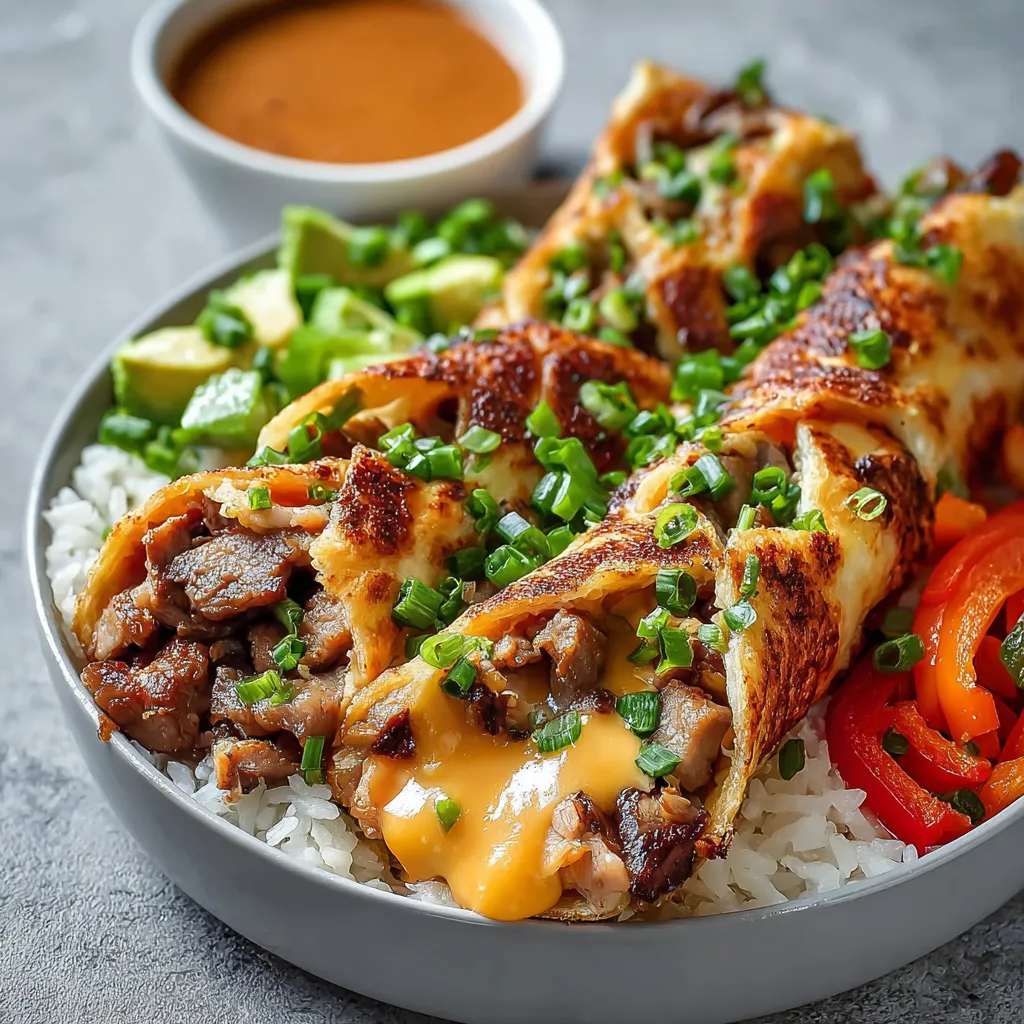
Philly Cheesesteak Rolls: Can we capture that iconic, messy deliciousness in a neat, shareable package? My culinary journey to answer this question led me through greasy pitfalls and surprisingly elegant solutions, transforming a bar food classic into a party-perfect appetizer.
The Alchemical Transformation: Beef, Cheese, and Bread
The magic of a Philly Cheesesteak lies in the synergy of its core components: thinly sliced beef, melted cheese, and a sturdy roll. But translating that experience to a smaller, rolled format requires careful consideration of the underlying science. The beef, ideally ribeye, benefits from quick, high-heat cooking to maximize tenderness and minimize moisture loss – crucial for preventing soggy rolls. The cheese, traditionally provolone or Cheez Whiz (we’ll explore variations!), needs to melt evenly and consistently without separating or becoming oily. Finally, the roll (or in this case, a pastry puff) provides structural integrity and a textural counterpoint to the savory filling. Understanding these elements is key to achieving a cohesive and delectable final product. My first few attempts focused almost entirely on flavor, and the results were…well, let’s just say they weren’t pretty. I learned the hard way that structural integrity is just as important as taste when it comes to roll-ups.
The Definitive Philly Cheesesteak Roll Recipe
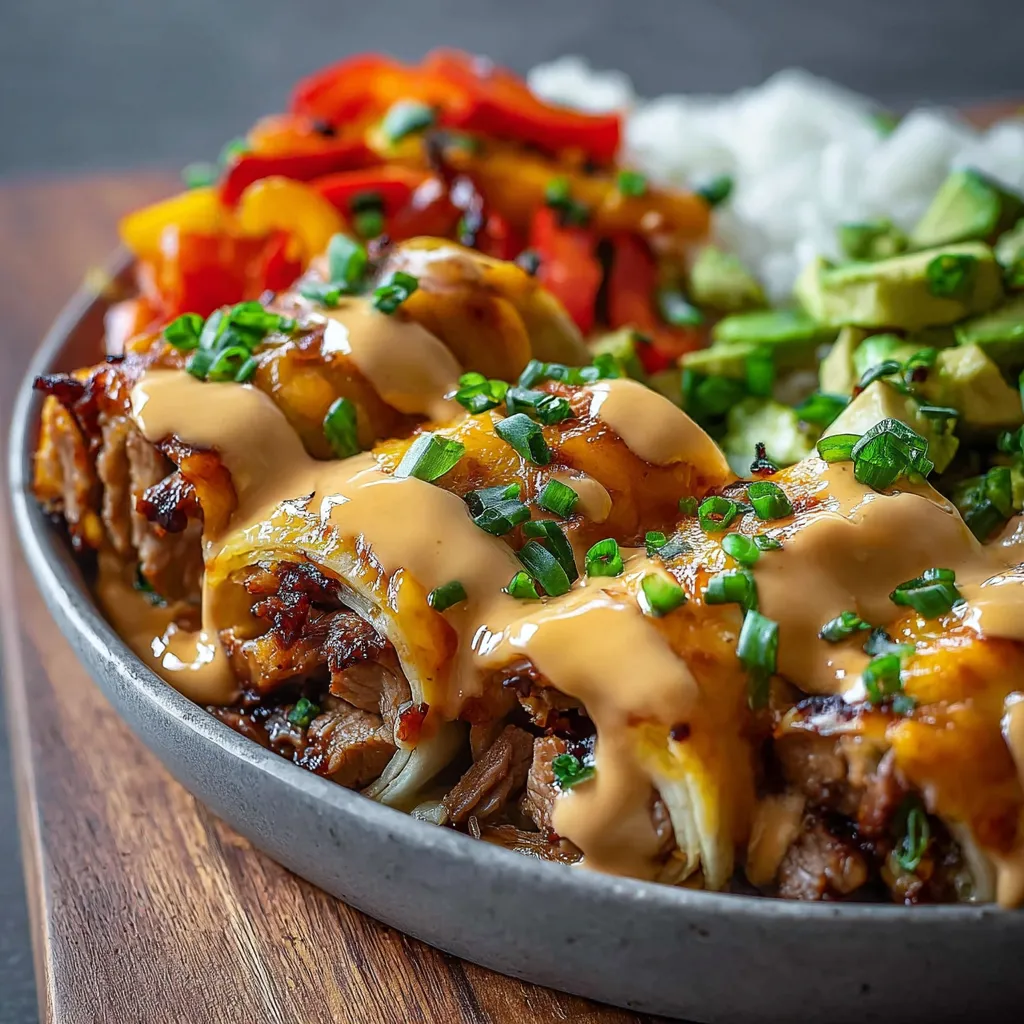
Here’s the recipe I’ve honed through rigorous testing, designed to deliver maximum cheesesteak flavor in every bite-sized roll:
Yields:
Approximately 24 rolls
Prep time:
25 minutes
Cook time:
20-25 minutes
Ingredients:
- 1 pound ribeye steak, thinly sliced against the grain
- 1 tablespoon olive oil
- 1 medium onion, thinly sliced
- 1 green bell pepper, thinly sliced (optional, but adds a nice touch)
- 8 ounces provolone cheese, sliced or shredded (or Cheez Whiz, for the purists)
- 1 package (14.1 ounces) frozen puff pastry sheets, thawed
- 1 egg, beaten (for egg wash)
- Optional: Salt, black pepper, garlic powder to taste
Equipment:
- Large skillet or griddle
- Baking sheet
- Parchment paper
- Sharp knife or pizza cutter
Instructions:
- Prepare the filling: Heat olive oil in a large skillet or griddle over medium-high heat. Add sliced steak and cook until browned and cooked through, about 3-5 minutes. Season with salt, pepper, and garlic powder to taste. Remove steak from skillet and set aside.
- Sauté the vegetables: In the same skillet, add sliced onion and bell pepper (if using). Cook until softened and slightly caramelized, about 5-7 minutes.
- Combine the filling: Return the cooked steak to the skillet with the onions and peppers. Toss to combine.
- Assemble the rolls: Unfold one sheet of puff pastry on a lightly floured surface. Spread half of the steak and vegetable mixture evenly over the puff pastry. Top with half of the provolone cheese (or dollops of Cheez Whiz).
- Roll it up: Starting from one end, tightly roll up the puff pastry into a log. Repeat with the remaining puff pastry sheet and filling.
- Slice and arrange: Using a sharp knife or pizza cutter, slice each log into approximately 1-inch thick rolls. Place the rolls on a baking sheet lined with parchment paper.
- Egg wash and bake: Brush the top of each roll with beaten egg.
- Bake: Bake in a preheated oven at 375°F (190°C) for 20-25 minutes, or until golden brown and puffed.
- Serve: Let cool slightly before serving. Enjoy!
The Great Philly Cheesesteak Roll Investigation
This recipe wasn’t born overnight. It was forged in the fires of culinary experimentation (and a few minor kitchen mishaps).
Phase 1: The Soggy Bottom Blues
Like many of you, I initially thought the key to success was maximizing the filling. The more steak and cheese, the better, right? Wrong. My first few batches resulted in soggy, undercooked puff pastry. The excess moisture from the steak and vegetables weighed everything down, preventing the pastry from properly puffing up. The flavor was there, but the texture was all wrong. It was more like a cheesesteak lasagna than a delightful roll.
Phase 2: The Cheese Conundrum
Next, I tackled the cheese. I started with pre-shredded mozzarella, thinking it would melt evenly. It did melt…but it also separated into a greasy, oily mess. Not appealing. I then experimented with different types of provolone – some were too mild, others too sharp. I even tried Cheez Whiz (don’t judge!). The Whiz melted beautifully, but the flavor was a bit overpowering for my taste. The ‘Aha!’ moment came when I realized the importance of using *sliced* provolone and layering it carefully to prevent separation.
Phase 3: The Puff Pastry Predicament
The puff pastry was another challenge. I tried different brands, some flakier than others. I also experimented with different baking temperatures and times. Too low, and the pastry wouldn’t puff. Too high, and it would burn before the filling was heated through. I discovered that thawing the puff pastry properly (but not *too* much) and using an egg wash was crucial for achieving that golden-brown, crispy exterior.
Phase 4: The Perfect Ratio Revelation
Finally, after countless iterations, I stumbled upon the perfect ratio of filling to pastry. Less is more, in this case. By reducing the amount of steak and vegetables and carefully layering the cheese, I was able to create rolls that were perfectly balanced in flavor and texture. The puff pastry was crisp and flaky, the filling was juicy and flavorful, and the cheese was melted to gooey perfection.
The Foolproof Philly Cheesesteak Roll Technique: A Summary
Here’s the foolproof technique, distilled from my countless hours of experimentation:
- Dry is key: Ensure your steak and vegetables are cooked thoroughly to minimize moisture. Pat them dry if needed.
- Cheese Strategy: Use sliced provolone (or Cheez Whiz sparingly) and layer it carefully to prevent separation.
- Pastry Perfection: Thaw puff pastry properly, but keep it cold. Use an egg wash for a golden-brown finish.
- Moderate the Filling: Don’t overfill the pastry. A moderate amount of filling ensures proper puffing and prevents soggy bottoms.
- Temperature Control: Bake at 375°F (190°C) for 20-25 minutes, or until golden brown and puffed.