
The Alchemy of Flavor: Unveiling the Secrets
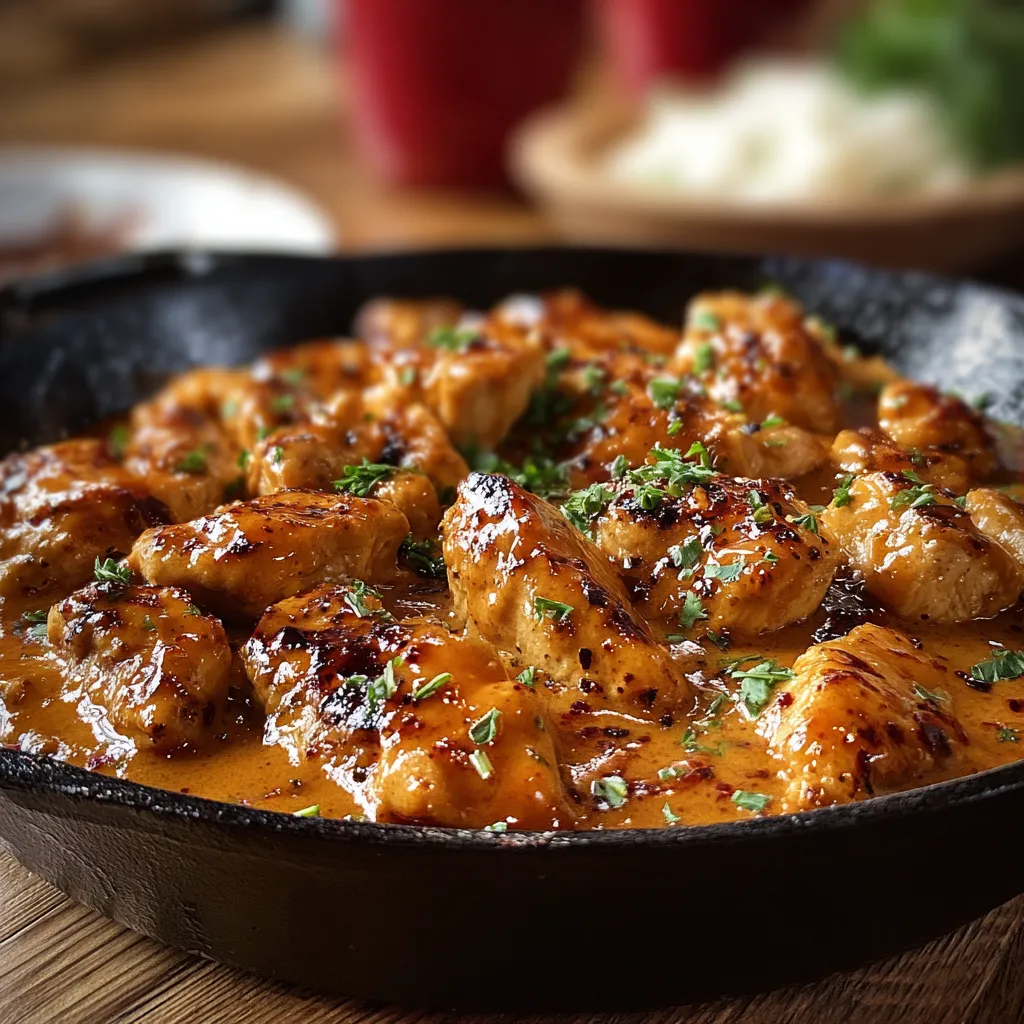
The magic behind the Texas Roadhouse Butter Chicken Skillet lies not just in the ingredients, but in the interplay of flavors and textures achieved through specific culinary techniques. We’re talking about the Maillard reaction, the art of building flavor layers, and the science of emulsion stability. First, the Maillard reaction, that browning process that occurs when amino acids and reducing sugars are heated, is crucial for developing a deep, savory base. Think about searing the chicken – it’s not just for color; it’s unlocking a whole new dimension of taste. Next, layering flavors. This isn’t just throwing spices into a sauce; it’s understanding how each spice complements and enhances the others. Think of it like an orchestra, each instrument playing a vital role in the overall harmony. Finally, emulsion stability. The creamy, buttery sauce needs to stay creamy and buttery, not separate into a greasy mess. This requires understanding the role of emulsifiers, like butter fat and, sometimes, a touch of cornstarch, in keeping everything beautifully combined. These three elements, working in concert, are the key to unlocking the Texas Roadhouse Butter Chicken Skillet at home.The Grand Recipe: Your Ticket to Flavor Town
Ingredients:
- For the Chicken:
- 1.5 lbs boneless, skinless chicken breasts, cut into 1-inch cubes
- 1 tbsp olive oil
- 1 tsp paprika
- 1/2 tsp garlic powder
- 1/2 tsp onion powder
- Salt and pepper to taste
- For the Butter Sauce:
- 4 tbsp butter, unsalted
- 1 small yellow onion, finely chopped
- 2 cloves garlic, minced
- 1 tbsp ginger, grated
- 1 (14.5 oz) can diced tomatoes, undrained
- 1/2 cup heavy cream
- 1/4 cup tomato paste
- 1 tbsp garam masala
- 1 tsp turmeric powder
- 1/2 tsp chili powder (optional, for heat)
- 1/4 cup chopped fresh cilantro, for garnish
- Salt and pepper to taste
- For Serving:
- Cooked rice or naan bread
Instructions:
- Prepare the Chicken: In a bowl, toss the chicken cubes with olive oil, paprika, garlic powder, onion powder, salt, and pepper.
- Sear the Chicken: Heat a large skillet over medium-high heat. Add the seasoned chicken and cook until browned on all sides and cooked through, about 5-7 minutes. Remove the chicken from the skillet and set aside.
- Sauté Aromatics: In the same skillet, melt the butter over medium heat. Add the chopped onion and cook until softened and translucent, about 5 minutes. Add the minced garlic and grated ginger and cook for another minute until fragrant.
- Build the Sauce: Stir in the diced tomatoes (with their juice), heavy cream, tomato paste, garam masala, turmeric powder, and chili powder (if using). Season with salt and pepper to taste. Bring the sauce to a simmer.
- Combine and Simmer: Return the cooked chicken to the skillet with the sauce. Stir well to coat the chicken. Reduce the heat to low, cover, and simmer for 10-15 minutes, allowing the flavors to meld together.
- Garnish and Serve: Garnish with fresh cilantro before serving. Serve hot over cooked rice or with naan bread.
The Culinary Case File: My Journey to Skillet Nirvana
The Initial Descent into Butter Chicken Chaos
My first few attempts were a disaster. I’m not exaggerating. I’d end up with either a watery, bland sauce or a greasy, separated mess. Like many of you, I initially thought it was just a matter of throwing ingredients together. My first attempt used pre-cut, frozen chicken (big mistake!). The chicken released too much water, diluting the sauce. The sauce itself was an abomination – a weird, sour concoction that tasted vaguely of tomatoes and regret.The Garam Masala Gauntlet
Another major hurdle was the garam masala. I’d either use too much, resulting in an overpowering, almost medicinal flavor, or too little, leaving the sauce flat and lifeless. Then, I had an “Aha!” moment after reading up on the composition of garam masala. It’s not just one spice; it’s a blend, and the freshness of that blend is critical. Stale garam masala is a flavor killer.The Dairy Dilemma: Cream vs. Half-and-Half
The dairy component was another source of frustration. Initially, I tried using half-and-half to save on calories. Huge mistake! The lower fat content meant the sauce never achieved that luscious, creamy texture. It was thin and watery, and the flavors didn’t properly emulsify. Switching to heavy cream was a game-changer. The higher fat content created a rich, velvety sauce that clung beautifully to the chicken.The Tomato Tussle: Fresh vs. Canned
I even experimented with fresh tomatoes versus canned. While fresh tomatoes offer a brighter, fresher flavor, they also contain more water, which can again dilute the sauce. Canned diced tomatoes, especially the fire-roasted variety, offer a concentrated tomato flavor that works perfectly in this dish. Plus, they’re more convenient.The Cilantro Conundrum: To Stem or Not to Stem?
Finally, the cilantro. I initially used only the leaves, discarding the stems. However, I discovered that the stems contain a surprising amount of flavor. Finely chopping the stems and adding them to the sauce along with the leaves added a subtle herbaceousness that elevated the dish.The Foolproof Formula: Cracking the Skillet Code
Here’s the definitive, no-fail method for achieving Texas Roadhouse Butter Chicken Skillet perfection:- Start with Quality Chicken: Use fresh, boneless, skinless chicken breasts and cut them into uniform 1-inch cubes for even cooking. Avoid frozen chicken.
- Don’t Skimp on the Butter: Use real butter, unsalted, for the richest flavor. Margarine or butter substitutes will not provide the same result.
- Bloom the Spices: Sauté the garlic and ginger in butter to release their essential oils and maximize their flavor.
- Simmer, Don’t Boil: Bring the sauce to a gentle simmer and allow it to reduce and thicken. Avoid boiling, which can cause the sauce to separate.
- Taste and Adjust: Taste the sauce throughout the cooking process and adjust the seasoning as needed. Add more salt, pepper, or garam masala to suit your preference.
- Garnish Generously: Don’t be shy with the fresh cilantro. It adds a burst of freshness and complements the rich, creamy sauce.
- Serve Hot: Serve the butter chicken skillet hot over cooked rice or with warm naan bread for the ultimate comfort food experience.
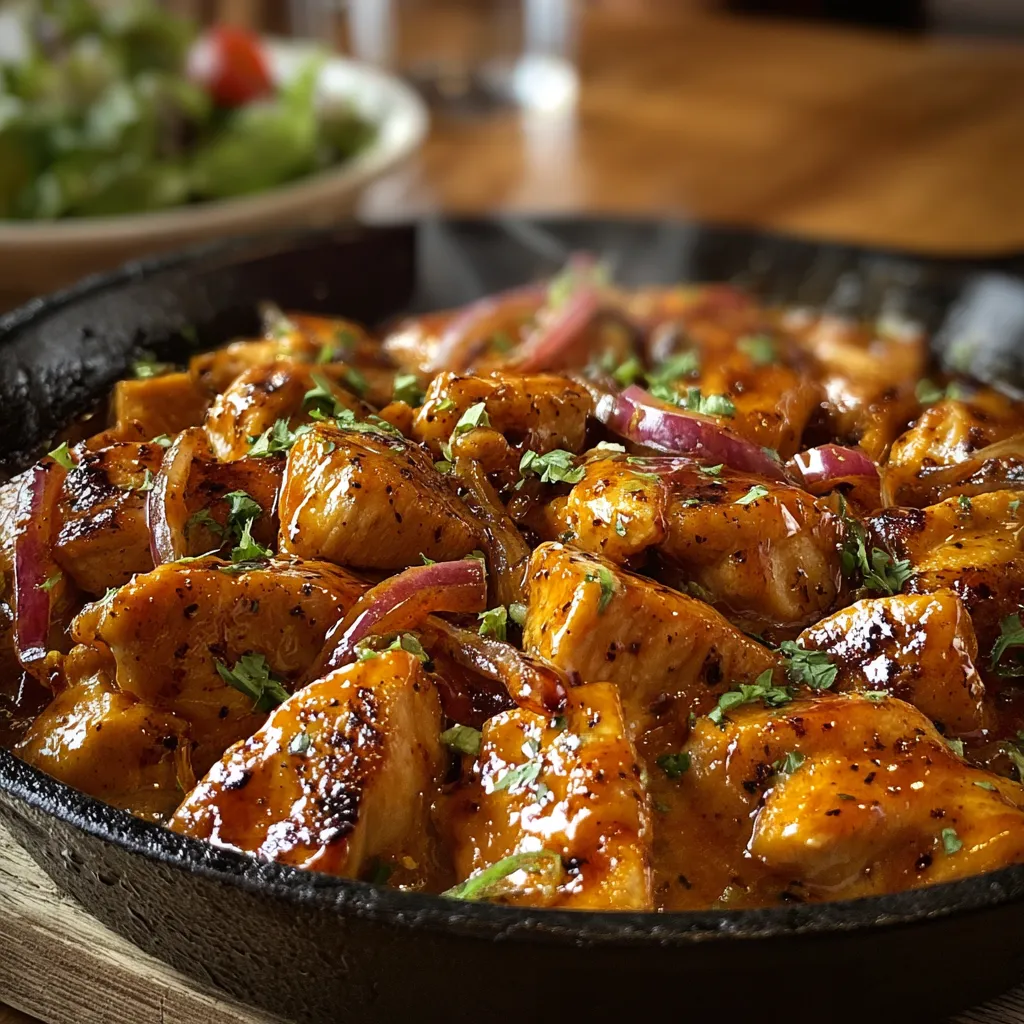
Texas Roadhouse Butter Chicken Skillet
Recreate the flavors of Texas Roadhouse with this easy and perfect Butter Chicken Skillet recipe. Tender chicken is simmered in a rich and creamy tomato-based sauce, infused with aromatic spices, and served over rice or naan bread for a satisfying and flavorful meal.
Ingredients
Equipment
Method
- Prepare the Chicken: In a bowl, toss the chicken cubes with olive oil, paprika, garlic powder, onion powder, salt, and pepper.
- Sear the Chicken: Heat a large skillet over medium-high heat. Add the seasoned chicken and cook until browned on all sides and cooked through, about 5-7 minutes. Remove the chicken from the skillet and set aside.
- Sauté Aromatics: In the same skillet, melt the butter over medium heat. Add the chopped onion and cook until softened and translucent, about 5 minutes. Add the minced garlic and grated ginger and cook for another minute until fragrant.
- Build the Sauce: Stir in the diced tomatoes (with their juice), heavy cream, tomato paste, garam masala, turmeric powder, and chili powder (if using). Season with salt and pepper to taste. Bring the sauce to a simmer.
- Combine and Simmer: Return the cooked chicken to the skillet with the sauce. Stir well to coat the chicken. Reduce the heat to low, cover, and simmer for 10-15 minutes, allowing the flavors to meld together.
- Garnish and Serve: Garnish with fresh cilantro before serving. Serve hot over cooked rice or with naan bread.
Notes
For best results, use fresh, high-quality ingredients. Taste the sauce throughout the cooking process and adjust the seasoning as needed. For a richer flavor, use fire-roasted diced tomatoes. Leftovers can be stored in an airtight container in the refrigerator for up to 3 days. Reheat gently on the stovetop or in the microwave.