
Unlocking the Flavor Code: The Science Behind the Sizzle
To truly master Italian Chicken Mozzarella Pasta, we need to delve into the science of flavor layering and texture. This isn’t just about throwing ingredients together; it’s about understanding how they interact. Firstly, the Maillard reaction: this is the browning process that occurs when amino acids and reducing sugars are heated, creating hundreds of flavor compounds. This is crucial for developing a rich, savory crust on the chicken. Secondly, acidity is key. A touch of acidity from tomatoes, balsamic vinegar, or even lemon juice brightens the dish and cuts through the richness of the cheese and olive oil. Finally, emulsification. A stable emulsion of olive oil and tomato sauce creates a velvety texture that coats the pasta beautifully, ensuring every bite is bursting with flavor. Neglecting any of these elements will result in a bland, one-dimensional dish.The Ultimate Italian Chicken Mozzarella Pasta Recipe
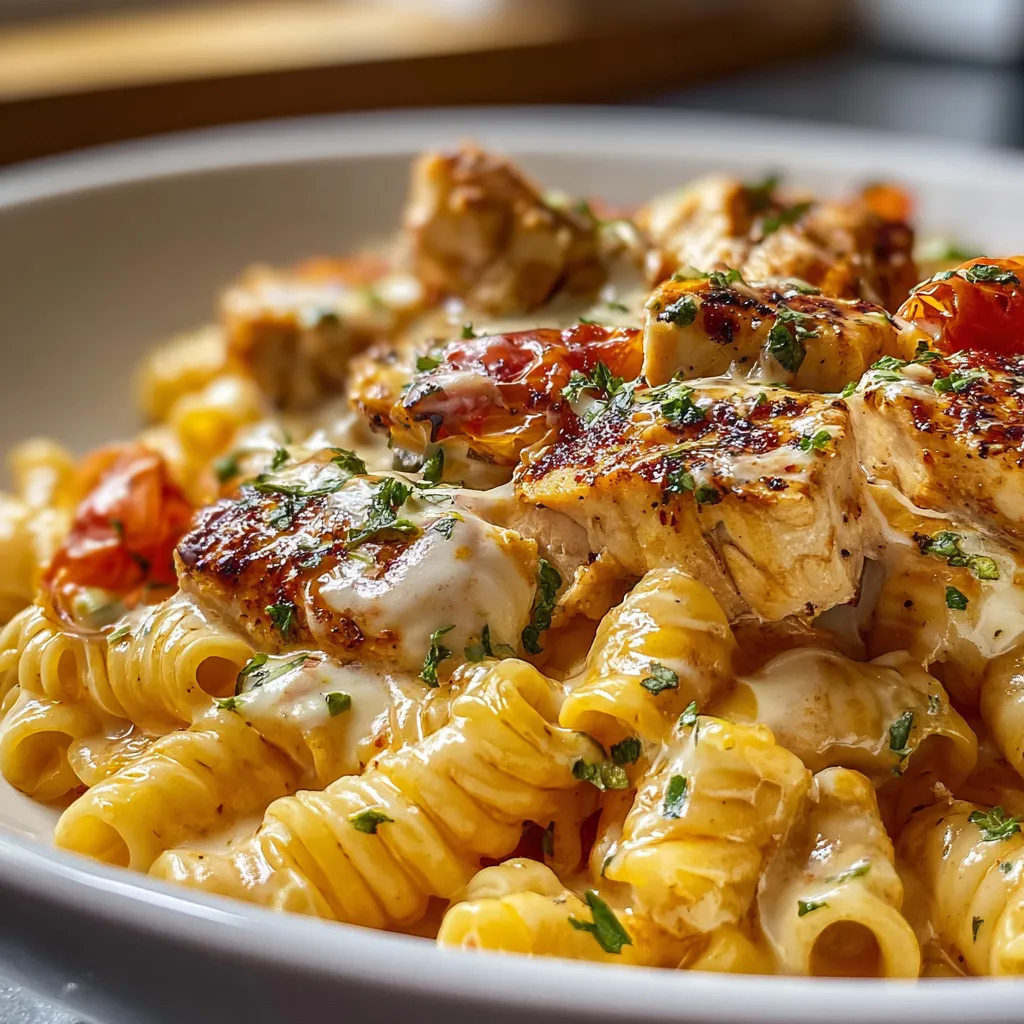
Ingredients:
- Chicken: 2 boneless, skinless chicken breasts (about 6 oz each)
- Pasta: 1 pound pasta (penne, rotini, or farfalle work well)
- Mozzarella: 8 ounces fresh mozzarella, sliced
- Tomato Sauce: 24 ounces jarred marinara sauce (high-quality recommended)
- Garlic: 4 cloves, minced
- Onion: 1 medium, chopped
- Olive Oil: 3 tablespoons
- Balsamic Vinegar: 1 tablespoon
- Dried Oregano: 1 teaspoon
- Dried Basil: 1 teaspoon
- Red Pepper Flakes: 1/4 teaspoon (optional)
- Salt and Pepper: To taste
- Fresh Basil: For garnish
Instructions:
- Prepare the Chicken: Pound chicken breasts to an even thickness (about 1/2 inch). Season generously with salt, pepper, dried oregano, and dried basil.
- Sear the Chicken: Heat 2 tablespoons of olive oil in a large skillet over medium-high heat. Sear the chicken breasts for 4-5 minutes per side, until golden brown and cooked through. Remove chicken from skillet and set aside to rest.
- Sauté Aromatics: Add the remaining 1 tablespoon of olive oil to the skillet. Add the chopped onion and cook until softened, about 5 minutes. Add the minced garlic and red pepper flakes (if using) and cook for 1 minute more, until fragrant.
- Simmer the Sauce: Pour in the marinara sauce and balsamic vinegar. Bring to a simmer and cook for 10 minutes, stirring occasionally. Season with salt and pepper to taste.
- Cook the Pasta: While the sauce simmers, cook the pasta according to package directions. Reserve about 1 cup of pasta water before draining.
- Combine and Finish: Slice the cooked chicken breasts. Add the cooked pasta to the skillet with the sauce. Toss to coat, adding pasta water as needed to create a creamy sauce.
- Add Mozzarella and Chicken: Top with sliced mozzarella and sliced chicken. Cover the skillet and cook for 2-3 minutes, or until the mozzarella is melted and gooey.
- Garnish and Serve: Garnish with fresh basil and serve immediately.
My Chicken Mozzarella Pasta Odyssey: From Failure to Flavor Nirvana
The Initial Stumbles: A Bland Beginning
My first few attempts were a disaster, I’ll admit. The chicken was bland, the sauce was watery, and the mozzarella just sat on top like sad, melted blobs. Like many of you, I initially thought it was just a matter of throwing everything together and hoping for the best. My biggest mistake? I wasn’t building flavor in layers. I wasn’t paying attention to the order of operations, or the crucial role of seasoning.The “Aha!” Moment: Embracing the Maillard Reaction
Then, I had an “Aha!” moment. I realized the importance of searing the chicken properly. By pounding the chicken to an even thickness and searing it over high heat, I created a beautiful golden-brown crust, packed with flavor. This one step alone elevated the entire dish. I also experimented with different marinades for the chicken, but found that simple salt, pepper, and dried herbs worked best, allowing the chicken’s natural flavor to shine through while complementing the sauce.The Sauce Revelation: Acidity is Key
Next, I tackled the sauce. It was consistently lacking that certain “something.” I tried adding more garlic, more herbs, more everything! But it still tasted flat. Then, I read about the importance of acidity in balancing rich flavors. I started adding a splash of balsamic vinegar to the sauce, and it made all the difference. The acidity cut through the richness of the cheese and olive oil, creating a more complex and balanced flavor profile. A squeeze of lemon juice also works wonders.The Cheese Conundrum: Fresh is Best
Finally, the mozzarella. Pre-shredded mozzarella simply wouldn’t do. It lacked the creamy, melty texture I was after. Switching to fresh mozzarella, sliced just before adding it to the dish, made a huge difference. The fresh mozzarella melted beautifully, creating a luscious, gooey topping that perfectly complemented the chicken and sauce.The Foolproof Method: A Culinary Blueprint
Here’s the breakdown of the technique, so you can create perfect Italian Chicken Mozzarella Pasta every time:- Pound and Season the Chicken: Ensure even cooking and maximum flavor absorption.
- Sear the Chicken Hot and Fast: Develop that crucial Maillard reaction for a rich, savory crust.
- Sauté Aromatics in Stages: Onions first, then garlic, to prevent burning and maximize flavor.
- Simmer the Sauce with Acidity: Allow the flavors to meld and balance. Balsamic vinegar or lemon juice are your friends.
- Reserve Pasta Water: Use it to create a creamy, emulsified sauce.
- Use Fresh Mozzarella: It melts better and tastes infinitely better.
- Melt the Cheese Under Cover: Trap the heat for optimal melting and gooeyness.
- Garnish Generously: Fresh basil adds a pop of freshness and visual appeal.
Why is searing the chicken so important in this recipe?
Searing the chicken is crucial because it creates the Maillard reaction, a browning process that develops a rich, savory crust packed with flavor. This step significantly elevates the entire dish.
What’s the purpose of adding balsamic vinegar to the tomato sauce?
Adding balsamic vinegar (or lemon juice) to the tomato sauce introduces acidity, which helps to balance the richness of the cheese and olive oil, creating a more complex and balanced flavor profile.
Why does the recipe recommend using fresh mozzarella instead of pre-shredded?
Fresh mozzarella melts better and has a creamier texture compared to pre-shredded mozzarella. This results in a more luscious and gooey topping that complements the chicken and sauce perfectly.
Why is reserving pasta water important?
Reserving pasta water is important because it can be added to the sauce to create a creamy, emulsified sauce that coats the pasta beautifully.
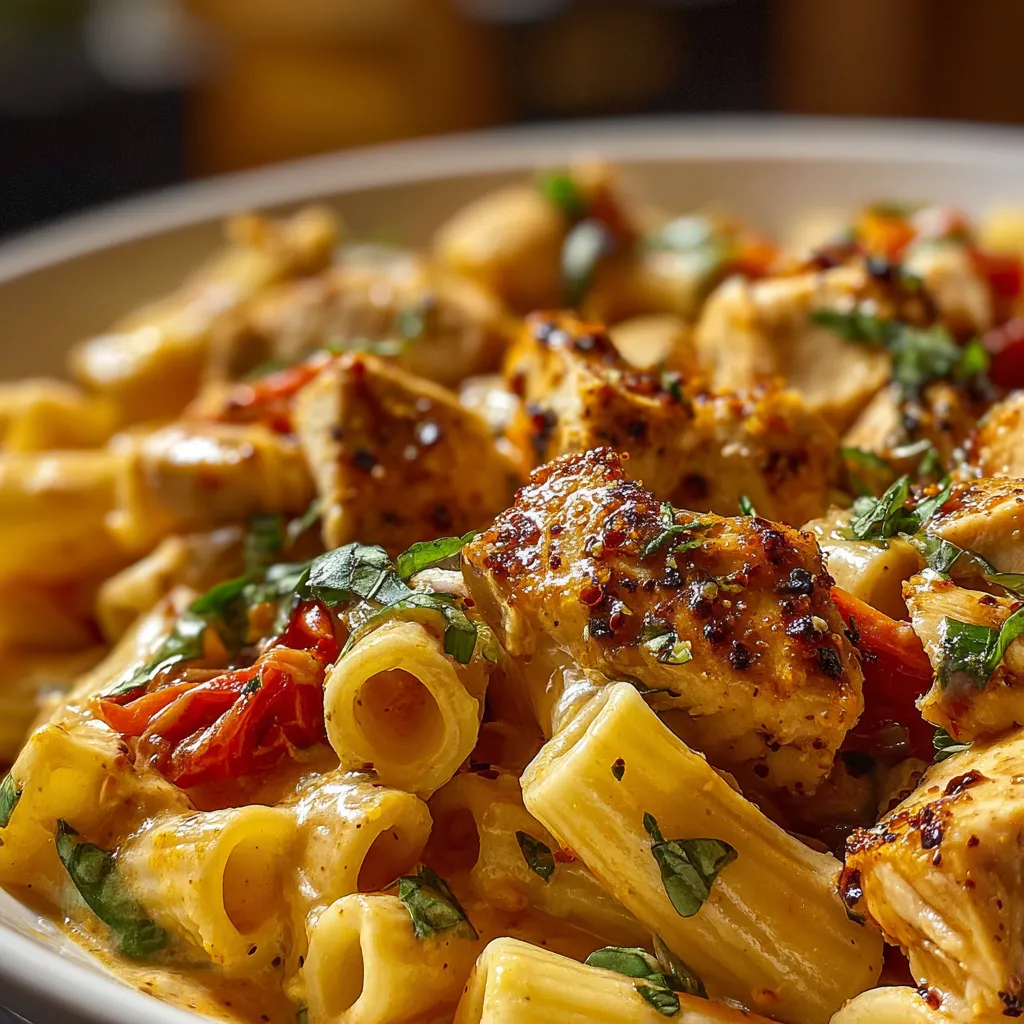
Best Italian Chicken Mozzarella Pasta
This Italian Chicken Mozzarella Pasta recipe elevates a classic comfort food by focusing on flavor layering and texture. It emphasizes searing the chicken, creating a balanced sauce with acidity, and using fresh mozzarella for a truly memorable dish.
Ingredients
Equipment
Method
- Prepare the Chicken: Pound chicken breasts to an even thickness (about 1/2 inch). Season generously with salt, pepper, dried oregano, and dried basil.
- Sear the Chicken: Heat 2 tablespoons of olive oil in a large skillet over medium-high heat. Sear the chicken breasts for 4-5 minutes per side, until golden brown and cooked through. Remove chicken from skillet and set aside to rest.
- Sauté Aromatics: Add the remaining 1 tablespoon of olive oil to the skillet. Add the chopped onion and cook until softened, about 5 minutes. Add the minced garlic and red pepper flakes (if using) and cook for 1 minute more, until fragrant.
- Simmer the Sauce: Pour in the marinara sauce and balsamic vinegar. Bring to a simmer and cook for 10 minutes, stirring occasionally. Season with salt and pepper to taste.
- Cook the Pasta: While the sauce simmers, cook the pasta according to package directions. Reserve about 1 cup of pasta water before draining.
- Combine and Finish: Slice the cooked chicken breasts. Add the cooked pasta to the skillet with the sauce. Toss to coat, adding pasta water as needed to create a creamy sauce.
- Add Mozzarella and Chicken: Top with sliced mozzarella and sliced chicken. Cover the skillet and cook for 2-3 minutes, or until the mozzarella is melted and gooey.
- Garnish and Serve: Garnish with fresh basil and serve immediately.
Notes
For a richer flavor, marinate the chicken in Italian dressing for 30 minutes before searing. You can substitute the balsamic vinegar with a squeeze of lemon juice for a brighter flavor. Store leftovers in an airtight container in the refrigerator for up to 3 days.